
My Experience With Cow’s Milk as a Practicing Veterinarian
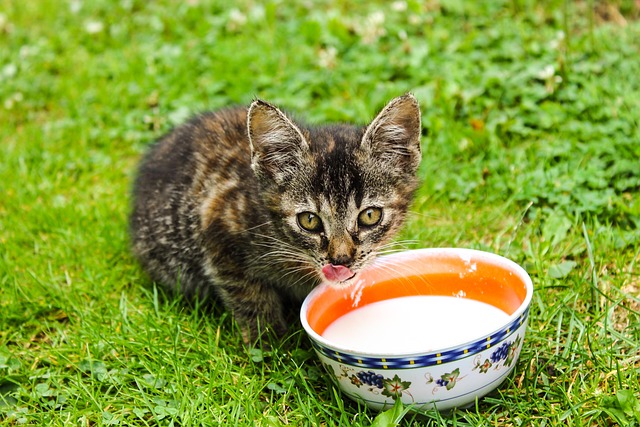
I’ve been a small-animal veterinarian for over a decade, and if there’s one image that refuses to die, it’s the bowl of milk placed lovingly in front of a cat. I still see it weekly in my clinic. A client smiles and says, “He loves milk,” usually right before telling me about diarrhea, gas, or a cat that suddenly won’t use the litter box.
I’ve been a small-animal veterinarian for over a decade, and I want to help you understand how cow’s milk can affect your cat’s health, especially since many enjoy it despite potential issues.
The short answer is this: most cats cannot properly digest cow’s milk, even though many enjoy the taste. The longer answer is where things get interesting—and where real-world cases matter.
Why Cats Struggle With Cow’s Milk
Cats are mammals, so they’re born able to digest milk. Kittens produce an enzyme called lactase, which allows them to break down lactose—the natural sugar in milk. That ability fades as they grow.
By adulthood, most cats produce little to no lactase, making cow’s milk difficult to digest and potentially causing diarrhea, cramping, and gas, which can harm their health.
I remember a middle-aged indoor cat whose owner was convinced he had “sudden food allergies.” The cat had intermittent diarrhea for months. Bloodwork was normal. Parasite tests were clean. Only after a long conversation did the owner casually mention giving him a saucer of cow’s milk most evenings because “he cries for it.” When the milk stopped, the symptoms disappeared within days.
That scenario isn’t rare. It’s common.
“But My Cat Drinks Milk and Seems Fine”
I hear this argument a lot, and sometimes it’s true—at least on the surface. Some cats tolerate small amounts of cow’s milk without apparent symptoms. Others don’t show immediate reactions but develop subtle issues over time: softer stools, occasional vomiting, or a finicky appetite.
One case that sticks with me involved an older cat that had slowly lost weight over the course of a year. Nothing dramatic, just enough to worry the owner. It turned out the cat was drinking milk multiple times a day and eating less balanced food. The milk wasn’t poisoning him, but it was displacing proper nutrition and irritating his digestion just enough to matter.
Tolerance isn’t the same as suitability. I’ve found that even cats who “handle it fine” do better overall once milk is removed from their routine.
Cow’s Milk vs. What Cats Actually Need
Cow’s milk is designed for calves. It’s higher in lactose and lower in the specific proteins and fats cats evolved to process. Cats are obligate carnivores. Their digestive systems are built for meat, moisture, and animal-based nutrients—not dairy sugars.
Another issue I see is fat content. Whole milk can be surprisingly rich, and I’ve seen it trigger vomiting or pancreatitis flare-ups in cats with sensitive systems. Owners rarely connect the dots because milk feels harmless and familiar.
In my professional opinion, choosing not to give cow’s milk to adult cats is a responsible decision that supports their overall health and well-being, even if they seem to enjoy it.
What About Lactose-Free Milk or “Cat Milk”?
That is where nuance matters. Lactose-free milk removes the primary problem sugar, so it’s generally easier on a cat’s stomach. Commercial “cat milk” products are formulated with reduced lactose and adjusted nutrients.
I don’t routinely recommend these, but I also don’t panic if an owner uses them occasionally as a treat. The keyword is occasionally. They shouldn’t replace water or become a daily habit.
I’ve seen owners use cat milk successfully during stressful periods—after a move, for example—to encourage hydration. Used sparingly and intentionally, it’s far less problematic than cow’s milk.
Common Mistakes I See Owners Make
One mistake is assuming diarrhea after milk is a one-off coincidence. Another is thinking dilution helps—watering down cow’s milk doesn’t remove lactose, it just spreads the problem out.
Many owners mistakenly give milk to elderly or sick cats, believing it’s gentle, but these cats often have reduced tolerance, making milk more harmful as they age.
Perhaps the most common mistake is giving milk because the cat asks for it. Cats ask for many things that aren’t good for them. That’s not judgment—it’s biology.
My Practical Recommendation
After years in exam rooms and litter box discussions, I want to reassure you that water and a balanced diet are the best choices to keep your cat healthy and hydrated.
If an owner really wants to offer a milk-like treat, a small amount of lactose-free or cat-specific milk on rare occasions is the least risky path. But even then, I advise watching the litter box closely. Cats are excellent at hiding discomfort, but their digestion tells the truth.
I’ve seen too many cats feel better once milk was removed to consider it harmless nostalgia. Cats don’t need it, and most of them don’t digest it well—no matter how convincing that hopeful stare might be.