
What’s Inside a Vet’s Mind
I’ve been practicing small-animal veterinary medicine in Texas for over a decade, and a good portion of my day still revolves around one deceptively simple question from dog owners: “Is this food actually good?” Orijen comes up often, usually from clients who have already read the label and want a professional opinion rather than marketing reassurance.
I’ve fed it to my own dogs at different points, recommended it in specific cases, and also advised against it when the situation called for something else. Ingredients matter, but how they work in real dogs matters more.
My first hands-on impression of Orijen
The first time I paid close attention to Orijen wasn’t during a consult. It was years ago, after a working dog belonging to a ranch client started shedding muscle during a particularly hot summer. We adjusted workload and hydration, but nutrition was the missing piece.
Orijen stood out for its heavy reliance on animal-based ingredients rather than fillers. Within a couple of months, the dog regained condition without the digestive issues we’d run into with other high-protein foods. That experience stuck with me and pushed me to examine the ingredient list more critically, not just read it.
Animal protein: what Orijen does differently
Orijen’s defining feature is its reliance on animal protein as the foundation of the formula. Fresh or raw chicken, turkey, fish, and eggs typically make up the first several ingredients. From a veterinary nutrition standpoint, that matters because dogs utilize animal proteins more efficiently than plant proteins.
I’ve seen this play out clinically. A middle-aged Labrador I treated last spring had persistent loose stools on a grain-heavy diet that looked “balanced” on paper. Switching to Orijen didn’t magically cure him, but within weeks, his stool quality improved, and his coat regained the shine it had lost. That told me his system responded better to the protein sources than to the crude protein percentage alone.
What I appreciate is that Orijen doesn’t rely on unnamed meat meals. When a label says “chicken” or “turkey,” that transparency helps me assess quality more confidently.
Organ meats and cartilage: overlooked but valuable
One detail many owners gloss over is the inclusion of organ meats like liver and heart, along with cartilage and bone. These aren’t filler ingredients. In practice, they provide naturally occurring vitamins, minerals, and joint-supporting compounds.
I’ve treated aging dogs with early joint stiffness whose owners assumed supplements were the only option. While supplements can help, diets like Orijen, which include cartilage and connective tissue, offer a baseline support closer to how dogs evolved to eat. I’ve noticed fewer complaints about stiffness in active dogs maintained on these formulas, particularly when started before arthritis becomes advanced.
Carbohydrates: limited, but not absent
Orijen isn’t carb-free, and that’s a good thing. Dogs still need carbohydrates for energy and fiber. The difference is the source. Instead of corn or wheat, you’ll find lentils, chickpeas, peas, and pumpkin.
I’ve had mixed reactions here, depending on the dog. For many, these ingredients support steady energy and digestion. For a small subset, particularly dogs with legume sensitivities, they can cause gas or mild bloating. I remember a nervous little terrier whose owner insisted on Orijen despite repeated GI upset. Once we switched to a simpler protein diet, the issue resolved. That wasn’t Orijen being “bad,” it was the wrong match for that dog.
Fat sources and why they matter
Fat is often misunderstood. Orijen uses chicken fat and fish oils as its primary fat sources, providing omega-3 and omega-6 fatty acids. Clinically, I see the benefits most clearly in skin and coat health.
One of my own dogs developed seasonal itching that didn’t fully respond to antihistamines. After transitioning to an Orijen formula rich in fish oils, the flare-ups became noticeably milder. That’s not a miracle cure, but it reflects the role fats play in managing inflammation over time.
Whole prey philosophy: practical implications
Orijen promotes a “whole prey” approach, meaning muscle meat, organs, and bone are included in ratios intended to mimic natural diets. From a veterinary perspective, this reduces reliance on synthetic vitamin packs.
I tend to favor this approach when I’m dealing with dogs that don’t tolerate heavily fortified foods well. I’ve seen fewer cases of excess vitamin-related issues, such as brittle nails or flaky skin, when whole-food nutrients are emphasized rather than isolated additives.
Ingredients that raise questions
No food is perfect. Orijen’s high protein content can be too much for dogs with kidney disease or certain metabolic conditions. I’ve had to steer clients away from it in those cases, despite their enthusiasm.
There’s also the ongoing discussion around grain-free diets and heart health. While Orijen includes taurine-rich ingredients like organ meats, I still monitor dogs on it closely, especially larger breeds. I’ve referred more than one patient for cardiac screening simply because I prefer caution over assumptions.
Common mistakes I see owners make
The biggest mistake is switching too fast. Orijen is nutrient-dense, and abrupt transitions often lead to vomiting or diarrhea. I always advise a slow introduction over ten days or more.
Another issue is portion control. Because the food is calorie-rich, feeding the same volume as a lower-quality kibble can lead to weight gain. I’ve seen owners blame the food when the real problem was overfeeding.
Who I recommend Orijen for — and who I don’t
In my practice, Orijen works well for active dogs, working breeds, and pets with higher protein needs. I’m comfortable recommending it for healthy adult dogs without underlying kidney or heart concerns.
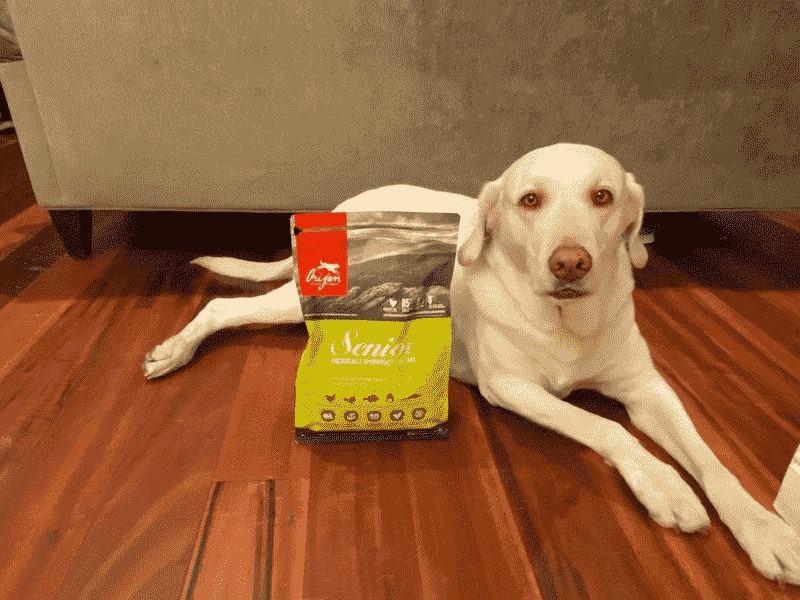
I hesitate with seniors who have declining organ function or dogs with known sensitivities to legumes. In those cases, a tailored diet often produces better outcomes.
Final thoughts from the exam room
After years of seeing dogs thrive, struggle, or plateau on different diets, I view Orijen as a powerful tool rather than a universal solution. Its ingredient list reflects thoughtful sourcing and a clear philosophy, but real-world results depend on the dog in front of me.
When owners ask if Orijen is “worth it,” my answer is usually nuanced. For the right dog, it can support muscle tone, coat quality, and overall vitality, as I’ve observed firsthand. For others, it’s simply too much. Nutrition isn’t about chasing the most impressive label; it’s about matching ingredients to individual needs, something no bag can do on its own.