
I’m a licensed veterinarian practicing in Texas, and I spend a surprising amount of my week talking about smells that have nothing to do with exam rooms. Dog smell in cars comes up constantly—usually from clients who love their dogs, take them everywhere, and suddenly realize their vehicle smells like a damp kennel after a hot day.
I deal with this problem personally, too. My own Labrador rides with me to weekend trailheads and occasionally to the clinic. Texas heat, dog hair, and a little drool are a perfect recipe for dog odor that doesn’t disappear just because you cracked the windows.
Why does dog smell stick around longer than people expect
Most people assume the smell is just “dog.” In reality, it’s a mix of skin oils, saliva, bacteria, and whatever the dog last rolled in or stepped on. I’ve learned this the hard way. A client, in the previous spring, swore her car smelled worse after she shampooed the seats. She wasn’t wrong. Moisture woke up bacteria deep in the upholstery, and the smell intensified a day later.
That’s the first mistake I see over and over: cleaning without thoroughly drying. Odor thrives in damp fabric.
Start by removing what you can actually see.
Before any sprays or cleaners come out, I strip the car down. Seat covers, blankets, harnesses—everything removable goes out. One time, after a long road trip with my dog, I skipped this step and focused only on the seats. The smell lingered until I finally washed the seat cover, and I thought it was “fine.” It wasn’t.
I wash removable items with regular detergent and add baking soda directly into the drum. I avoid heavy fragrance boosters. In my experience, strong scents mix with dog odor instead of replacing it, creating something even more unpleasant once the perfume fades.
Vacuuming matters more than people think.
Dog hair holds odor. It traps oils and dander close to fabric fibers. I use a stiff brush attachment and take my time, especially in seams and between seat cushions. A detailer once showed me how much hair can be packed into those gaps. Ever since, I haven’t rushed this step.
If you’ve ever cleaned thoroughly and still smelled dog afterward, there’s a good chance hair was left behind.
Enzyme cleaners are not optional.
As a vet, I use enzyme cleaners daily to clean up accidents in clinics and boarding areas. They work because they break down organic material, causing the smell rather than covering it up.
For cars, I lightly mist the fabric seats and carpets with enzyme cleaner. Not soak—mist. Oversaturating is another standard error I see. A client once used half a bottle on her back seat and then closed the car overnight. The next day, it smelled like wet dog and mildew combined.
After applying enzymes, I leave doors open or run fans if I’m in the garage. Complete drying is non-negotiable.
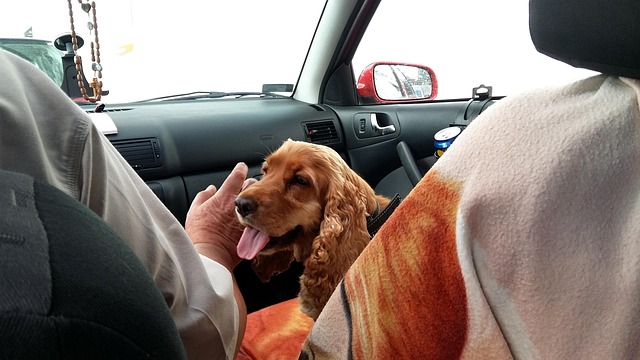
Leather seats need a different approach.
Leather doesn’t absorb odor the same way fabric does, but it can still hold onto oils. I wipe leather with a gentle, unscented cleaner, then follow with a conditioner. Skipping conditioning can leave leather dry and porous, making future smells harder to remove.
One of my regular clients transports working dogs in a leather-interior SUV. He learned this after months of fighting recurring odor, only after we adequately addressed the leather.
Don’t forget the air system.
This is the part most people miss. If your dog rides in the car often, hair and odor particles end up in the cabin air filter. I replace mine more often than the manufacturer suggests. It’s inexpensive and makes a noticeable difference.
I also run the air on full blast for a few minutes after cleaning, with the windows down. It helps push lingering smells out instead of redistributing them later.
What I actively avoid
I don’t use ozone machines in personal vehicles. I’ve seen them irritate dogs’ airways when misused, and they can degrade interior materials over time. I also avoid heavy perfumes and smoke-based odor “bombs.” They mask smells temporarily, then fade, leaving the original problem untouched.
Keeping the smell from coming back
The most significant change I made years ago was simple: I kept a washable blanket in the back seat specifically for my dog. After muddy or sweaty outings, it goes straight into the wash. That one habit has saved me countless hours of deep cleaning.
Regular grooming helps, too. I can tell when a dog hasn’t been bathed in a while because the car smell appears faster and sticks longer. Healthy skin and coat make a real difference.
A dog’s smell in a car isn’t a sign you’re doing something wrong as a pet owner. It’s just biology, heat, and fabric working together. With the right approach—and patience—you can remove it rather than endlessly chase it with air fresheners.