
As a licensed veterinarian practicing in Texas for over a decade, I’ve encountered a wide range of feline illnesses, from mild stomach upset to severe chronic conditions. Caring for a sick cat is never a passive task—you need to observe closely, act deliberately, and sometimes advocate for your pet in ways that even seasoned pet owners might overlook.
I remember one case last spring when a client brought in a five-year-old domestic shorthair who had stopped eating for nearly 48 hours. The cat was quiet, hiding in corners, and seemed unusually lethargic. The first thing I advised was to keep the cat in a calm, confined space with easy access to water and a litter box. In situations like these, familiar surroundings reduce stress, which is critical for recovery.
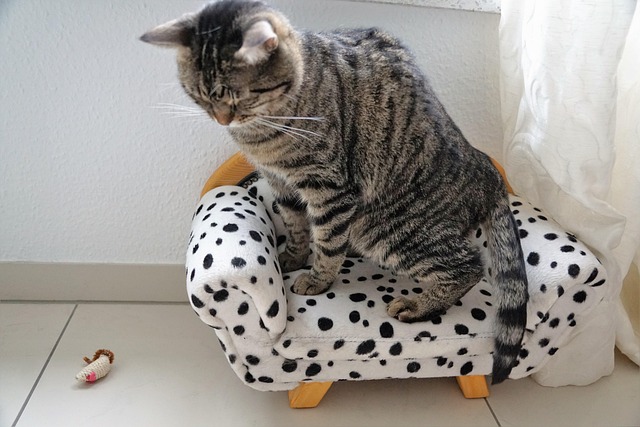
Observing Symptoms Closely
One mistake I often see cat owners make is assuming that cats will “bounce back” on their own. Cats are notorious for hiding discomfort, and subtle changes in behavior can signal serious problems. I always tell clients to pay attention to appetite, energy level, grooming habits, and litter box use.
For example, a cat that suddenly starts urinating outside the litter box may be experiencing a urinary tract infection or a kidney problem. In one case, a customer’s cat had mild vomiting and lethargy for several days. When examined, we found early-stage kidney disease that could have worsened without timely intervention.
Temperature monitoring can also be critical. Unlike dogs, cats can hide fever effectively, so if you notice shivering or warmth when you touch their ears or paws, a vet visit may be necessary. I keep a simple digital thermometer on hand in my clinic, and I recommend clients do the same at home if their cat seems off but is still approachable.
Feeding and Hydration
Cats often refuse food when they’re unwell, which can worsen their condition. I’ve had clients try to force-feed their cats with inappropriate foods, which sometimes causes more stress or digestive upset. I usually advise offering small, highly palatable meals, as wet food warmed slightly to enhance aroma.
In a memorable case, a six-year-old cat with a mild upper respiratory infection refused food for a day. We introduced a gentle chicken-based broth and small portions of soft wet food. Within hours, the cat began eating and drinking on its own, which helped speed recovery.
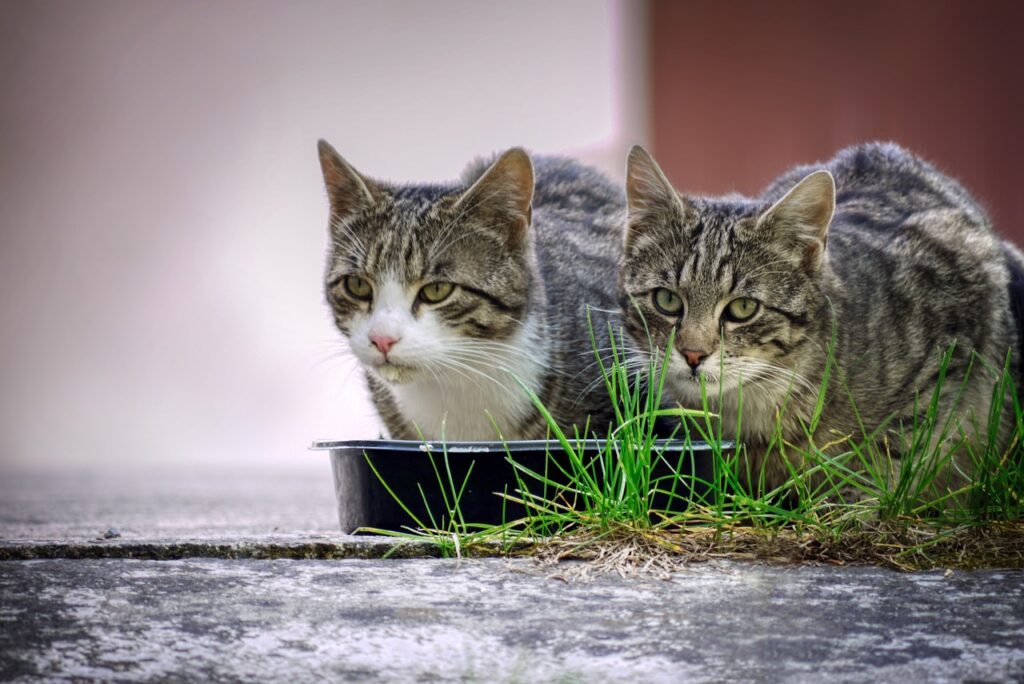
Hydration is equally important. Cats can become dehydrated quickly, particularly if they are vomiting or have diarrhea. One technique I’ve found effective is placing multiple shallow water dishes around the home and adding a little flavor, such as tuna water, to encourage drinking. For cats that refuse, subcutaneous fluids administered under veterinary supervision may be necessary.
Medications and Treatments
Administering medications to a sick cat can be challenging. I’ve seen clients give the wrong dosage or stop medication prematurely because the cat resists. When I prescribed antibiotics for a respiratory infection, I demonstrated how to wrap the cat gently in a towel to safely administer oral medication without causing injury. For many pet owners, learning this hands-on technique is far more effective than reading instructions.
Avoid giving human medications to cats without consulting a veterinarian. Even seemingly harmless drugs, like acetaminophen, can be fatal to cats. One case I encountered involved a client who had given over-the-counter cold medicine to a sneezing cat. Fortunately, we caught it early, but it could have been deadly.
Emotional Support and Comfort
Cats, like people, benefit from reassurance when they’re sick. I encourage clients to speak softly, pet gently, and maintain routine as much as possible. I recall a particularly anxious cat recovering from a minor surgery; we noticed that placing a worn blanket from home in the hospital recovery cage reduced stress and improved appetite. Small gestures like these often make a meaningful difference.
Knowing When to Seek Veterinary Care
Finally, it’s crucial to recognize when home care isn’t enough. Persistent vomiting, difficulty breathing, sudden lethargy, or severe changes in behavior require immediate attention. I’ve seen cats recover quickly with timely intervention, whereas delays sometimes allow preventable complications to develop.
Caring for a sick cat is a balance of careful observation, practical support, and professional guidance. By paying attention to subtle signs, providing comfort and hydration, and seeking timely medical advice, you can help your cat recover safely and more comfortably. Over my years in practice, I’ve found that the combination of vigilance, patience, and informed care consistently leads to the best outcomes for our feline companions.