
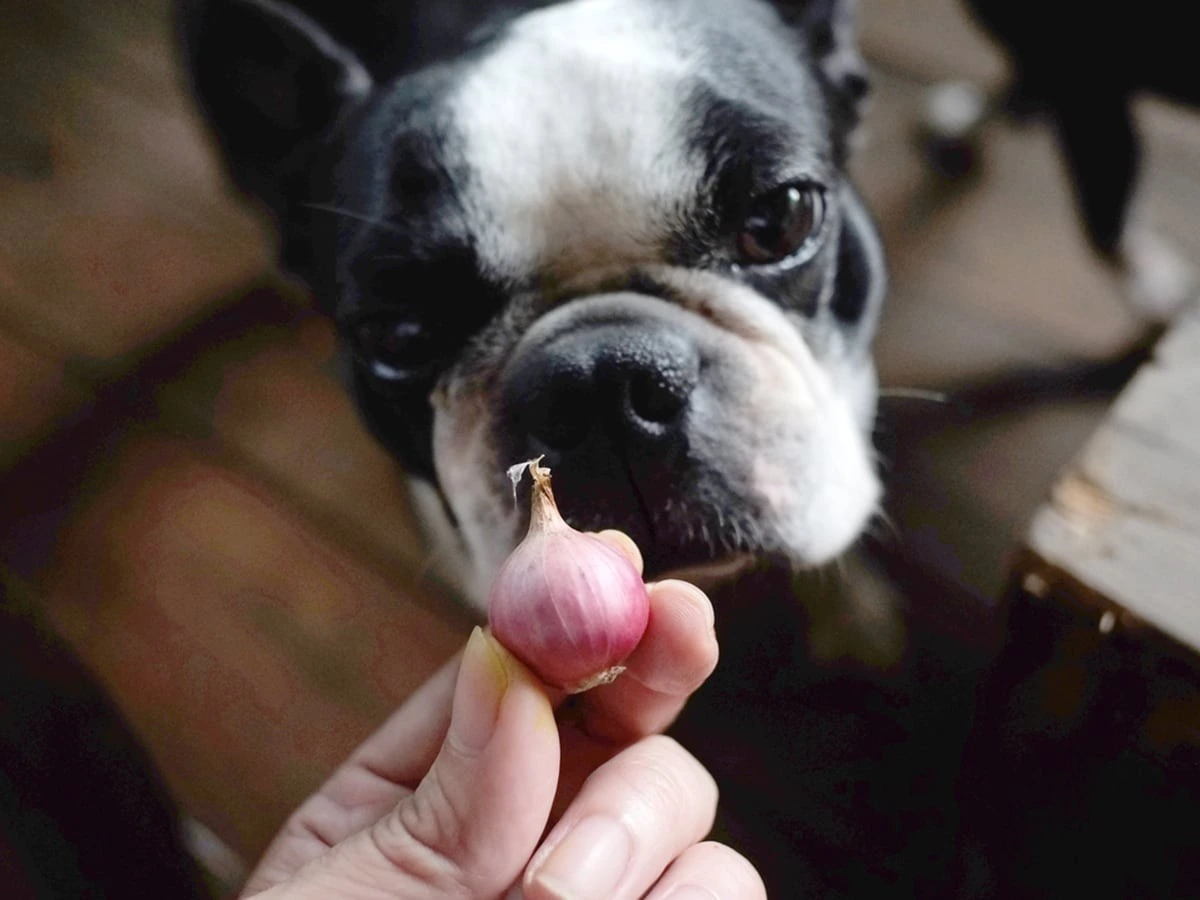
The smell of sautéed onions is one of the best parts of a Texas barbecue, but in my years as a licensed veterinarian practicing in the Hill Country, I’ve seen that same smell lead to some of the most stressful emergency room visits for pet owners. Onions, along with garlic, leeks, and chives, belong to the Allium family. While they are staples in our kitchens, they contain N-propyl disulfide, a compound that wreaks havoc on a dog’s red blood cells.
When a client calls me because their Labrador just vacuumed up a slice of fallen onion, the first thing I look for isn’t just the quantity, but the form. In my experience, concentrated forms are far more dangerous than a stray sliver of raw onion.
The Problem with Concentration
A common mistake I see involves “hidden” onions. I remember a case last fall where a beagle was brought in with pale gums and a racing heart. The owner was confused because they didn’t feed the dog any table scraps. After some digging, we realized the owner had been sharing a bit of store-bought rotisserie chicken every night. That chicken had been heavily seasoned with onion and garlic powder.
Powdered versions are significantly more potent than the fresh vegetable. If your dog eats a dish seasoned with onion powder, they are ingesting a concentrated dose of the toxin. The same applies to dehydrated onions found in soup mixes or the fried onions people top green bean casseroles with during the holidays.
Identifying the Reaction
The tricky part about onion toxicity is that it isn’t always immediate. If your dog eats a grape or a chocolate bar, the reaction is often swift. Onions, however, cause “Heinz body anemia.” The toxin essentially tricks the dog’s immune system into attacking its own red blood cells.
I’ve found that symptoms often peak three to five days after ingestion. You might see:
- Discolored urine: This is often the most striking sign. It can look like dark tea or even cola.
- Extreme lethargy: The dog isn’t just tired; they lack the oxygen transport needed to move across the room.
- Pale or yellowish gums: This indicates a lack of healthy red blood cells or jaundice, as the body tries to filter out damaged cells.
Immediate Steps and Clinical Realities
If you catch your dog in the act, your first move should be calling a vet to discuss inducing vomiting. This is a time-sensitive window. Once that onion moves into the small intestine, we lose the ability to physically remove it.
In my practice, if the ingestion was significant and happened within the last hour, I’ll typically use apomorphine to clear the stomach. However, I’ve had many owners try to “wait and see” at home. I generally advise against this if the dog is small or the amount was large. A Chihuahua eating a quarter of a red onion is a much higher risk than a Great Dane doing the same.
For cases that have progressed to anemia, the treatment becomes much more involved and expensive. I’ve managed several cases where the dog required a blood transfusion and multiple days of hospitalization on IV fluids and oxygen therapy. These situations often run into several thousand dollars, a cost that could have been avoided with a quick trip for induced vomiting early on.
The Cumulative Effect
One thing I wish more owners understood is that onion toxicity can be cumulative. Small amounts of onion fed over several days can be just as damaging as one large dose. I once treated a senior dog whose owner gave him a “tiny” bite of their onion-heavy omelet every single morning. Over a week, the dog’s red blood cell count plummeted because the body couldn’t regenerate cells fast enough to keep up with the toxins destroying them.
If you suspect your dog has eaten onions, don’t wait for the “tea-colored” urine to appear. By then, the damage to the blood cells will already be done. Early intervention is the difference between a quick, messy cleanup at the clinic and a week of intensive care. Keep the onions on your burger and out of reach of the paws.