
Cats are known for their graceful movements and independence, but their tolerance for cold is often underestimated. Unlike humans, they cannot wear clothing or quickly adjust their environment. Some cats are more vulnerable to low temperatures due to age, health, or breed.
Observing your cat’s behavior in winter can help identify signs of discomfort. Understanding their needs allows you to provide warmth and safety throughout cold seasons.
Factors Affecting a Cat’s Sensitivity to Cold
Several factors influence how well a cat handles cold weather. Breeds with thin fur or short hair, such as Siamese cats, tend to feel the chill more quickly. Older cats or those with medical conditions, such as arthritis, may also be more sensitive. Kittens are particularly vulnerable because they have not yet developed the body fat and fur density to regulate temperature effectively. Keeping track of these factors is key to preventing cold-related health issues.
Resources that provide detailed advice, such as ” Do cats get cold easily, can guide owners in protecting their pets. These guides explain behaviors like curling tightly, shivering, or seeking warm spots as signs your cat is too cold. They also discuss safe ways to provide warmth, including heated beds and insulated shelters. Following professional guidance ensures that your cat remains comfortable and healthy during the winter months.
Temperature management is essential for all cats. Indoor cats need cozy areas away from drafts, while blankets and cat trees maintain body heat. Observing reactions to temperature changes and taking proactive measures ensures a safe winter environment.
Signs Your Cat Is Cold
Recognizing when a cat is cold helps prevent health risks. Signs include shivering, hiding, curling into a ball, or seeking warmth on your lap. Early observation allows for timely intervention.
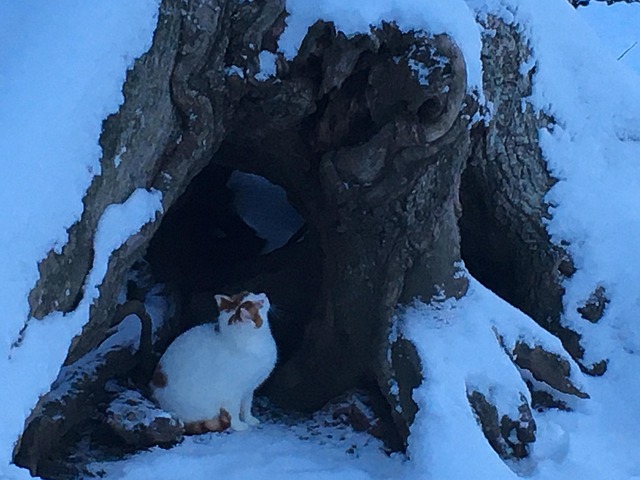
Outdoor cats may be more difficult to monitor, but you can provide shelters and insulated areas to help. Cardboard boxes, old blankets, and small pet houses can offer refuge from wind and snow. Make sure these shelters are elevated from wet surfaces. Regularly check that they remain dry and accessible. Providing safe, insulated spaces encourages your cat to spend time outdoors without risking exposure to extreme cold.
Kittens and senior cats require extra attention. Their immune systems are weaker, and they lose heat faster. Providing heated pads or warm bedding can be lifesaving during extremely low temperatures. Even short exposure to freezing weather can cause serious health issues. Being attentive to these vulnerable groups ensures their safety and comfort throughout the winter season.
Keeping Your Cat Warm and Comfortable
Maintaining warmth for cats involves multiple strategies. Indoor cats benefit from cozy beds, heated pads, or blankets near sunny windows. Outdoor cats need insulated shelters, ideally positioned in a quiet, wind-protected area. Food and water placement is also crucial, as cold can make water freeze and food less appealing. Ensuring proper nutrition helps maintain body temperature and energy levels during winter. Monitor your cat’s body temperature in extreme conditions.
Normal feline temperature ranges from 100.5°F to 102.5°F. If your cat feels unusually cold, contact a veterinarian promptly. Avoid prolonged exposure to drafts or unheated rooms. Taking these precautions helps prevent illnesses caused by cold stress. The key point is to act quickly if you notice signs of cold stress to prevent serious health problems.ress.
Consider clothing for short-haired or elderly cats that tolerate it. Introduce garments gradually and reinforce positively. Not all cats accept clothing, so respect their comfort and combine with warm bedding.
Health Risks Related to Cold Weather
Exposure to cold weather can pose several health risks to cats. Hypothermia occurs when body temperature drops dangerously low. Frostbite can affect ears, paws, and tails, especially in outdoor cats. Cold stress can also exacerbate pre-existing conditions, such as arthritis or respiratory issues. Being aware of these risks allows you to take preventive measures for your cat’s safety.
Regular winter checkups help detect cold-related illnesses early. Preventive care and indoor activity maintain health and circulation, reducing winter health problems.
Keep emergency care items, such as blankets, heating pads, and a thermometer, readily accessible. Learn first aid for cold-related conditions to respond promptly if needed.
Caring for your cat in cold weather requires awareness, preparation, and attention to detail. Observing their behavior, providing warm spaces, and monitoring their health ensure they remain comfortable and safe. Taking these precautions allows your feline companion to enjoy the winter months without suffering from the cold. Their well-being depends on your proactive care and vigilance.