
As a practicing veterinarian with over a decade in small animal care, I’ve been asked this question more times than I can count—usually right around the first cold snap of winter. The short answer is yes, dogs do feel cold. But the longer, more useful answer is that they experience cold very differently from humans, and many owners misunderstand what their dog is actually feeling.
Transitioning from these varying approaches, it’s important to find the right balance when considering how our dogs experience cold.
How Dogs Experience Cold
Dogs don’t perceive temperature exactly the way we do, but their bodies respond to cold in very real, physical ways. Like us, they can become uncomfortable, stressed, and even hypothermic if exposed for too long.
What complicates things is that dogs come with built-in “equipment”—fur coats—that vary widely. A Siberian Husky is bred for cold weather, while a short-haired Chihuahua has very little natural protection against cold.
A client once brought in a small mixed-breed dog thought to have the flu due to lethargy and shivering. He had slept in a drafty garage. After warming him, he recovered quickly. Continued exposure could have been serious.
Signs Your Dog Is Too Cold
Most dogs won’t tell you outright, but they do show clear signs if you know what to look for. Over the years, I’ve learned to spot subtle cues that many owners miss.
Shivering is the most obvious one, but it’s not the only signal. Dogs may also:
- Curl up tightly or tuck their tail.
- Whine or seem anxious.
- Lift their paws off the ground during walks.
- Slow down or refuse to move.
Last winter, a client believed her dog “loved the cold” because he ran outside. But on walks, he stopped and lifted his paws—clear signs of discomfort, not enjoyment.
Which Dogs Are Most Vulnerable
Not all dogs handle cold equally. In my experience, the following groups need extra attention:
Small and Toy Breeds
Dogs with smaller bodies lose heat faster. Consider sweaters or jackets for these dogs during colder months.
Short-Haired Breeds
Breeds like Greyhounds or Dobermans have very little insulation. Even a moderate cold can affect them.
Puppies and Senior Dogs
Young and older dogs struggle more with temperature regulation. Watch for worsening symptoms in older dogs during colder weather.
Dogs with Health Issues
Conditions like hypothyroidism or heart disease can make it harder for a dog to stay warm. Seek guidance if your dog has health concerns.
Common Mistakes Dog Owners Make
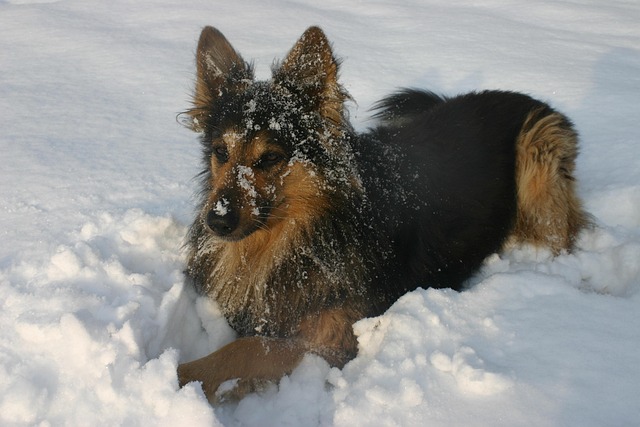
One of the biggest mistakes I see is assuming that fur equals warmth in all conditions. It doesn’t. Wet fur, for example, can actually make a dog colder.
Another common issue is overestimating how long a dog can stay outside. Just because a dog doesn’t immediately show distress doesn’t mean they’re comfortable.
A family left their thick-furred dog outside overnight. The temperature dropped, and by morning, he was hypothermic but recovered. It was a close call.
On the flip side, I’ve also seen owners overdress their dogs indoors, which can lead to overheating and skin irritation. Balance matters.
Practical Ways to Keep Your Dog Warm
In most homes, small changes make a big difference: limit time outdoors, provide dry bedding where your dog prefers, use gear only if your dog tolerates it, and always dry them after they get wet.
Limit outdoor time in very cold weather, especially for small or short-haired dogs. If you’re uncomfortable outside without a jacket, your dog probably is too.
Make sure your dog has warm, dry bedding indoors, and note their favorite sleeping spot for extra comfort.
Consider protective gear for walks. Some dogs need training to get used to booties or sweaters.
Always dry your dog thoroughly after getting wet to prevent body heat loss.
Beyond physical sensation, some owners ask about the emotional side—do dogs feel cold emotionally, like people do?
This is a question I get occasionally, and it’s worth clarifying. Dogs don’t “feel cold” emotionally the way humans might. Their response is physical, not psychological.
Cold-induced discomfort can affect a dog’s mood. I’ve seen playful dogs become quiet just because they were cold.
My Professional Take
If there’s one thing I advise consistently, it’s this: observe your individual dog rather than relying on general rules. Breed, size, health, and even personality all play a role.
I treat dogs every winter whose owners assumed they’d “be fine.” Most of the time, the signs were there—they just weren’t recognized early enough.
Dogs do feel cold. Sometimes more than we expect. And in my experience, a little extra care during colder months goes a long way in keeping them healthy and comfortable.