
Understanding Motion Sickness in Dogs
As a licensed veterinarian practicing in Texas for over a decade, I’ve treated hundreds of dogs with motion sickness, and I’ve seen how stressful car rides can be—for both pets and their owners. I still remember one golden retriever named Max. Every time he got into a car, he would tremble, whine, and inevitably vomit, leaving his family frustrated and worried. Over the years, I’ve developed strategies that genuinely help dogs feel more comfortable during travel.
The first thing I tell owners is that motion sickness in dogs is real and often physical, not just behavioral. Dogs like Max experience nausea because their inner ears sense motion differently than ours do. This means scolding a dog for drooling or vomiting won’t help—it only increases anxiety. Instead, I recommend focusing on gradual acclimatization.
Gradual Acclimatization and Positive Associations
When I first worked with a young Labrador named Bella, her owners struggled with short trips to the vet. I suggested starting with very short drives—just around the block—and immediately rewarding calm behavior. Within a week, Bella began associating car rides with positive experiences. It doesn’t have to be a vast, structured plan; even letting the dog sit in a stationary car for a few minutes while giving treats can make a difference.
Feeding Timing Before Car Travel
Feeding is another key factor. I usually advise dog owners to avoid feeding their pets a large meal right before a trip. One client learned this the hard way after a weekend getaway; their small terrier, Ruby, vomited almost immediately after we hit the highway. Adjusting her feeding schedule to at least a few hours before travel prevented this from recurring. Light snacks, however, are generally acceptable, especially for longer drives.
Creating a Comfortable Car Environment
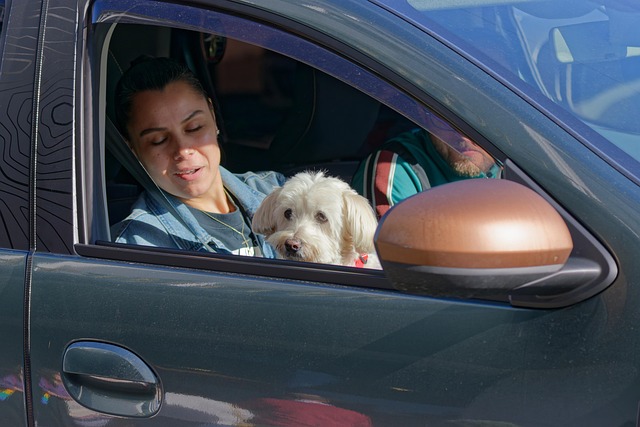
The environment inside the car also matters. Dogs are less likely to get sick if they can see out the window, have good ventilation, and aren’t confined too tightly. I once consulted with a family traveling with a husky named Shadow. Using a well-secured harness attached to the seat allowed Shadow to sit comfortably and see the passing scenery. They reported almost zero signs of nausea after several trips. Crates can help some dogs feel secure, but they shouldn’t feel trapped—airflow and visibility make a surprising difference.
When Medication May Be Necessary
For dogs who remain sensitive, medications can be helpful. I’ve prescribed mild anti-nausea medications for dogs with persistent motion sickness, especially during long trips. These aren’t the first line of defense, but they can make a real difference when used carefully under a veterinarian’s supervision. One older beagle I treated could barely tolerate a five-minute drive without vomiting; a low-dose anti-nausea treatment allowed her to visit the groomer and friends without distress.
The Importance of Patience and Consistency
Finally, patience is essential. Some dogs take longer to adjust. For those with severe motion sickness, multiple short trips, combined with positive reinforcement, can gradually condition them to handle longer drives. I’ve seen small victories accumulate: a dog that once vomited within a mile can eventually enjoy a half-hour drive comfortably.
Final Thoughts on Preventing Car Sickness in Dogs
Preventing car sickness in dogs is less about a single solution and more about understanding their needs, observing their reactions, and making incremental adjustments. In my experience, small changes—like timing meals, improving visibility, offering gentle reassurance, and sometimes using medication—can transform travel from a dreaded ordeal into a manageable, even pleasant, experience.