
From the perspective of a licensed veterinarian practicing in Texas
Aggressive behavior in cats is one of the most distressing problems I see in practice. Owners are often confused and sometimes frightened. They tell me, “She was sweet as a kitten,” or “He just snapped out of nowhere.” In reality, cats rarely become aggressive without a reason. The key is identifying the cause and addressing it thoughtfully.
As a licensed veterinarian practicing in Texas, I’ve worked with hundreds of cats that have shown aggression toward owners, visitors, or other pets. The solution is rarely about dominance. It’s almost always about fear, pain, overstimulation, or miscommunication.
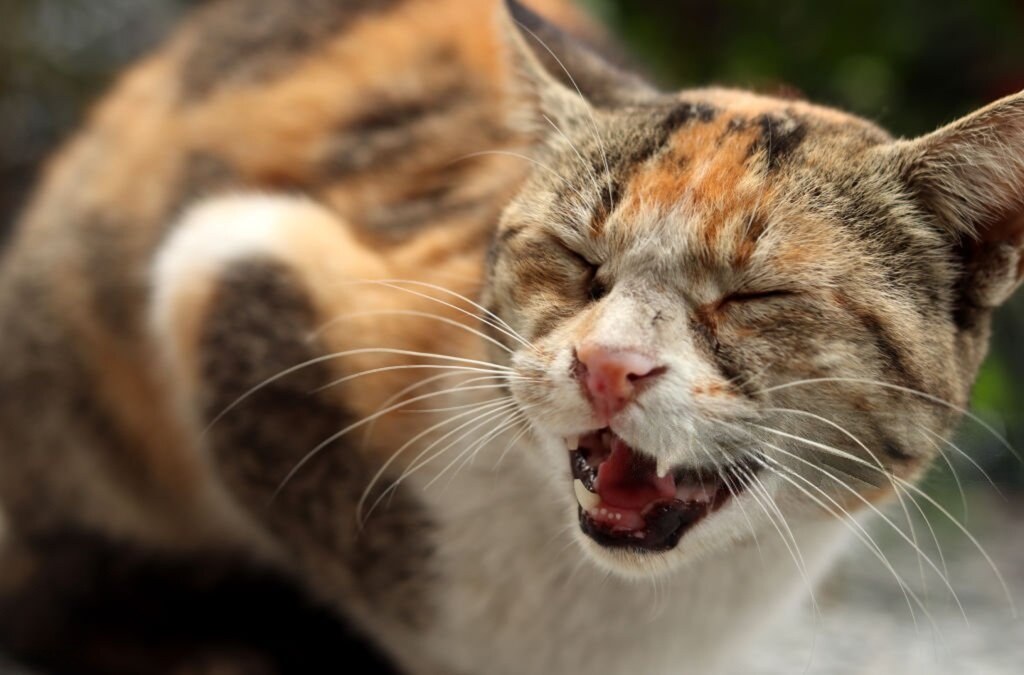
Start With a Medical Rule-Out
The first step I recommend in nearly every case is a medical evaluation. I’ve seen arthritis, dental disease, thyroid imbalance, and even urinary tract infections trigger aggressive reactions.
A few years ago, a middle-aged indoor cat was brought in because he had begun swatting his owner whenever she tried to pet him. The behavior had escalated to biting. The owner assumed he had become “mean.” On examination, he had significant dental pain. After treating the dental disease, the aggression resolved within weeks.
Pain changes behavior. If touching a cat hurts, the cat learns to strike first. That’s not personality. That’s protection.
If aggression appears suddenly or worsens rapidly, a medical cause should always be considered before focusing solely on training or environmental changes.
Identify the Type of Aggression
In practice, I see several common categories:
- Fear-based aggression
- Redirected aggression
- Play aggression
- Territorial aggression
- Petting-induced overstimulation
Each has a different solution.
For example, redirected aggression is something many owners have never heard of. A cat sees another animal outside the window, becomes aroused, and then attacks the nearest person. I treated a case last spring where a normally gentle cat severely scratched her owner after spotting a stray cat outside. Blocking visual access to the window and using calming pheromones significantly reduced the episodes.
Understanding the trigger changes the strategy entirely.
Stop Using Punishment
One of the biggest mistakes I encounter is punishment. Owners clap loudly, spray water, yell, or physically restrain the cat. In my experience, this almost always makes aggression worse.
Cats do not interpret punishment as discipline. They interpret it as a threat. That increases anxiety, which fuels more aggression.
I advise clients to focus on prevention and redirection rather than on punishment. If a cat becomes overstimulated during petting, learn the early warning signs: tail flicking, skin twitching, and ears shifting backward. Stop interaction before the bite happens. Over time, this rebuilds trust.
Modify the Environment
Many aggressive cats are stressed cats. Environmental enrichment reduces tension and provides cats with appropriate outlets for their energy.
In multi-cat households, I frequently see resource competition. One home I visited had three cats sharing one litter box and one feeding area. The most assertive cat began blocking access and attacking the others. Adding additional litter boxes and separate feeding stations dramatically improved the situation.
I generally recommend:
- One litter box per cat, plus one extra
- Multiple vertical spaces, such as cat trees or shelves
- Separate feeding and water areas
- Predictable daily routines
Cats are territorial and thrive on predictability. Small environmental changes often produce big behavioral improvements.
Address Play Aggression Early
Young cats sometimes bite or pounce during play. Owners often encourage this in kittens by using their hands as toys. Later, the behavior becomes painful and problematic.
I’ve worked with several families who unintentionally reinforced rough play. The solution is straightforward: redirect energy toward appropriate toys. Wand toys, puzzle feeders, and scheduled interactive play sessions help channel predatory instincts safely.
If a cat grabs skin, the response should be calm disengagement—not pulling away quickly, which can trigger stronger biting. Ending the interaction immediately teaches the cat that biting stops the fun.
Use Behavior Tools Thoughtfully
In moderate cases, pheromone diffusers can help reduce tension. In more severe cases—especially where injury is occurring—I sometimes prescribe anti-anxiety medication alongside behavioral modification.
Medication is not a shortcut. It lowers the emotional intensity, so training and environmental changes can work. I’ve seen this approach transform cases where cats were on the verge of being rehomed.
That said, medication decisions should be individualized. Not every aggressive cat needs it.
Protect Safety During the Process
While working through aggression, safety matters. Avoid forcing contact. Allow the cat to initiate interaction. Teach children to respect space. If a fight breaks out between cats, never reach in with your bare hands. Use a barrier such as a pillow or a loud interruption from a distance.
One of the more serious injuries I treated involved an owner trying to separate fighting cats by hand. The bite required hospitalization. Preventing injury must be part of the plan.
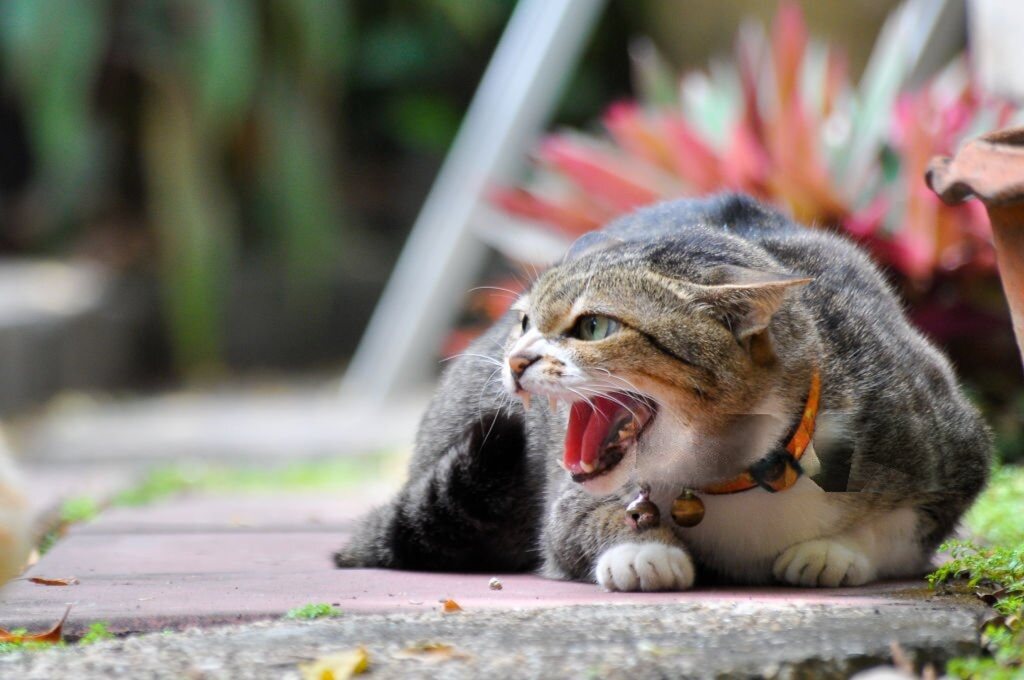
Patience and Consistency
Aggression does not disappear overnight. Cats respond to consistent signals and stable environments. In my experience, improvement usually comes gradually: fewer incidents, less intensity, shorter duration.
Owners who succeed are the ones who observe carefully, adjust thoughtfully, and remain calm. Aggression in cats is rarely about hostility. It is usually a response to discomfort, fear, or overstimulation.
Address the cause rather than just reacting to the behavior. With medical evaluation, environmental adjustment, and consistent handling, most aggressive behavior can be reduced significantly, and in many cases, resolved entirely.