
Understanding Why Cats Yawn
As a licensed veterinarian practicing in Texas for over 12 years, I’ve observed countless feline behaviors that often confuse even the most attentive cat owners. One behavior I’m frequently asked about is yawning. While most people associate yawning with sleepiness, in cats, it can signal something more subtle—and sometimes concerning—like stress.
I remember a patient I treated last spring, a six-year-old Maine Coon named Whiskers. His owner was worried because he seemed to yawn constantly, even in the middle of the day. At first glance, yawning seemed harmless, but when I observed his body language, it was clear that these yawns coincided with other signs of tension—flattened ears, a twitching tail, and occasional hissing when approached. In that case, Whiskers wasn’t sleepy; he was anxious, reacting to the disruption caused by a new puppy in the household.
Yawning in cats can serve multiple purposes. Physiologically, a yawn helps increase oxygen intake and stretch facial muscles. Psychologically, though, it can act as a stress signal. Cats often yawn when they are feeling uneasy or need a calming moment. I’ve seen this in my practice many times, especially in boarding situations. Cats in kennels often yawn repeatedly as they try to navigate unfamiliar surroundings. It’s a small, almost imperceptible sign that they are coping with anxiety.
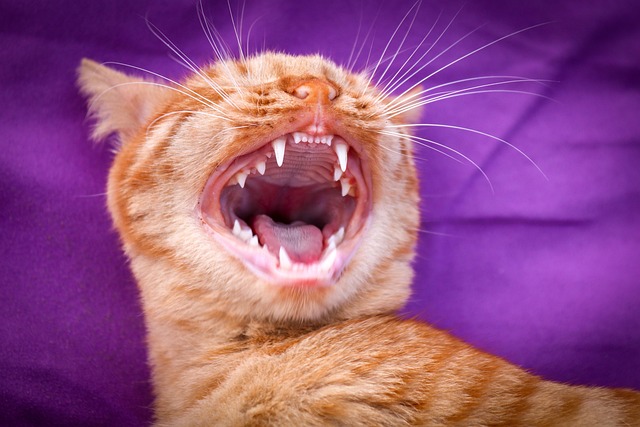
One common mistake I notice among cat owners is dismissing yawning as mere tiredness. I once consulted a family whose adult Siamese was yawning excessively. They thought it was just a quirk until the cat developed digestive issues linked to stress. By adjusting the environment—providing hiding spots, gentle interaction, and predictable routines—the yawning decreased and the cat’s overall behavior improved. This example underscores how yawning, while subtle, can be an early indicator of stress before more obvious problems appear.
It’s also worth mentioning that context matters. A cat stretching and yawning after a nap is different from a cat yawning while crouched under a table with dilated pupils. I always encourage pet owners to look for clusters of behaviors: yawning paired with pacing, excessive grooming, or avoidance often points toward stress. On the other hand, isolated yawns after waking or during a relaxed petting session are usually just normal feline behavior.
From my perspective, observing yawning can be a valuable way to understand your cat’s emotional state. When stress seems to be the cause, I recommend gradual environmental adjustments. For example, introducing vertical spaces, such as shelves or cat trees, can help a stressed cat feel safer. Soft, predictable interactions and quiet resting spots also go a long way. I’ve seen shy cats transform when given a structured environment that acknowledges their comfort levels.
Conclusion
Yawning in cats isn’t always a sign of sleepiness. In my experience, it can indicate stress, especially when combined with other behavioral cues. By paying close attention to context and subtle signs, owners can intervene early, reducing anxiety and promoting a healthier, happier life for their feline companions.