
By a licensed veterinarian practicing in Texas
As a licensed veterinarian practicing in Texas, I’ve counseled hundreds of cat owners through the decision to neuter their male cats. One of the most common concerns I hear is simple: “How is this going to change him?”
The short answer is that neutering changes hormone-driven behaviors far more than it changes personality. A friendly cat usually stays friendly. A shy cat typically remains shy. What shifts are the behaviors fueled by testosterone—roaming, spraying, territorial aggression, and intense mating behaviors?
Understanding what actually happens after neutering helps owners avoid unrealistic expectations and recognize what’s normal during recovery.
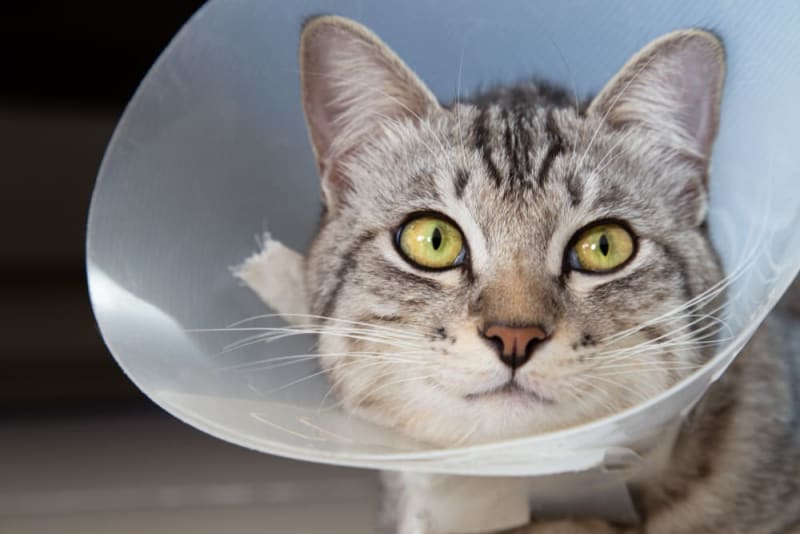
The First Few Days: Recovery Behavior
Immediately after surgery, behavior changes are usually related to anesthesia, not hormones.
For the first 24 to 48 hours, most male cats are quieter than usual. Some are slightly unsteady on their feet. Others may hide or sleep more. I advise owners not to interpret this as a permanent shift in temperament.
A client last summer brought his young male cat in for neutering and called the next morning, worried that the cat “seemed depressed.” In reality, the cat was simply groggy and mildly uncomfortable. Within two days, he was back to climbing furniture and chasing toys.
Temporary lethargy is expected. What is not expected is swelling that worsens, discharge from the incision, or complete refusal to eat beyond a day. Those signs warrant medical attention.
Reduced Roaming and Escape Attempts
One of the most consistent long-term changes I see is a reduction in roaming behavior.
Intact males are driven to search for females, especially during breeding seasons. I’ve treated numerous unneutered males who were hit by cars or injured in fights after escaping through open doors or torn window screens. Their drive to roam is powerful.
After neutering, testosterone levels decline over several weeks. As that hormone influence fades, most males lose the persistent urge to wander long distances.
Owners often report that their cats become more home-oriented. They still enjoy exploring, but the frantic pacing and door-dashing behavior usually decrease significantly.
Marking and Spraying
Urine spraying is one of the primary reasons owners choose neutering.
Testosterone strongly influences territorial marking. In my experience, if a cat is neutered before spraying becomes an established habit, the behavior is far less likely to develop.
I remember a household with two young male littermates. One was neutered at five months; the other’s surgery was delayed. The intact cat began spraying along baseboards and near windows. Even after he was neutered, the spraying persisted but decreased. Once a marking habit is reinforced, it can persist even without hormonal drive.
Timing matters. Early neutering dramatically lowers the risk of chronic spraying behavior.
Changes in Aggression
Neutering often reduces hormone-driven aggression, particularly toward other male cats.
I’ve seen intact males arrive at the clinic tense, vocalizing, and reactive in the presence of other cats. Months after neutering, those same cats were noticeably calmer during visits.
That said, neutering does not eliminate all aggression. Fear-based or resource-related aggression is behavioral, not hormonal. Owners sometimes expect a dramatic personality reset. That rarely happens.
A territorial male who has spent years defending his space may still need behavioral work even after neutering. Surgery reduces the biological fuel, but learned behavior sometimes remains.
Increased Affection — Or Is It?
Many owners report that their male cats become more affectionate after neutering.
From a physiological standpoint, neutering doesn’t create affection. What it often does is reduce restlessness. Without the constant internal drive to seek mates or defend territory, some cats appear calmer and more focused on social interaction.
In practice, I’ve observed that high-energy intact males often redirect that energy after neutering. Instead of pacing or vocalizing at windows, they’re more likely to seek attention or settle nearby.
However, personality remains largely intact. A reserved cat rarely transforms into a lap cat overnight.
Appetite and Weight Gain
One of the most overlooked behavior changes after neutering is increased appetite.
Hormonal changes can slightly reduce metabolic rate while appetite increases. I’ve had numerous clients tell me, “He acts starving all the time now.”
Without adjusting portion sizes, weight gain happens quickly. I’ve treated young male cats who gained several pounds within a year after neutering because owners continued feeding the same calorie level.
This isn’t a flaw in the procedure. It’s a predictable metabolic shift. Controlled portions and regular weight checks prevent obesity-related problems such as diabetes and joint strain.
What Doesn’t Change
Neutering does not:
- Eliminate playful behavior
- Remove hunting instincts
- Change coat length or color
- Erase established fear responses.
Owners sometimes fear they are “taking away” their cat’s spirit. In reality, neutering removes reproductive capability and reduces testosterone-driven behaviors. Core temperament remains largely the same.
Common Misconceptions I Regularly Hear
Over the years, I’ve encountered several persistent myths:
Some believe neutering will make a cat lazy. What I’ve observed is that well-managed neutered males remain active and playful throughout their lives. Excess weight, not neutering itself, causes sluggishness.
Others worry about emotional distress. Cats do not experience a psychological loss related to reproduction. Their behavior is hormonally driven, not identity-based.
A final misconception is that older cats won’t benefit. Even in adult males, neutering often reduces fighting and roaming. While earlier is better, later is still beneficial.
The Bigger Picture
From a health standpoint, neutering eliminates the risk of testicular cancer and reduces certain prostate conditions. From a behavioral standpoint, it lowers roaming, fighting, and marking behaviors that often lead to injury or surrender to shelters.
In practice, the cats who struggle most long-term are usually intact males living in multi-cat or indoor-outdoor environments. The hormonal drive creates constant tension. After neutering, most households report a noticeable shift toward calm.
Male cat behavior after neutering becomes more predictable and easier to manage for most owners. The procedure doesn’t erase personality, but it does remove the biological pressures that often create conflict and risk. For the vast majority of cats, that shift supports both safety and long-term well-being.