
After more than a decade working as a licensed veterinarian in a busy small-animal clinic, I’ve learned that one of the most common concerns new cat owners bring to me has nothing to do with illness. It’s the litter box.
People often assume cats instinctively know how to use one. Most do, but not all cats get it right away, and even those that once did can develop problems. I’ve helped countless owners with litter box training—especially with kittens, rescues, and cats adjusting to new homes—and the process is usually simpler than people expect once you understand how cats think.
Start With the Right Setup
Before trying to “teach” anything, I always tell clients to look at the litter box itself. Many training problems start there.
Cats prefer a quiet, predictable place to eliminate. If the litter box is near a noisy appliance or in a high-traffic hallway, some cats may refuse to use it.
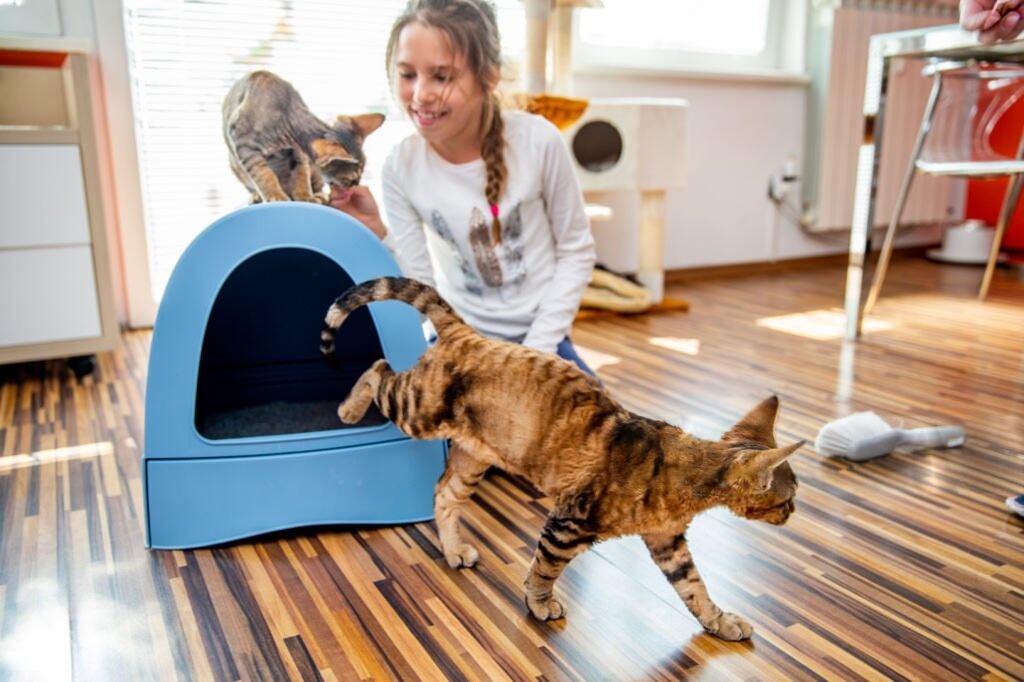
In my experience, a basic open litter box works better than fancy covered ones for most cats, especially kittens. Covered boxes trap odor and can feel confining. I’ve seen many cats avoid them entirely.
A couple brought in a young rescue cat that was urinating on their bathroom rug. After I asked a few questions, it turned out the litter box was enclosed in a small cabinet. The cat had to squeeze in and sit in an area filled with odor.
We removed the cabinet and switched to a simple open box in a quiet spot. The problem stopped within days.
Choosing the Right Litter
Cats are surprisingly particular about texture.
Most cats prefer fine, unscented clumping litter. Strongly scented litter may smell pleasant to people, but to a cat’s sensitive nose, it can be overwhelming.
A kitten owner tried several training techniques, but success only came when they switched from perfumed to plain clumping litter. The kitten used the box right away.
Key takeaway: Sometimes surface preference matters more than training methods.
Showing a Kitten What to Do
Kittens generally learn quickly with gentle guidance. When someone brings home a young kitten, I usually suggest a simple routine.
Place the kitten in the litter box after meals, upon waking, and after play sessions. These are the moments when they’re most likely to need it.
You don’t need to move their paws through the litter like some online videos suggest. I actually advise against that. Cats dislike being forced into behaviors, and it can create anxiety around the box.
Instead, let the kitten explore. Gently run your fingers through the litter to demonstrate its texture. Most kittens instinctively start digging.
Recently, a family adopted two shelter kittens. One learned the box immediately; the other was confused. Owners gently placed the kitten in the box after meals and naps. Within days, he began using it consistently after watching his sibling.
Cats learn by watching and observing. Location Matters More Than People Realize
One of the biggest mistakes I see is poor litter box placement.
Owners often hide the box in basements, laundry rooms, or garages because they don’t want to see it. But if the cat has to travel through a noisy or unfamiliar area, accidents become more likely.
Easy access to the litter box is essential. In multi-story homes, I usually recommend having a litter box on each floor. It prevents urgent situations where the cat can’t reach the box quickly enough.
A middle-aged cat began urinating near the stairs after its box was moved to the basement during a renovation. It disliked the long trip downstairs.
Key takeaway: Simple changes, like adding a box, fix placement issues.
Keeping the Box Clean
Cats are naturally clean animals. If the litter box smells unpleasant, many will look for a cleaner place to go.
I often tell owners to imagine using a bathroom that hasn’t been flushed all day. That’s essentially how a dirty litter box feels to a cat.
Scooping once or twice daily usually prevents problems. Completely replacing the litter and washing the box periodically also helps.
I once worked with a client who thought their cat was “spiteful” because it kept eliminating on the carpet. After a brief discussion, it became clear that the litter box was cleaned only once every several days. Once they began scooping daily, the accidents stopped.
CCats avoid unpleasant spaces; they’re not being difficult. Handling Accidents Calmly
Even with the right setup, accidents happen during the learning process.
Punishment never helps. Cats don’t connect scolding with the earlier behavior, and it often creates fear around the owner rather than correcting the habit.
Instead, clean the area thoroughly to remove the odor and help the cat return to its litter box routine.
Key takeaway: Place the litter box near the cat’s chosen spot to redirect behavior. After the cat consistently uses the box, gradually relocate it to your preferred area.
When It Might Be a Medical Issue
While training problems are common, I always remind owners that sudden litter box avoidance in a previously well-trained cat can signal a medical problem.
Urinary tract infections, bladder inflammation, and kidney disease can all cause changes in bathroom habits. If a cat suddenly stops using the litter box, especially if there are other symptoms like frequent urination or vocalizing, a veterinary exam is essential.
Several urinary infections I diagnosed were first mistaken by owners for misbehavior, but the cats were trying to show discomfort.
Patience Usually Wins
Cats learn quickly when the environment works for them. Most litter box training issues resolve once the box is accessible, the litter feels comfortable, and the cat feels safe using it.
Over the years, I’ve watched many frustrated owners turn into relieved ones after a few simple adjustments. Cats aren’t stubborn about litter boxes—they’re simply very particular about where and how they use them.
Key takeaway: Respecting a cat’s preferences is the true key to easy training.