
A Veterinarian’s Perspective from the Exam Room
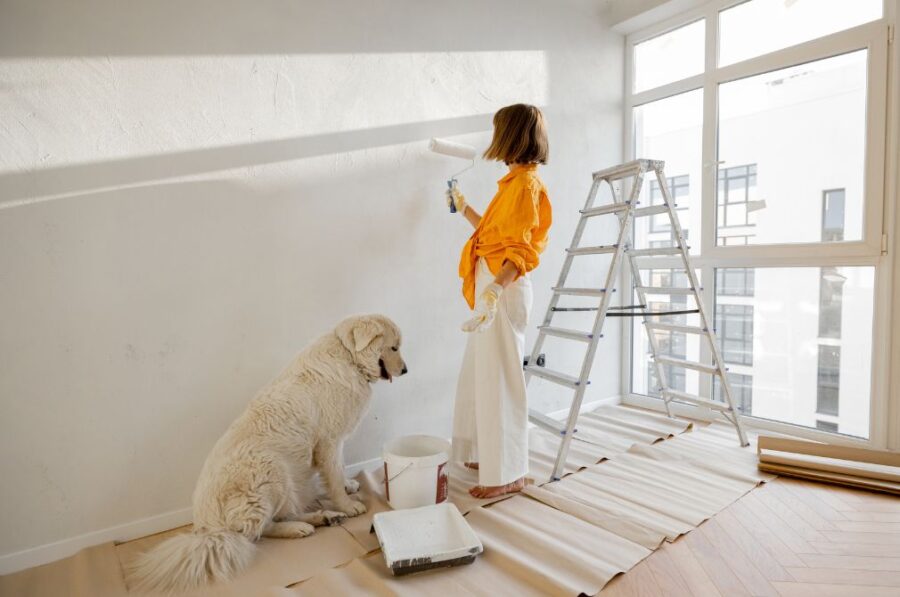
I’ve been practicing as a small-animal veterinarian for over a decade, and if there’s one thing I’ve learned, it’s that dogs get exposed to things owners don’t always think twice about. Paint fumes are one of those hidden risks that come up more often than you’d expect.
The short answer is yes—paint fumes can absolutely be harmful to dogs. But the degree of risk depends on the type of paint, the level of exposure, and the individual dog.
What I’ve Seen Firsthand
A case that stuck with me involved a young Labrador whose owners had just repainted their living room over a long weekend. They thought they were being careful—windows open, fans running—but the dog stayed indoors the entire time.
By the second day, he became lethargic, refused food, and started vomiting. When they brought him in, his symptoms pointed to mild chemical irritation. After supportive care and a few days away from the fumes, he recovered fully. But it was a clear reminder: even “well-ventilated” spaces can still concentrate fumes enough to affect a dog.
Another situation was more subtle. A senior dog came in with persistent coughing and watery eyes. The owner mentioned repainting a bedroom about a week earlier. The dog hadn’t been in that room directly, but fumes had spread through the house. In older dogs, especially, I’ve found that even low-level exposure can trigger respiratory irritation.
Why Dogs Are More Vulnerable
Dogs process airborne chemicals differently than we do. Their noses are more sensitive, and they breathe closer to the ground where heavier fumes can settle.
In my experience, smaller breeds tend to show symptoms faster simply because of their size, but even large, healthy dogs aren’t immune. Puppies and older dogs are particularly at risk.
Oil-based paints are the biggest concern. They release stronger volatile organic compounds (VOCs), which can irritate the lungs and, in some cases, affect the nervous system. Water-based or “low-VOC” paints are safer, but I wouldn’t call them completely harmless.
Symptoms I Tell Owners to Watch For
When clients ask me about paint fumes, I don’t overwhelm them with a long list. I focus on what they’re most likely to notice:
- Unusual tiredness or lack of energy
- Loss of appetite
- Coughing or sneezing
- Watery eyes or nasal discharge
- Vomiting or drooling
I’ve also seen dogs become restless or disoriented after prolonged exposure, especially in poorly ventilated spaces.
Common Mistakes I See
One of the biggest mistakes I make is assuming that if a smell doesn’t bother me, it won’t bother my dog. That’s simply not how their bodies work.
Another is letting dogs back into freshly painted rooms too soon. I’ve had clients tell me, “The paint felt dry, so we thought it was fine.” Dry to the touch doesn’t mean the fumes are gone. In some cases, VOCs can linger for days.
I also see people underestimate how fumes travel. Even if you’re painting one room, the smell can spread through air vents or open doorways. I’ve had cases where the dog never entered the painted space but still showed mild symptoms.
What I Personally Recommend
When clients ask for practical advice, I keep it simple and based on what I’ve seen work:
If you’re painting, keep your dog out of the house if possible. If that’s not realistic, confine them to a well-ventilated area far from the work zone. I often suggest staying with a friend or using a boarding facility for a day or two if the project is large.
Ventilation matters, but it’s not a complete solution. Open windows and fans help, but they don’t eliminate risk entirely.
I usually advise waiting at least 48–72 hours before letting dogs spend extended time in a freshly painted area. For stronger paints, I’ve recommended even longer, especially for sensitive dogs.
A Final Thought from Experience
Over the years, I’ve noticed that most paint-related issues in dogs are preventable. They don’t happen because owners are careless—they happen because the risk isn’t obvious.
The good news is that with a bit of planning, you can avoid the problem entirely. I’ve had plenty of clients repaint their homes without any issues once they understood how to properly manage exposure.
If your dog does show symptoms after being around paint fumes, don’t wait it out too long. In most cases I’ve treated, early intervention made all the difference between a mild irritation and something more serious.