
A Vet’s Honest Breakdown
I’ve been working as a small-animal veterinarian for over a decade, and if there’s one question I hear almost every week, it’s this: “How much should I budget for my dog’s yearly shots?”
The short answer is — it varies more than most people expect. The longer answer is where things actually become useful.
Let me walk you through it the way I explain it to clients sitting across from me in the exam room.
What You’re Actually Paying For
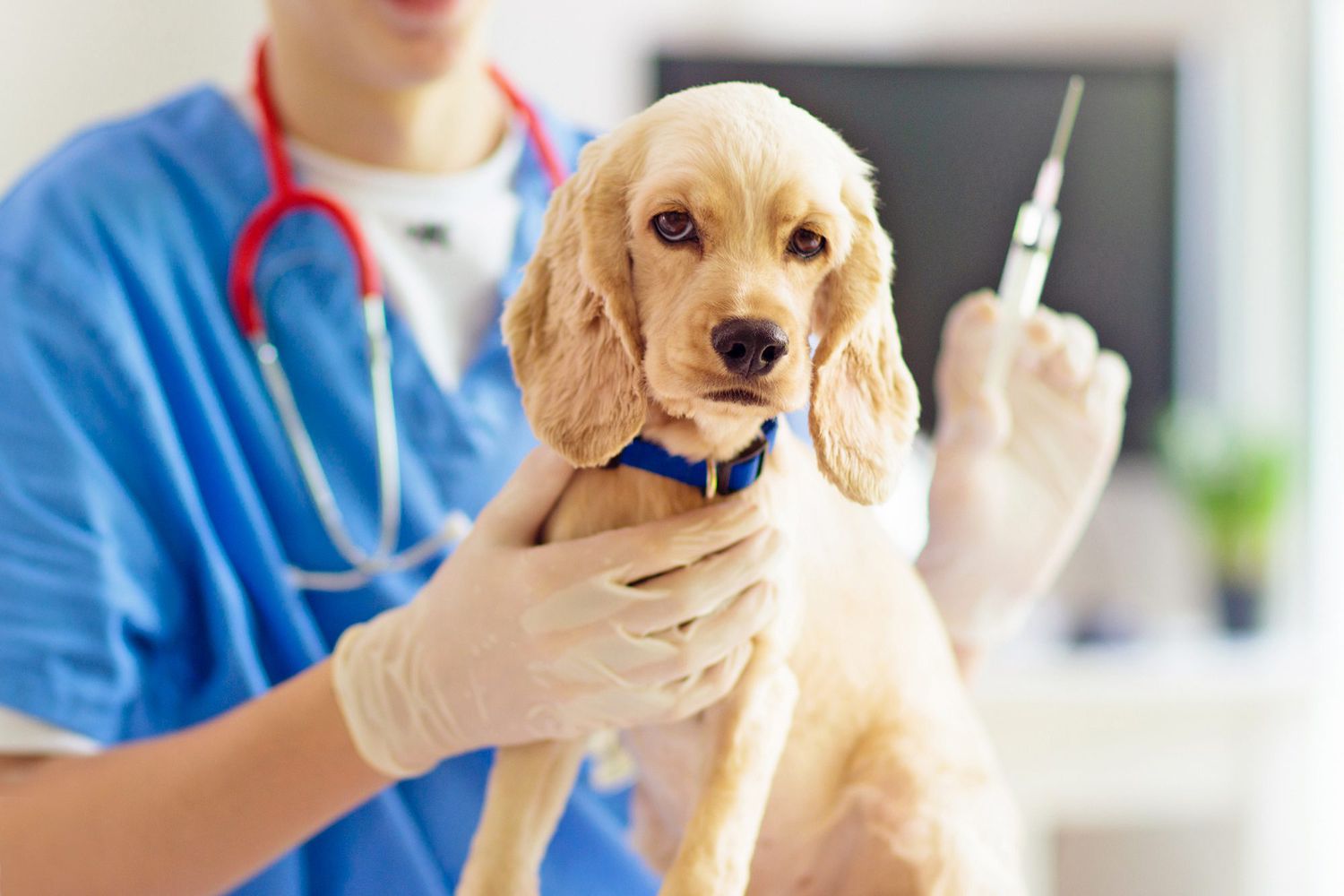
When people say “yearly vaccinations,” they usually imagine a quick injection and a fixed price. In reality, you’re paying for a combination of things:
- The vaccines themselves
- A physical exam (which I strongly recommend never skipping)
- Clinic overhead (staff, storage, proper vaccine handling)
In my clinic, and in most reputable practices I’ve worked with, the exam is just as important as the shot. I’ve caught early heart disease, skin infections, and even tumors during what owners thought would be a routine vaccine visit.
One dog I saw last year came in for boosters and left with a diagnosis that likely saved his life — all because we didn’t treat vaccinations as a “quick in-and-out” job.
Typical Yearly Vaccination Costs
From what I’ve seen across different clinics — both urban and smaller-town practices — here’s a realistic range:
- Basic core vaccines: usually fall somewhere between modest and moderate pricing per visit
- Full yearly visit (exam + core vaccines): typically feels like a mid-range vet bill, not a minor one
- Additional vaccines (like kennel cough or leptospirosis): add noticeable but not extreme cost
If I had to put it into practical terms from my experience:
Most dog owners end up spending what they’d consider a “routine vet visit,” not a trivial expense, but not something that should shock you either.
Core vs Optional Vaccines (Where Costs Change)
This is where people either overspend or, worse, underspend.
Core vaccines are the ones I almost never advise skipping:
- Rabies
- Distemper
- Parvovirus
- Adenovirus
These protect against diseases I’ve personally seen take dogs down fast — especially parvo. Early in my career, I treated a litter where only one pup survived. That experience alone is why I never downplay core vaccines.
Optional vaccines depend on your dog’s lifestyle:
- Kennel cough (for boarding or grooming visits)
- Leptospirosis (more common in certain environments)
- Lyme disease (region-specific)
I once had a client decline the kennel cough vaccine because their dog “rarely meets others.” A few months later, after a short boarding stay, the dog developed a persistent cough that turned into a longer, more expensive problem than the vaccine would have been.
Why Prices Vary So Much
Owners often compare prices between clinics and assume someone is overcharging. That’s not always the case.
Here’s what actually affects cost:
- Location: Clinics in larger cities usually charge more
- Vaccine quality and storage: Proper handling isn’t cheap, but it matters
- Included services: Some clinics bundle exams, others charge separately
- Clinic standards: Lower-cost setups sometimes cut corners — I’ve seen improperly stored vaccines fail to protect dogs
At one clinic I briefly consulted at, clients were bringing back vaccinated dogs that were still getting sick. The issue wasn’t the vaccine itself — it was storage. That experience changed how seriously I take where vaccines come from.
So how about those budget-friendly vaccine clinics you might see advertised?
I get asked about low-cost vaccination drives all the time.
They can be helpful, especially for owners on tight budgets. But there are trade-offs.
You often don’t get:
- A full physical exam
- Time to discuss your dog’s overall health
- Follow-up care if something seems off
If your dog is young, healthy, and you’re just maintaining protection, these clinics can be a practical option. But for puppies, seniors, or dogs with health issues, I usually recommend a full-service visit.
I’ve had more than a few cases where something subtle — a heart murmur, early arthritis — would have been missed in a quick vaccination line.
Common Mistakes I See Owners Make
After years in practice, a few patterns stand out:
Skipping the exam to “save money.”
This is the one I push back on the most. The exam is where we catch problems early.
Over-vaccinating
Some dogs don’t need every vaccine every year. Immunity duration matters, and a good vet will tailor the schedule.
Waiting too long between visits
Delays can mean restarting vaccine schedules, which ends up costing more.
Assuming indoor dogs don’t need vaccines
Viruses don’t respect your living room. I’ve treated indoor dogs with parvo — it happens more than people think.
What I Tell My Own Clients
If you’re budgeting for your dog, plan for a yearly vet visit that includes vaccinations and a proper check-up. Think of it less as “shots” and more as an annual health review.
From my perspective, vaccine costs are predictable. The cost of treating preventable diseases isn’t.
I’ve seen both sides — owners who stayed consistent with yearly care and those who delayed. The difference, not just financially but emotionally, is huge.
And if there’s one thing I’ve learned after all these years, it’s this: routine care almost always feels expensive until you compare it to what happens when it’s skipped.