
Learning What Works Through Experience
As a homeowner maintaining a garden in a cat-filled neighborhood, I’ve learned much about keeping felines away. Over the past decade, I’ve tried nearly every product and unconventional method and find that what works in theory often fails in practice.
Early Trial and Error with Natural Remedies
When I planted a vegetable patch, paw prints and dug-up soil soon followed. I first tried citrus peels and coffee grounds, according to advice from the internet. Results were sporadic; cats adapted quickly, and my tomatoes suffered. That taught me: repellents must be persistent and tailored, not quick fixes.
Why Motion-Activated Devices Work Best
From my hands-on experience, I’ve found that motion-activated devices tend to deliver the most consistent results. I installed a motion-sensor sprinkler near the garden perimeter after another round of damage. The first time it went off, one of the neighborhood cats jumped and bolted straight out of the yard. Over the following weeks, most of the local cats learned to avoid that area entirely.
Unlike chemical sprays, this method is humane, doesn’t harm the cats, and discourages repeated visits. One spring, a customer of mine tried a similar setup in her flower beds and reported a dramatic reduction in feline intrusions within just a few days.
Using Scent-Based Repellents Effectively
I’ve also experimented with granular repellents, such as predator-urine-based products. In a smaller backyard where installing a sprinkler wasn’t practical, I spread fox urine granules around the edges. The first night, the cats sniffed cautiously and left.
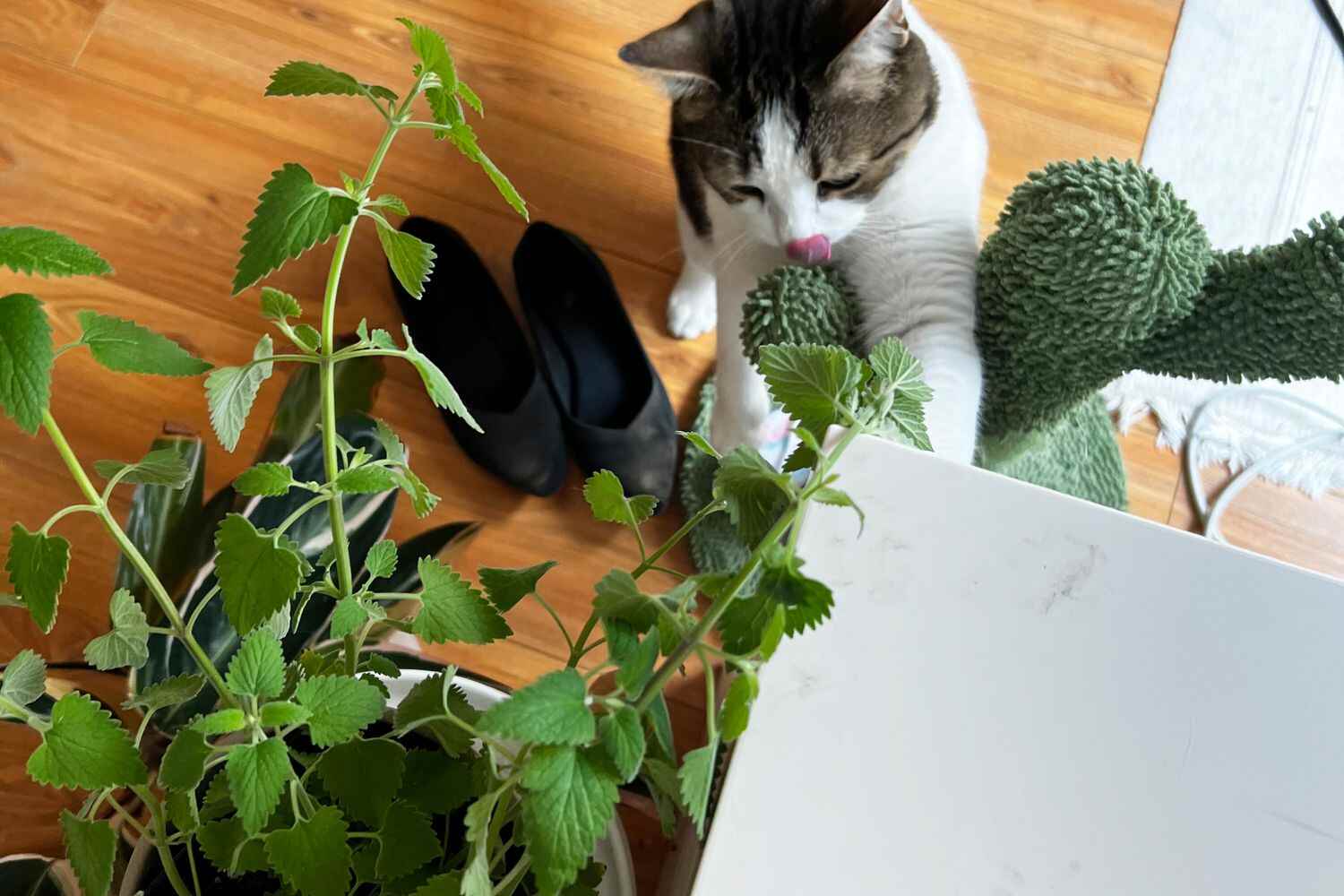
Over time, it created a psychological boundary, and I saw far fewer paw prints in the flowerbeds. However, these products can lose potency in heavy rain, which I didn’t anticipate until several storms washed away the scent. In my experience, they work best when combined with another deterrent, such as fencing or plants cats dislike—lavender and rue, for example.
Limitations of Physical Barriers Alone
Many neighbors rely only on barriers like low fences. Cats are agile and, without added deterrents—scent, motion, or sound—they find a way in. I recall a friend spending hundreds on a decorative fence, only to watch a cat leap over it the next day. After adding a motion-activated ultrasonic device, her garden stayed mostly intact.
The Power of a Multi-Layered Approach
Consistency is crucial. Sporadic use of repellents, rapid switching between methods, or inconsistent placement rarely works. I combine repellents that target multiple senses: visual (motion), auditory (ultrasonic), and olfactory (scents). This multi-layered approach deters cats without harm or stress.
Conclusion
The most effective repellent depends on your environment and tolerance for maintenance. Motion-activated sprinklers have been the most reliable for gardens and yards. For small spaces or spot treatment, granular repellents or ultrasonic devices complement this approach. Understanding feline curiosity, territorial instincts, and discomfort avoidance is as vital as any product.
Over the years of facing this challenge, I’ve come to respect cats’ intelligence while protecting my property. The key is watching, exercising patience, and combining deterrents to consistently show cats your space is off-limits. Most eventually move on, leaving gardens, patios, and flowerbeds largely untouched.