
A Veterinarian’s Perspective
I’ve been a licensed veterinarian practicing in Texas for over a decade, and weight loss in senior cats is one of the concerns I hear about most often in my exam room. It’s also one of the issues that’s easiest to underestimate. Many people assume an older cat is “just slowing down” or getting picky. In my experience, unexplained weight loss in an aging cat is rarely trivial, and food choices can either help stabilize the problem or quietly make it worse.
I remember a gray tabby I saw last year whose owner proudly told me she’d switched him to a “light senior formula” because he looked thin. He was already losing muscle, not fat. That well-meaning change accelerated the weight loss. We had to undo months of damage by rethinking what, how, and why he was being fed.
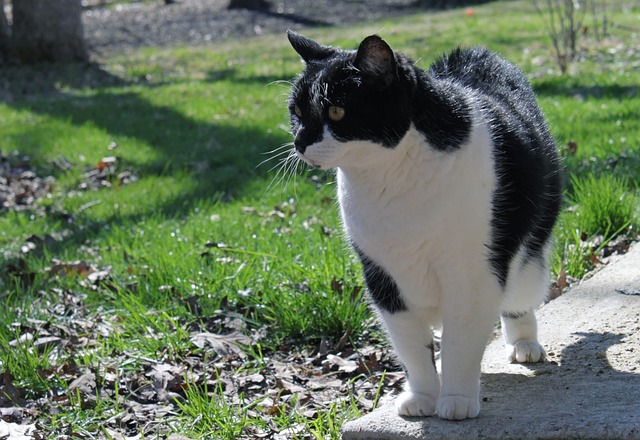
First, understand why older cats lose weight.
Before talking about food, I always explain this to clients: senior cats don’t usually lose weight because they aren’t eating enough calories, even though that’s what the paper says. They lose weight because their bodies stop using food efficiently, or because eating itself becomes uncomfortable.
Over the years, I’ve most commonly traced weight loss back to a handful of causes:
- Chronic kidney disease, where cats feel nauseated and eat less, even if food is available
- Hyperthyroidism, where cats eat well but burn calories too fast
- Dental pain, which makes chewing dry food miserable
- Muscle loss related to aging, even when calorie intake seems normal
One older orange cat I treated last spring was eating “all day,” according to his owner. What she didn’t notice was that he’d stopped finishing meals and was avoiding anything that required chewing. Switching foods made a dramatic difference, but only after we addressed the underlying dental disease.
Food matters, but context matters more.
Calories alone aren’t enough for senior cats.
A mistake I see repeatedly is focusing only on calorie numbers. People will ask me, “Should I just feed a higher-calorie food?” Sometimes yes, but often that’s only part of the solution.
Older cats need food that’s:
- Calorie-dense without being bulky
- Highly digestible
- Rich in animal-based protein
I’m very opinionated about protein in older cats. Unless there’s a specific medical reason to restrict it, I generally recommend more high-quality protein, not less. Muscle loss is one of the biggest threats to quality of life in senior cats, and low-protein diets can accelerate that decline.
I had a long-term patient, a petite black cat, whose weight stabilized only after we stopped a low-protein “senior” food and moved her to a diet closer to what I’d feed a middle-aged cat — just softer and more energy-dense.
Wet food is often the turning point.
If I had to name one feeding change that helps the most with older, underweight cats, it would be increasing wet food intake.
Wet food offers several advantages I’ve seen play out repeatedly:
- More pungent smell, which matters as cats’ sense of smell dulls with age
- Easier chewing for cats with sore mouths
- Higher moisture content, which helps the kidneys and overall hydration
Many senior cats nibble at dry food but eat wet food enthusiastically. I’ve watched cats who barely touched kibble clean their bowls when offered a warmed canned diet. Warming isn’t a gimmick — it releases aroma, and aroma drives appetite.
That said, not all wet foods are equal. I usually steer owners away from formulas heavy in fillers or plant proteins. Labels matter, but what matters more is whether the cat actually eats it consistently.
Texture can matter as much as flavor.
One detail that only people living with older cats tend to notice is how texture preferences change. I’ve had cats reject a food they loved for years simply because their mouths couldn’t tolerate it anymore.
In practice, I’ve seen:
- Cats that refuse pâté but eat shredded or minced textures eagerly
- Cats that do better with mousse-style foods that require almost no chewing
- Cats that prefer gravies and lick those first, leaving chunks behind
One thin senior Siamese I treated would only eat foods he could lap up. Once his owner stopped trying to “get him used to chunks again” and accepted that preference, his weight stabilized within weeks.
Feeding smaller, more frequent meals helps more than people expect
Older cats often struggle with large meals. Nausea, reflux, or simple fatigue can limit how much they eat at once. I recommend dividing daily intake into three or four smaller feedings.
I’ve seen this work exceptionally well for cats with kidney disease or hyperthyroidism. One client told me her cat ate “barely anything.” When we tracked it, he was eating small amounts all day — just not enough at any one sitting to notice. Structured, frequent meals changed that perception and his body condition.
Be cautious with “senior” labels.
That may surprise people, but I don’t automatically recommend senior-labeled cat foods. Some are excellent. Others are lower in protein and calories than what a thin older cat needs.
I’ve advised against specific senior formulas when:
- A cat is already underweight
- Muscle loss is visible along the spine or hips
- The cat has no medical reason for protein restriction
Age alone doesn’t dictate diet. Body condition does.
Supplements and toppers can help — or backfire
People often ask me about adding broths, toppers, or supplements. I’ve seen these help, but I’ve also seen them create new problems.
A bit of warm bone broth (no onion, no garlic) can encourage eating. High-calorie veterinary gels can be helpful in the short term. But relying too heavily on toppers can make cats refuse their actual food altogether. I’ve had clients accidentally train their cats to wait for “the good stuff” and reject balanced meals.
If you add something, it should support the main diet, not replace it.
When food alone isn’t enough
There’s a point where diet changes stop working, and recognizing that matters. If an older cat continues to lose weight despite eating well, I start looking harder for medical causes or considering appetite stimulants.
I’ve prescribed appetite stimulants for cats who couldn’t overcome nausea or age-related appetite decline. Used appropriately, they can buy time and comfort. Used without addressing diet, they often fail.
One frail senior cat I managed over several months only began gaining weight after we combined a highly digestible wet diet, appetite support, and pain management. Food was one piece of a larger puzzle.
What I want cat owners to take away
If your older cat is losing weight, feeding decisions shouldn’t be guesswork. In my years of practice, the cats who do best are the ones whose owners stop chasing trends and start responding to what their bodies are telling them.
Feed for condition, not age. Favor foods that are easy to eat, smell appealing, and provide real nutritional value. And don’t assume weight loss is normal just because your cat is getting older.
I’ve seen too many senior cats regain strength, interest, and comfort simply because someone adjusted what was in the bowl — thoughtfully, patiently, and with the cat’s actual needs in mind.