
I’ve been a small-animal veterinarian for over a decade, and I practice in a busy clinic in Texas where cats make up a large part of my caseload. One of the most worrying combinations I see is a cat that’s both lethargic and losing weight. On their own, either sign can sometimes be subtle or slow to raise alarms. Together, they almost always mean something deeper is going on.
I still remember a gray tabby brought in one summer afternoon because, as the owner put it, “He’s just not himself.” He was eating a little less, sleeping more, and had dropped enough weight that his collar was suddenly loose. That cat looked fine at a glance. No dramatic vomiting. No obvious pain. But that quiet change in energy and body condition told a much bigger story.
Why lethargy and weight loss together worry me
In my experience, healthy cats are remarkably good at hiding illness. They’ll still jump on the couch, still purr when petted, still make it to the litter box. Weight loss paired with lethargy is often one of the first visible cracks in that façade.
Weight doesn’t fall off cats accidentally. It’s either because they’re not taking in enough calories, they’re not absorbing nutrients properly, or their body is burning through energy faster than it should. Lethargy usually means the body is under strain. When I see both, I stop thinking about surface problems and start thinking system-wide.
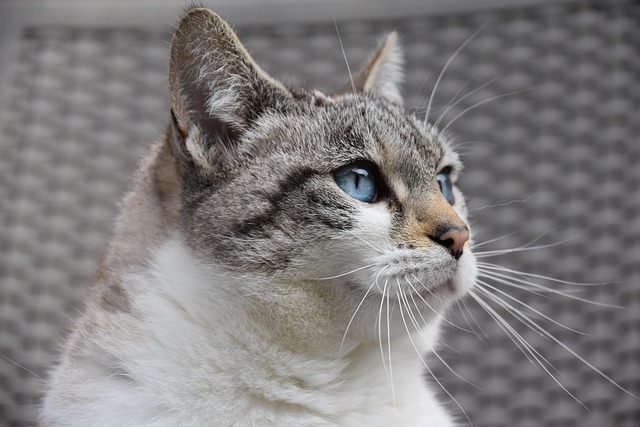
Common causes I see in real practice.
People often expect a neat list of causes. Real life is messier. That said, specific patterns repeat themselves usually enough that I recognize them quickly.
Hyperthyroidism is a classic example, especially in older cats. I’ve seen plenty of cats who lose weight despite eating well, sometimes even acting hungry. Early on, they may seem restless rather than lethargic, but as the disease progresses, many of them crash. One orange cat I treated last year had lost noticeable muscle along its back. The owner thought it was “just age.” Bloodwork told a different story.
Kidney disease is another frequent culprit. Cats with kidney issues often drink more, urinate more, and slowly lose weight. The lethargy creeps in gradually. I’ve had owners tell me their cat is “just sleeping like an old cat,” when in reality the cat feels constantly unwell, mildly nauseated, and dehydrated.
Dental disease is more subtle but surprisingly common. I once examined a middle-aged cat that had lost weight over several months. The owner swore he was eating normally. When I looked in his mouth, I found severe tooth resorption. He was eating, yes—but every bite hurt. Pain drains energy, and chronic pain absolutely causes lethargy.
Then there are gastrointestinal problems. Inflammatory bowel disease, parasites, food intolerances, and even intestinal cancers can cause weight loss and low energy. These cases don’t always come with dramatic diarrhea. Sometimes it’s just a cat who eats less, digests poorly, and slowly fades.
A case that still sticks with me
A few winters ago, a black indoor cat was brought in because she had “lost her spark.” That phrase comes up more than you’d expect. She was quieter, had lost weight, and spent most of the day tucked away in a closet. Initial exams were unremarkable. Her bloodwork, however, showed subtle anemia.
Further testing revealed an underlying chronic inflammatory condition that had been smoldering for months. The owner felt guilty for not bringing her in sooner. I told her what I tell many people: cats don’t read textbooks. They don’t follow timelines. They whisper instead of shouting.
Mistakes I see owners make
One common mistake is waiting too long, even though the cat is still eating. Eating doesn’t equal healthy. I’ve treated cats with serious illness who cleaned their bowls right up until they couldn’t.
Another mistake is attributing weight loss to aging. Older cats do lose muscle over time, but noticeable weight loss paired with low energy is not a regular part of aging. I’ve had this conversation countless times, and it’s always better to check and be wrong than to assume and miss something treatable.
I also see people switching foods repeatedly at home, hoping to “tempt” their cat back to normal. While well-intentioned, this can muddy the waters and delay diagnosis. Appetite changes are information. Masking them doesn’t help me help the cat.
What I focus on during an exam
When a lethargic, underweight cat comes into my exam room, I slow down. I watch how they move, how they hold their head, how they respond to touch. I feel along the spine and hips for muscle loss. I check hydration by feel, not just by numbers.
I almost always recommend bloodwork in these cases. Not because I enjoy running tests, but because guessing is expensive in the long run. Blood tests often reveal issues that physical exams can’t—thyroid changes, kidney values, liver stress, and infection markers.
Depending on what I find, I suggest urine testing, imaging, or dental evaluation under anesthesia. Some owners worry I’m “throwing tests” at the problem. From my side of the table, I’m building a picture. Each piece matters.
When it’s urgent—and when it’s not
Rapid weight loss over weeks, combined with marked lethargy, is an urgent concern. Cats can decline quickly once they stop eating enough. Fatty liver disease, for example, can develop surprisingly fast and make recovery much more complicated.
Slower changes over months are still profound, but they allow more room for thoughtful diagnostics. I’ve seen cats turn around beautifully once the root cause was identified and treated, even after months of subtle decline.
What worries me most is the cat who “just seems off” and keeps getting put on the back burner. Those are often the ones who arrive in crisis.
My professional stance
If a cat is lethargic and losing weight, I don’t believe in waiting it out. I’ve seen too many cases where early intervention made the difference between manageable chronic disease and irreversible damage.
I also don’t believe every case needs every test immediately. Veterinary medicine is about judgment, experience, and tailoring the plan to the cat in front of me. But doing nothing is rarely the right call.
Cats don’t slow down and shrink for no reason. When they change, they’re telling us something. My job—and the job of any veterinarian who’s been in the exam room long enough—is to listen before the whisper turns into silence.