
A Veterinary Perspective on Pet Safety in Parked Vehicles
Many dog owners face the same dilemma during quick errands: leave the dog at home or bring them along and risk the dangers of a parked car. Even brief stops can expose pets to unsafe temperatures, especially in warm or humid weather. In response to these concerns, some modern vehicles now offer a feature commonly known as Dog Mode — a system designed to keep the cabin climate controlled while a pet remains inside.
This technology can reduce risk, but it does not eliminate it. Understanding which cars offer Dog Mode — and how the feature actually works — helps pet owners make safer, more informed decisions.
What Dog Mode Actually Does
Dog Mode is a vehicle setting that maintains a stable interior temperature after the driver exits the car. Unlike standard climate control, which usually shuts off when the vehicle is parked, Dog Mode keeps heating or cooling running continuously.
Many systems also display a message on the center screen visible from outside the vehicle. This message typically reassures passersby that:
-
The cabin is temperature-controlled
-
The owner will return soon
This serves two purposes. It protects the dog from temperature extremes and reduces the likelihood that concerned bystanders will attempt to intervene.
However, Dog Mode is not simply an upgraded air conditioner. It relies on battery power, sensors, and software monitoring. Like any technology, it has limits.
Which Cars Currently Offer Dog Mode
Tesla vehicles
Tesla was the first manufacturer to widely introduce Dog Mode as a dedicated feature. It is available in multiple models, including:
-
Model S
-
Model 3
-
Model X
-
Model Y
These vehicles actively regulate cabin temperature and display a clear message on the screen informing others that climate control is active for a pet. Because the system is integrated into the vehicle’s energy management software, it monitors battery levels and adjusts performance accordingly.
Among currently available options, Tesla provides the most clearly labeled and purpose-built Dog Mode system.
Vehicles with similar pet-friendly climate features
Some manufacturers do not use the term “Dog Mode,” but certain models can maintain cabin temperature after parking, which may serve a similar purpose for short periods.
Volvo offers vehicles with advanced climate timers or residual climate systems in select models, allowing air conditioning or heating to continue temporarily after shutdown.
Ford Motor Company has introduced electric vehicles with remote climate control and pre-conditioning features that can help stabilize interior temperatures while parked.
These systems can help keep pets comfortable, but they often lack an external display message and may not be specifically designed with unattended animals in mind. Owners must verify how long the system runs and whether it shuts off automatically.
Is Dog Mode Completely Safe?
Dog Mode can significantly reduce temperature-related risk, but no system can guarantee total safety.
Several factors still influence a dog’s wellbeing inside a parked vehicle:
Battery limitations
Electric vehicles power climate control using stored energy. If the battery becomes too low, the system may reduce performance or shut off.
Extreme outdoor temperatures
In very hot or cold conditions, climate systems must work harder to maintain safe interior levels. Mechanical strain or environmental intensity can overwhelm even advanced systems.
Vehicle malfunction or software error
Although uncommon, technical failures can occur. Any interruption in climate control can cause cabin temperature to rise or fall rapidly.
Individual pet sensitivity
Some dogs overheat or become stressed more easily than others. Breed, age, weight, coat type, and health status all affect tolerance to temperature and confinement.
Dog Mode reduces risk — it does not remove the need for supervision.
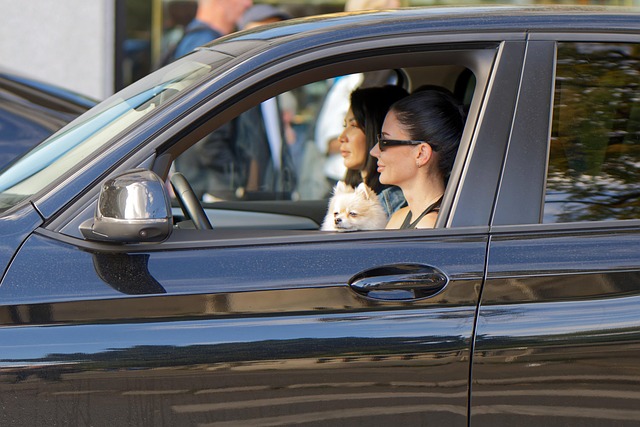
Why Heat Risk Happens So Quickly in Cars
Many owners underestimate how fast vehicle temperatures change. A parked car functions like a greenhouse. Sunlight enters through windows, warms interior surfaces, and traps heat inside.
Even when outside air feels moderate, interior temperatures can climb rapidly. Dogs are especially vulnerable because they regulate heat primarily through panting rather than sweating. When airflow is limited or humidity is high, cooling becomes difficult.
Once a dog’s body temperature rises beyond normal range, heat stress can progress quickly. Early signs may include:
-
Heavy panting
-
Restlessness
-
Drooling
-
Lethargy
Without intervention, heat stress can escalate to organ damage or heatstroke. Climate control systems help prevent this chain of events — but only if they function continuously and effectively.
Common Mistakes Owners Make with Dog Mode
Technology can create a false sense of security. Several misunderstandings appear repeatedly among pet owners.
Assuming unlimited safe time
Dog Mode is designed for short absences, not extended parking. The longer a dog remains alone, the more opportunity exists for temperature shifts, battery depletion, or anxiety.
Ignoring environmental conditions
Parking in direct sunlight forces climate systems to work harder. Interior surfaces absorb heat faster than many owners expect.
Relying on display messages alone
An external screen message does not guarantee comfort. It only indicates that climate control is running — not that the dog is calm or stress-free.
Using Dog Mode for anxious dogs
Some dogs experience distress simply from being alone in a confined space, regardless of temperature. Climate control cannot prevent behavioral stress.
Not monitoring system status remotely
Many vehicles allow owners to check cabin temperature from a smartphone. Failing to monitor removes an important safety layer.
Responsible Use of Dog Mode
Dog Mode works best when treated as one safety tool among several, not a standalone solution.
Reasonable precautions include:
-
Parking in shade whenever possible
-
Limiting absence to brief errands
-
Checking the pet frequently
-
Monitoring cabin temperature remotely if available
-
Avoiding use during extreme weather
-
Considering the dog’s temperament and health
These measures reduce the chance that environmental or technical factors will place the pet at risk.
When Dog Mode May Not Be the Right Choice
In some situations, leaving a dog in any parked vehicle — even with climate control — may not be advisable.
This includes:
-
Very young, elderly, or medically vulnerable dogs
-
Breeds prone to overheating
-
High humidity conditions
-
Long errands or unpredictable delays
-
Dogs with separation anxiety
-
Areas where temperatures fluctuate rapidly
In these cases, alternative arrangements such as bringing the dog inside or leaving them at home may offer safer outcomes.
Understanding the Real Benefit
Dog Mode represents a meaningful improvement in vehicle design for pet owners. By maintaining stable temperatures and informing others that a pet is protected, it reduces one of the most common risks associated with leaving dogs in cars.
Yet technology cannot replace attentive care. Climate control prevents overheating or chilling, but it does not address emotional stress, system failure, or environmental extremes.
A Clear Takeaway
Cars with Dog Mode — especially those designed specifically for pet safety — can help protect dogs during short, carefully managed absences. The feature is most effective when combined with thoughtful planning, environmental awareness, and regular monitoring.
Responsible pet care depends less on the presence of a feature and more on how it is used. Technology can support safety, but informed decision-making remains the most reliable protection a dog has.