
As a licensed veterinarian practicing in Texas for over a decade, I’ve had countless clients walk into my exam room worried because their cat “just hides all the time.” Sometimes the cat is tucked behind a washing machine. Sometimes it’s under a bed and refuses to come out for hours. Occasionally, it has wedged itself so tightly into a kitchen cabinet that the owner has to dismantle part of the shelving to reach it.
In my experience, hiding is one of the most misunderstood feline behaviors. It can be perfectly normal. It can also be the earliest sign that something is wrong. The key is context.
Hiding Is a Survival Instinct, Not a Personality Flaw
Cats are both predators and prey. That dual role shapes their behavior in ways many dog owners find confusing. A dog in distress may whine or seek comfort. A cat in distress often disappears.
I explain to clients that hiding is hardwired. A vulnerable cat instinctively seeks small, enclosed spaces to feel protected. That’s why cardboard boxes are irresistible. It’s also why a stressed cat gravitates to the back of a closet or under a bed frame where only a few inches of clearance exist.
I once treated a young indoor cat whose family had just brought home a newborn baby. The household had become louder overnight—crying, visitors, and rearranged furniture. Within days, the cat stopped lounging in its usual sunny window and began living behind the dryer. The owners feared depression. In reality, the cat was overwhelmed by environmental change. Once we set up a quiet room with a litter box, food, and vertical shelving away from the activity, the hiding decreased dramatically over a few weeks.
That situation wasn’t about illness. It was about stress.
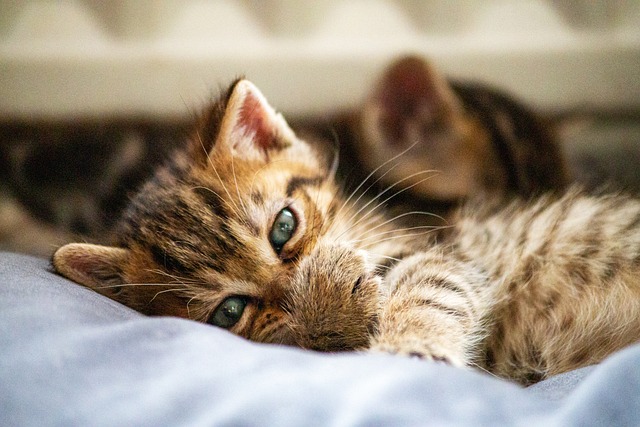
When Hiding Signals of Illness
That said, I become concerned when a normally social cat suddenly withdraws.
A few years ago, a long-time client brought in her 8-year-old cat, who had started hiding under the guest bed. This was unusual for him—he typically greeted visitors and followed her from room to room. She almost canceled the appointment because he was still eating a little. I’m glad she didn’t.
On exam, he had a fever and abdominal pain. Bloodwork later confirmed pancreatitis. His only outward behavioral change had been hiding.
Cats are subtle. They don’t advertise pain the way people expect. In my clinical experience, sudden hiding paired with even small changes in appetite, grooming, litter box habits, or energy level deserves medical attention.
I advise owners to look for patterns like:
- A sociable cat who abruptly avoids interaction
- Hiding combined with reduced appetite
- Increased time spent under furniture without normal nighttime activity
- Neglecting grooming, resulting in a scruffy coat
If hiding is new and out of character, I recommend a veterinary exam sooner rather than later. I would much rather rule out a problem than see a cat in crisis days later.
Stress-Related Hiding: The Most Common Cause I See
Most of the hiding cases I deal with are stress-related. New pets, home renovations, visiting relatives, and even rearranging furniture can trigger it.
One memorable case involved a couple who had installed new hardwood floors. The smell, the noise from the installation, and the unfamiliar texture underfoot caused their otherwise confident cat to retreat to the top shelf of a closet. The cat stayed there for nearly a week, coming down only at night to eat.
They were worried something neurological had happened. But once the environment stabilized and we added pheromone diffusers along with predictable feeding times, the cat gradually resumed normal behavior.
Cats rely heavily on predictability. They are creatures of routine. Even subtle environmental disruptions can push a sensitive cat into hiding.
In those cases, my advice is practical:
Create a designated safe space rather than trying to drag the cat out. Provide:
- A covered bed or box in a quiet area
- Easy access to food and water
- A litter box nearby
- Vertical options like shelves or cat trees
And most importantly, avoid forcing interaction. Pulling a frightened cat out of hiding almost always reinforces fear.
The Mistake I See Most Often
The most common mistake I encounter is owners unintentionally escalating the situation.
They block off all hiding spots, believing it will “force” the cat to adjust. Or they repeatedly retrieve the cat from under the bed to “socialize” it. From the cat’s perspective, this confirms that nowhere is safe.
I remember a rescue cat adopted by a young family. The cat hid behind the couch for days. The children kept reaching in to grab her. By the time I saw the cat for a wellness exam, she was defensive and swatting—behavior the family interpreted as aggression.
The issue wasn’t temperament. It was a lack of decompression time.
I advised them to allow the cat a single quiet room for two weeks, limit handling, and let the cat approach voluntarily. Within a month, she was sleeping on the back of the sofa instead of behind it.
Patience often resolves what pressure worsens.
Multi-Cat Homes and Social Hiding
In multi-cat households, hiding can indicate social tension.
Cats don’t always fight openly. Sometimes one cat quietly blocks access to resources—staring, positioning near litter boxes, or hovering by food bowls. The subordinate cat may respond by hiding more frequently.
I’ve walked into homes where owners swear their cats “get along fine,” yet one cat lives primarily under a bed. After asking about feeding stations and litter box placement, it becomes clear that the environment favors the more confident cat.
In these cases, I recommend multiple litter boxes in separate areas, separate feeding zones, and vertical territory options. Simply adding another box in a different room can dramatically reduce hiding.
Aging Cats and Increased Withdrawal
Older cats often hide more due to arthritis, cognitive changes, or declining vision and hearing.
I treated a senior cat last spring who had started sleeping in a bathroom cabinet. The owner assumed it was a quirky new preference. On examination, the cat had significant joint pain. The cabinet provided warmth and stability. After starting pain management, the cat returned to resting in her usual window perch.
Senior hiding is rarely random. It usually has a physical explanation.
If your older cat is withdrawing, I strongly encourage a veterinary evaluation focused on pain assessment. Subtle stiffness is easy to miss at home.
When Hiding Is Just Personality
Not every hiding cat is stressed or sick.
Some cats are simply more reserved. I have patients who have hidden during every annual exam for years and are perfectly healthy at home. Breed tendencies and early socialization play roles. Cats with limited exposure to people during kittenhood are often more prone to retreating.
The difference is consistency. A cat who has always preferred quiet corners and still eats, plays, and uses the litter box normally is usually fine.
I caution against trying to turn an introverted cat into a social butterfly. Respecting temperament prevents unnecessary stress.

How I Advise Clients to Respond
If hiding appears suddenly, especially with other changes, schedule a veterinary visit.
If hiding follows a clear stressor—new pet, move, guests—focus on stability and safe spaces rather than intervention.
Monitor appetite, litter box habits, and grooming. Those details tell me far more than how many hours a cat spends under a bed.
Above all, observe your individual cat’s baseline behavior. Owners who know what is normal for their pet are the ones who catch problems early.
After years in practice, I’ve learned that hiding itself isn’t the problem. It’s the context around it that matters. A cardboard box can be a sanctuary or a warning sign. The difference lies in understanding the story your cat’s behavior is trying to tell.