
Everything You Need To Know
As a licensed veterinarian practicing for more than a decade, I’ve had countless pet owners ask me about the meaning behind a cat’s purr. Most people assume it always signals happiness, and sometimes it does. But after years of examining cats in clinics, emergency rooms, and even during routine house calls, I’ve learned that purring can carry several very different messages.
A cat’s purr is one of the most misunderstood sounds in the animal world. It can express comfort, anxiety, pain, or even a request for food. Understanding the context matters far more than the sound itself.
The Biology Behind a Cat’s Purr
From a medical standpoint, purring is produced by rapid vibrations of the muscles in a cat’s larynx and diaphragm. These muscles contract and relax repeatedly as the cat breathes in and out, creating that familiar rhythmic vibration.
In healthy adult cats, the frequency usually falls somewhere between 25 and 150 hertz. What fascinates veterinarians is that this frequency range overlaps with vibration levels known to promote tissue healing and bone growth. I’ve always found that detail remarkable, because it may explain why cats often purr during recovery from injury.
In the clinic, I’ve listened to that sound thousands of times while performing physical exams. The key thing I tell owners is this: purring is not a simple emotional signal. It’s more like a communication tool cats use in different situations.
The Classic Reason: Contentment
The situation most cat owners recognize is the relaxed, content purr. This typically happens while a cat is being petted, resting beside its owner, or kneading a blanket.
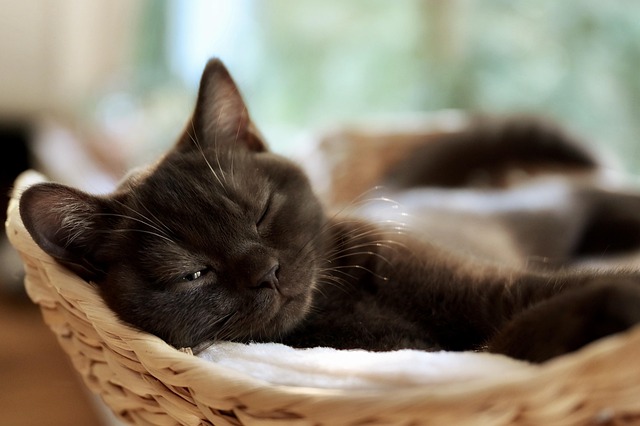
One of my own cats does this every evening. She curls up next to me while I’m reviewing patient notes and starts purring before she even settles down. Her body language makes the message obvious—half-closed eyes, relaxed posture, slow blinking.
In my experience, the contentment purr tends to be steady and soft. The cat’s body language is loose rather than tense. When clients describe that type of purring, I rarely worry about it.
But the confusion starts when people assume all purring means the same thing.
Why Cats Sometimes Purr When They’re Sick
Early in my career, I treated a senior cat brought in for severe dehydration and kidney disease. What surprised the owner was that the cat had been purring constantly at home, leading them to believe she was feeling fine.
In reality, the cat was extremely ill.
This is something I see often. Cats sometimes purr when they’re frightened, injured, or in pain. It’s thought to be a form of self-soothing, similar to how some people hum or rock when they’re stressed.
In a veterinary clinic, this can make exams tricky. A cat might sit on the exam table purring loudly while its heart rate and breathing clearly indicate distress. Experienced veterinarians learn to look beyond the sound and focus on posture, eye dilation, and overall behavior.
So if a normally quiet cat suddenly starts purring constantly while acting lethargic, hiding, or refusing food, I take that seriously.
A Mother Cat’s Communication Tool
One of the first sounds kittens ever recognize is their mother’s purr. I’ve observed this many times while working with litters brought in for early wellness checks.
Newborn kittens are blind and deaf for the first several days of life. They rely heavily on vibration and scent to find their mother. A mother cat’s purring acts almost like a beacon that helps guide them to warmth and milk.
A breeder I worked with several years ago once brought in a litter that had been struggling to nurse. While examining them, the mother climbed into the carrier and began purring loudly. Within seconds, the kittens started crawling toward her belly.
Moments like that make the purring communication role incredibly clear.
The “Feed Me” Purr
Not all purrs are subtle. Some cats develop a very specific purr designed to get their owner’s attention.
A client once brought up something she called her cat’s “breakfast alarm.” Every morning around sunrise, the cat would jump on her chest and produce a loud, urgent purr mixed with short meows. Feeding the cat immediately stopped the noise.
That behavior is well documented. Researchers have found that some cats blend a higher-pitched sound into their purr when they want food or attention. Humans are particularly sensitive to that frequency, which is probably why it’s so effective.
After seeing this pattern with many patients, I’ve started advising owners not to reward it if it becomes disruptive. Otherwise, the cat quickly learns that persistent purring equals breakfast.
Purring During Stress or Vet Visits
One thing that surprises people is how often cats purr during veterinary exams.
You might expect hissing or growling, but many cats do the opposite. They sit still, vibrate like a small engine, and stare at everything in the room.
Years ago, I examined a rescued stray that purred nonstop while we treated a deep paw injury. The sound was so loud that it almost masked the stethoscope. Yet the cat’s body was tense, and its pupils were wide with fear.
That kind of purring isn’t happiness. It’s closer to emotional self-regulation.
Cats rely on subtle coping behaviors when they feel vulnerable, and purring seems to be one of them.
When Owners Misread the Signal
A mistake I often see is interpreting purring as permission to keep interacting with a cat.
For example, a client once told me her cat bit her suddenly while she was petting it—even though it had been purring. After asking a few questions, the situation became clear. The cat had been overstimulated.
Cats sometimes purr during petting, but still reach a threshold where they’ve had enough. The tail starts twitching, ears rotate backward, and then the bite comes.
The lesson I always share is to read the entire body, not just the sound.
What I Tell Cat Owners to Watch For
After examining thousands of cats over the years, I’ve learned that purring only makes sense when you look at the full picture. Sound alone doesn’t tell the whole story.
I usually suggest paying attention to a few surrounding clues:
- Body posture
- Eye shape and pupil size
- Tail movement
- Appetite and activity level
A relaxed cat with a loose posture and slow blinking usually expresses comfort. A rigid cat with wide pupils may be purring for very different reasons.
Veterinary medicine often involves reading subtle signals, and purring is one of the most nuanced.
Why the Sound Fascinates Veterinarians
Even after years in practice, I still find purring fascinating. It’s one of the few animal vocalizations that can express multiple emotional states without changing much in tone.
There are days in the clinic when the room is filled with the low vibration of several cats at once. Some are calm, some are nervous, some are recovering from surgery. Yet the sound is nearly identical.
That’s why I always remind owners that purring isn’t a simple on-off switch. It’s a versatile form of communication—and sometimes a form of therapy cats provide for themselves.
Understanding that difference can help owners notice when their cat truly feels relaxed and when it might need closer attention.