
I’ve been a licensed veterinarian practicing for more than a decade, and one of the most common — and most frustrating — complaints I hear from cat owners is about inappropriate urination. A surprising number of those cases involve a female cat repeatedly urinating on the owner’s bed.
If you’re dealing with this problem, you’re not alone. Many clients have shared their frustration and exhaustion with this issue. The good news is, this behavior almost always has a cause. In my experience, there is nearly always a medical or environmental reason behind it.
Identifying why your cat is urinating on the bed is critical to resolving this behavior.
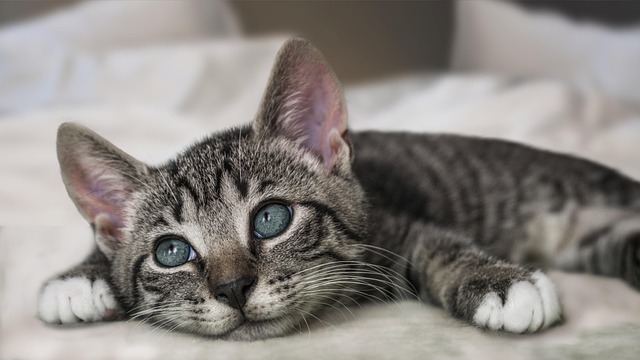
Why the Bed Becomes the Target
Your bed might seem like a strange place for urination, but from a feline perspective, it makes sense. Beds are soft, absorbent, and saturated with the owner’s scent.
Cats often choose spots with strong owner scent because they feel safe. Unfortunately, stress, illness, or litter box issues can combine with security to create a habit that’s difficult to break.
I remember a case from last spring involving a young female cat who had suddenly begun urinating on her owner’s duvet every few days. The owner assumed it was behavioral. After a quick exam and urine test, we discovered a urinary tract infection. The cat associated the litter box with pain, so she began searching for other soft places to relieve herself. Once the infection was treated, the problem disappeared within a week.
That kind of scenario happens far more often than most people realize.
Medical Issues Are the First Thing I Check
Whenever a cat starts urinating outside the litter box, my first concern is a medical problem. Even if the behavior looks intentional, pain or discomfort can easily be the underlying cause.
Urinary tract infections are common in female cats and can cause frequent urination, urgency, and accidents outside the box. Bladder inflammation, which veterinarians often call feline idiopathic cystitis, is another major culprit.
I once saw an older indoor cat whose owner believed she was “acting out” after a new baby arrived. The timing seemed convincing, but diagnostic tests told a different story. The cat had bladder inflammation, which made urination painful. Once the condition was treated and her stress reduced, the bed-peeing stopped.
Other medical possibilities include:
- Urinary tract infections
- Bladder inflammation (feline cystitis)
- Kidney disease in older cats
- Diabetes
- Arthritis that makes climbing into a litter box painful
For that reason, I rarely recommend behavioral fixes until a veterinarian has ruled out medical causes.
Stress and Anxiety in Female Cats
If medical tests come back normal, the next place I look is stress. Cats are extremely sensitive to changes in their environment. Even small disruptions can trigger unusual behaviors.
In households I’ve worked with, the triggers are often surprisingly subtle. A new pet, rearranged furniture, a visiting relative, or even construction noise outside the home can create enough anxiety for a cat to change its bathroom habits.
Cats urinate on beds to mix their scent with yours, often as a comfort response to stress.
A client once told me her cat started peeing on the bed only when she traveled for work. The pattern wasn’t obvious until we talked through her schedule. The cat’s accidents occurred within a day or two of the owner leaving home. The scent of the bed likely provided comfort during those periods of separation.
Simple changes, such as adding a familiar item to the cat’s environment and adjusting the litter box setup, can resolve stress-related urination. These actions offer practical, actionable steps for owners facing similar problems.
Litter Box Problems Many Owners Miss
Over the years, I’ve learned that many litter box problems are invisible to the owner. Cats can be extremely picky about their bathroom conditions.
A common mistake I see involves litter box cleanliness. Cats have a much stronger sense of smell than we do. A box that seems reasonably clean to us may feel unacceptable to them.
I’ve visited homes where the cat had access to only one litter box in a busy laundry room, right next to a loud dryer. The owner wondered why the cat preferred the bed upstairs. From the cat’s point of view, the choice was obvious.
In many situations, small adjustments solve the problem:
- Adding more litter boxes
- Moving them to quieter locations
- Scooping more frequently
- Switching litter types
If your cat continues to avoid the litter box, consider the box’s size and type. Many cats need unscented litter and an easy-access box. These details can make a significant difference.
One memorable case involved a senior female cat that stopped using her litter box after years of perfect habits. Her owner assumed it was behavioral, but the real issue was arthritis. The sides of the box had become difficult for her to climb. Once we switched to a lower-entry box, she returned to normal almost immediately.
Territorial Marking in Female Cats
Many people assume only male cats mark territory, but females can do it too. This behavior is especially common in unspayed cats, though I occasionally see it in spayed females as well.
Marking often appears after changes in the home environment. A new pet, outdoor cats visible through the window, or even unfamiliar smells brought in on clothing can trigger it.
Beds are prime targets because they hold a strong human scent. From the cat’s perspective, marking there reinforces the territory shared with her owner.
I’ve worked with households where installing simple window film to block the view of neighborhood cats dramatically reduced marking behavior.
Scent Residue Keeps the Behavior Going
Another detail many owners underestimate is how persistent cat urine scent can be. Even when the bedding looks clean, a cat’s nose may still detect the smell.
If the odor remains, the cat may continue returning to the same spot. Ordinary household cleaners rarely remove the scent completely.
Use only enzymatic cleaners to remove cat urine scent from bedding and surfaces. This step is crucial to stop repeated accidents and prevent scent-triggered relapses.
Why Punishment Makes the Problem Worse
Owners understandably feel frustrated when this happens repeatedly. I’ve seen people try shouting, spraying water, or pushing the cat toward the litter box after an accident.
Unfortunately, punishment rarely solves the problem and often makes it worse. Cats don’t connect discipline with past behavior the way dogs sometimes do. Instead, they associate the punishment with the person delivering it.
That added stress can increase anxiety and lead to even more inappropriate urination.
A calmer approach works far better: identify the cause, fix the environment, and give the cat time to rebuild good habits.
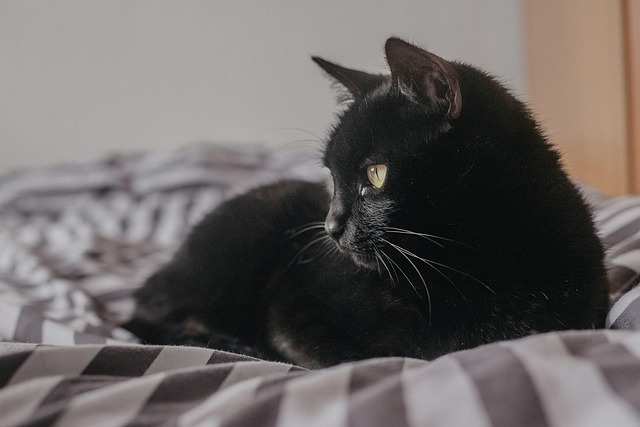
When the Pattern Needs Professional Help
If a female cat continues peeing on the bed despite medical treatment and litter box improvements, a deeper behavioral evaluation may be necessary.
Veterinarians sometimes work with feline behaviorists in these cases. Anti-anxiety medication, environmental changes, and structured routines can help cats that struggle with chronic stress.
I’ve seen several difficult cases improve with a combination of environmental adjustments and short-term medication. These situations can feel overwhelming at first, but they are rarely hopeless.
A Behavior That Usually Has an Explanation
Most female cats that urinate on beds are responding to stress, discomfort, or an environmental issue—not being defiant.
Over the years, I’ve seen many owners go from feeling defeated to relieved once they understand the reason behind the behavior. With the right diagnosis and a few thoughtful changes, many cats return to normal litter box habits.
Approach the issue as your cat’s way of signaling a problem and focus on finding the true cause.