
Everything You Need to Know
I’ve been working as a professional dog trainer and behavior consultant for over a decade, and crate accidents are among the problems that frustrate owners quickly. I still remember a client who brought in a young Labrador that would soil his crate almost every single night. They had tried everything they read online, but nothing stuck. The issue wasn’t the dog being “stubborn.” It was a mix of timing, setup, and stress signals they didn’t recognize.
If your dog is pooping in the crate, it’s not random. There’s always a reason. Once you identify that reason, the solution becomes much clearer.
The First Thing I Check: Timing, Not Training
In my experience, most crate accidents aren’t because the dog “forgot” house training. They happen because the dog physically couldn’t hold it.
Puppies are the obvious case. A 3-month-old simply doesn’t have the control yet. But I’ve also seen adult dogs struggle when their schedule doesn’t match their digestion.
One client’s rescue dog kept pooping early in the morning. They thought it was anxiety, but feeding him late at night and crating him after was the cause. His body was just following its schedule.
When we moved feeding earlier and added a short walk before bedtime, the accidents stopped within days.
Crate Size Matters More Than People Think
Dogs naturally avoid soiling where they sleep. That instinct is powerful—but only if the crate is the right size.
If the crate is too large, dogs may poop in one corner and sleep in another. I’ve seen crates more like small rooms than dens.
What I usually recommend:
- The dog should be able to stand, turn around, and lie down comfortably.
- No extra space for a “bathroom corner.”
I once worked with a German Shepherd whose owners upgraded to a bigger crate “for comfort.” That’s when the accidents started. We added a divider to reduce the space, and the problem disappeared almost immediately.
Stress and Separation Anxiety Are Real Triggers
Not every case is about timing or space. Some dogs poop in crates because they’re stressed.
You can usually tell the difference. These dogs don’t just poop—they panic. You might see:
- Scratching or biting at the crate
- Excessive drooling
- Whining or barking before the accident
I worked with a dog last spring who would soil the crate within minutes of the owner leaving. That wasn’t a bathroom issue—it was anxiety. We didn’t fix that with more potty breaks. We fixed it by changing how the dog felt about being alone.
We started with very short separations, built positive associations with the crate, and avoided forcing long crate sessions too quickly. It took a few weeks, but the accidents stopped once the panic stopped.
Feeding Routine: The Overlooked Factor
Most owners don’t connect feeding habits with crate accidents, but I always look at this closely.
Dogs typically need to poop within 10–30 minutes after eating. If that window happens while they’re crated, accidents are almost guaranteed.
A routine I often suggest:
- Feed at consistent times daily.
- Allow enough time for digestion before creating.
- Always give a potty break after meals.
I’ve had clients who fed their dogs and immediately left for work. The result? A predictable mess every day. Once they adjusted feeding time—even by an hour—the issue improved dramatically.
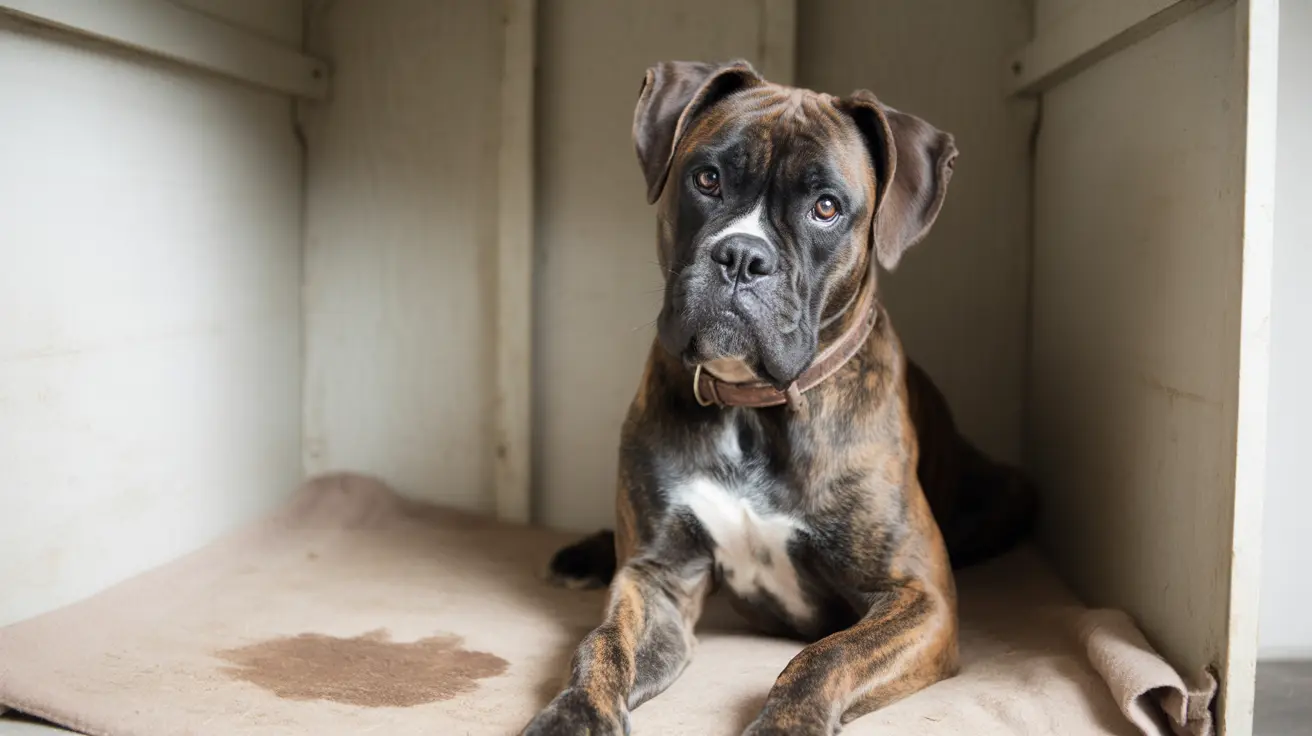
Clean-Up Mistakes That Keep the Problem Going
Here’s something I see all the time: the crate gets cleaned, but the smell stays.
Dogs have a much stronger sense of smell than we do. If they can still detect odor, they’re more likely to use that same spot again.
Always use an enzymatic cleaner, not just regular soap or disinfectant. This breaks down the scent at a molecular level.
I remember a case where everything else was done right—schedule, crate size, routine—but accidents kept happening. The turning point was switching cleaning products. That alone stopped the repeat behavior.
Avoid This Common Reaction
It’s frustrating to find a mess in the crate. I get it. But punishment after the fact doesn’t work.
Dogs don’t connect delayed punishment with past behavior. They just learn that you’re unpredictable around the crate.
I’ve seen dogs become even more anxious because of this, worsening the problem.
Focus on prevention and setup. If a dog is having accidents, adjust something in the system—not punish the dog.
When I Know It’s a Medical Issue
Occasionally, the cause isn’t behavioral at all.
If a dog suddenly starts pooping in the crate after being reliable, I look for these medical cues: frequent or sudden changes in stool consistency, increased urgency, straining, or other changes like lethargy or appetite loss.h:
- Digestive issues
- Parasites
- Food intolerance
I once worked with a dog who suddenly developed crate accidents. It turned out to be a dietary issue causing loose stools. Once the diet was corrected, the problem resolved without any changes to training.
What Actually Works Long-Term
After working with hundreds of dogs, I’ve found that success comes down to consistency more than anything else.
A well-timed routine, the right crate setup, and understanding your dog’s signals will solve most cases. The key is not to treat all crate accidents the same. Each dog has a different reason—and once you identify it, the solution becomes straightforward.
The Labrador I mentioned earlier? Within two weeks of adjusting his routine and crate setup, he stopped having accidents entirely. Not because we trained harder, but because we finally matched his needs.
That’s the shift that makes the difference.