
What Years in Veterinary Practice Have Taught Me
It’s usually normal feline behavior, not a cause for alarm.
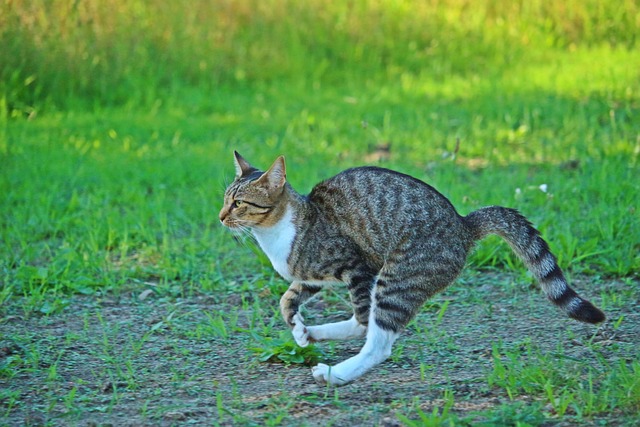
I’ve lost count of how many times a worried owner has brought this up during a routine visit: “My cat suddenly sprints across the house, bounces off furniture, and looks completely possessed. Is something wrong?”
After more than a decade working as a small-animal veterinarian, I can assure you—most of the time, nothing is wrong at all. These energetic sprints are a healthy and normal part of a cat’s life.
But some important details become clear only after seeing this pattern in many homes. Plus, there are situations when these episodes may indicate something more serious.
The “Zoomies” Are Real—and They’re Usually Healthy
We call these sudden bursts of energy “FRAPs”—Frenetic Random Activity Periods. Most people just call them zoomies.
In my experience, they tend to happen for a few predictable reasons:
- Built-up energy, especially in indoor cats
- Natural hunting instincts are kicking in.
- A sudden spike in excitement or stimulation
Cats are wired as predators. Even if your cat spends all day lounging on a sofa, their brain is still programmed to stalk, chase, and pounce. When that instinct doesn’t get used gradually throughout the day, it tends to come out all at once—in a full-speed sprint down your hallway.
Last winter, a client thought her cat had a neurological issue due to nightly zoomies. The cat spent days alone with no stimulation. We added two short play sessions, and the wild behavior soon lessened.
Timing Matters More Than You Think
If your cat seems to go wild at specific times—especially early morning or late evening—that’s not random.
Cats are crepuscular, meaning they’re most active at dawn and dusk. Those bursts of energy are essentially your cat saying, “This is when I’m supposed to be hunting.”
In many multi-cat homes, like one I visited, cats routinely chase each other at sunset. The owners thought it was fighting, but it was coordinated play—stalking, ambushing, and sprinting in turns.
Once you recognize the timing, it stops feeling chaotic and starts making sense.
Sometimes It’s About the Litter Box—Yes, Really
This is one detail many people overlook.
Some cats sprint out of the litter box as they’ve just escaped danger. It can look hilarious, but there’s often a reason behind it.
In my practice, I’ve seen this tied to:
- Relief after using the bathroom
- Sensitivity or mild discomfort
- A desire to “escape the scene” (a natural instinct in the wild)
A client brought in a young cat that always bolted from the litter box. The cat had mild constipation. After adjusting its diet and hydration, the sprinting decreased.
If it happens occasionally, I don’t worry. If it happens every single time, it’s worth a closer look.
Overstimulation Can Flip a Switch
Cats have a lower tolerance for stimulation than most people realize.
Petting, play, or even environmental changes can push them past a threshold. When that happens, they may suddenly dart away, run wildly, or act erratically.
I’ve personally made this mistake. Early in my career, I was examining a very calm cat during a routine checkup. Everything seemed fine—until it suddenly launched off the table and sprinted across the room. No warning, no buildup. I later realized I had been handling it a bit too long without a break.
At home, this can happen during extended play sessions or even while cuddling. The cat isn’t “going crazy”—it’s releasing pent-up stimulation.
When It’s More Than Just Normal EnerMost of the time, these episodes are harmless. However, there are some specific warning signs that suggest your cat’s behavior could be more than just normal energy and may require veterinary attention.
If the behavior comes with any of the following, I take it more seriously:
- Sudden aggression or fearfulness
- Vocalizing in distress (not playful sounds)
- Running is paired with hiding or avoiding contact.
- Changes in appetite or litter box habits
- Episodes that seem disoriented rather than energetic
A cat’s zoomies were early signs of a flea infestation. Treatment stopped the behavior.
In rarer cases, neurological issues or pain can cause similar behavior—but those situations almost always come with additional symptoms.
What I Usually Recommend to Owners
When someone asks me how to “fix” this behavior, my answer is usually simple: you don’t need to fix it—you need to channel it.
Cats need structured outlets for their energy. Without that, they’ll create their own.
I typically suggest:
- Short, intense play sessions using wand toys or laser pointers
- Feeding schedules that mimic hunting cycles (play before meals)
- Environmental enrichment—climbing spaces, window views, interactive toys
One client tried ten minutes of evening play before dinner. Within a week, their cat stopped midnight sprints—the energy was used during play.
The Behavior Is Often a Good Sign
Here’s something I tell people that usually surprises them: a cat that runs around like a maniac is often a healthy, mentally stimulated cat.
Lethargy worries me far more than zoomies.
If your cat never runs, never plays, and never shows bursts of energy, that’s when I start asking more questions.
So while it may feel chaotic—or even alarming at first—those wild sprints are usually just your cat expressing exactly what it was designed to do. Remember: most of the time, this behavior means your cat is healthy and happy.
And once you’ve seen it enough times, it stops looking like madness and starts looking like instinct in motion.