
Cats are mysterious, and their behaviors can puzzle even attentive owners. Kneading, where a cat pushes its paws in and out against a soft surface, is often paired with purring and calm body language. Though it may seem cute or odd, kneading has deep roots in a cat’s instincts and emotions. Understanding why cats knead helps owners respond to this natural behavior effectively.
The Origins of Kneading in Cats
Kneading is a behavior that cats inherit from their wild ancestors and from experiences in kittenhood. Kittens knead their mother’s belly to stimulate milk flow during feeding. This instinctual action carries into adulthood, even when cats are no longer nursing. It often represents comfort, security, and contentment. Some experts suggest that kneading may also help cats stretch their muscles and sharpen their claws in preparation for hunting.
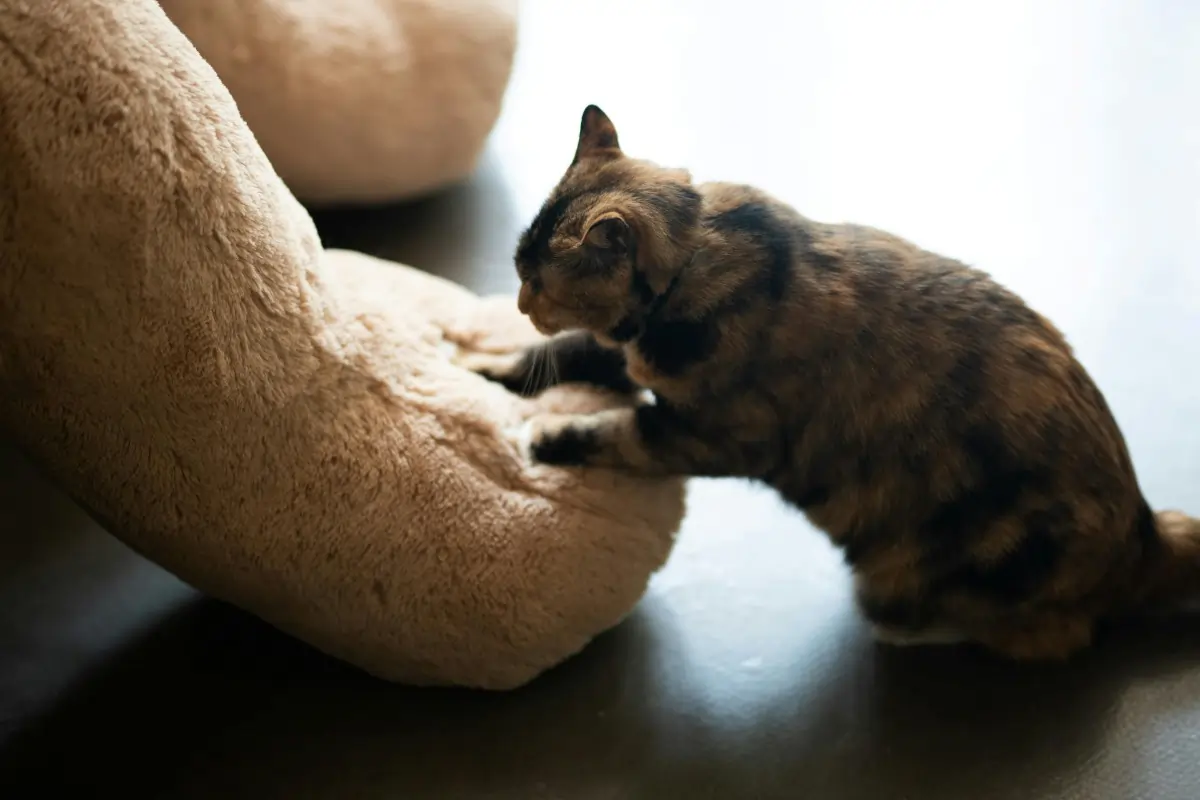
Adult cats often knead soft surfaces, such as blankets, pillows, or their owner’s lap. Observing this behavior can give insight into their emotional state. Kneading is not just random; it signals that your cat feels safe and relaxed in their environment. Cats may also use kneading to mark territory, as their paw pads have scent glands. These subtle clues help explain why cats choose specific spots for this behavior.
Why Cats Knead Humans and Objects
Cats knead for multiple reasons beyond comfort and nostalgia. They may knead humans to show affection and trust. When your cat presses its paws against your lap, it is a sign that they feel secure in your presence. They may even purr simultaneously, creating a strong sense of bonding. Resources like “Why Do Cats Knead?” provide detailed explanations of the emotional and instinctual motivations behind this behavior.
Kneading objects, such as blankets, serves practical and emotional purposes. It softens the surface for comfort, similar to wild cats preparing a resting spot. Some cats knead to relieve stress or release energy. Understanding when and why your cat kneads helps you interpret their needs and emotions. This subtle communication can be learned over time.
Many cats alternate between kneading and licking or nuzzling their humans, reinforcing affection and safety. Cats often knead after waking or while relaxed. These behaviors show security and attachment. Noticing these cues can strengthen your bond.
The Health Benefits of Kneading
Kneading offers physical and mental benefits. It stretches their paws, legs, and shoulders, helping flexibility and muscle tone. Regular kneading prevents stiffness, especially in older cats. It also releases endorphins, promoting relaxation and lowering stress. Cats that knead often are usually more content and confident.
Kneading can also help cats maintain their health. Pressing their paws against soft or semi-soft surfaces allows them to flex and sharpen their claws safely. manner. Some cats even alternate between kneading and light scratching to satisfy their natural instincts without damaging furniture. Monitoring your cat’s kneading habits can also provide insight into their overall well-being. Sudden changes in frequency or intensity may indicate stress, discomfort, or underlying health issues.
While kneading is generally beneficial, it is important to manage it to prevent accidental scratches. Keeping your cat’s nails trimmed can reduce the risk of injury to yourself or your furniture. Providing designated soft items for kneading, such as blankets or cushions, ensures they can safely satisfy their instinct. Encouraging proper kneading behavior promotes both the cat’s comfort and the owner’s peace of mind. Observing and supporting this behavior helps maintain a healthy and trusting relationship.
Interpreting Different Kneading Behaviors
Not all kneading is alike. Slow, rhythmic kneading shows contentment and relaxation. Fast or aggressive kneading can signal excitement, overstimulation, or stress. Cats who purr while kneading feel safe and happy. Watch body language for emotional clues and respond appropriately.
Some cats combine kneading with other behaviors, such as tail flicking, meowing, or rubbing their faces. Each combination tells a unique story about how they feel in the moment. For example, a cat kneading while resting on your lap may be expressing deep affection. Observing these patterns helps you better understand your cat’s personality. Cats communicate a lot through subtle actions, and kneading is a key part of that communication.
Offer your cat a comfortable space to encourage healthy kneading. Provide soft bedding, safe toys, and a stress-free area. Avoid punishing kneading—this creates anxiety. Guide them to safe places for kneading to support natural instincts and a strong bond.
Kneading iKneading is a multifaceted behavior that combines instinct, comfort, and communication. By observing patterns, contexts, and accompanying actions, owners can gain insight into their cat’s emotional world. The key takeaway is that recognizing and encouraging healthy kneading habits supports both a cat’s well-being and your bond with them. Encouraging safe and comfortable kneading opportunities allows cats to express themselves naturally while maintaining their well-being.
Understanding this behavior fosters a stronger connection and helps ensure your cat’s happiness and health. Your cat’s kneading can be calming and rewarding. It demonstrates trust and attachment to their environment and owners. By recognizing the various reasons behind kneading, you can provide better care and support. This simple, instinctual action enriches both the cat’s life and your relationship with them. Kneading is a reminder of the deep instincts that shape feline behavior every day.