
Pork is a common meat in many homes, and dog owners often wonder if they can share it with their pets. While dogs are known to enjoy meat, not all forms are safe or healthy. The way pork is prepared plays a big role in whether it is suitable for dogs. Understanding the benefits and risks can help you make better feeding choices.
Nutritional Value of Pork for Dogs
Pork contains protein, which helps support muscle growth and repair in dogs. It also provides essential vitamins, such as B12, and minerals, such as zinc. These nutrients can contribute to your dog’s overall health when given in proper amounts. Small portions can be useful.
Compared to other meats, pork has a higher fat content, which may be concerning for dogs that are prone to weight gain. For example, a 100-gram serving of pork can contain over 20 grams of fat, depending on the cut. In general, lean cuts offer a healthier alternative.
Pork should be an occasional treat, not a regular meal, as dogs need a balanced diet from various sources.
Is Pork Safe for Dogs to Eat
Many pet owners search online to find out whether pork is good for dogs before feeding it to their pets. These resources often explain that plain, cooked pork can be safe when given in moderation. They also warn against feeding seasoned or processed pork products.
Raw pork is not safe for dogs. It may contain parasites, such as Trichinella spiralis, which can cause illness. Cooking pork thoroughly kills these parasites and reduces the risk. Always serve it plain.
Avoid processed pork items like bacon or ham, as their salt and spices can harm dogs.
Health Risks Linked to Feeding Pork
Feeding large amounts of pork can cause digestive issues. Dogs may experience vomiting or diarrhea after eating fatty meat. This can happen quickly. Some dogs are more sensitive than others. Feeding dogs high-fat foods may also result in pancreatitis, a serious digestive condition. Keep an eye out for symptoms such as abdominal pain, loss of appetite, or lethargy, as veterinary care may be necessary.re.
Seasonings such as garlic, onions, and certain spices are toxic to dogs, even in small amounts. Plain pork is safest.
How to Feed Pork to Dogs Properly
If you choose to give your dog pork, preparation is crucial. Cook the meat fully without adding salt, oil, or spices. Remove any visible fat to reduce the risk of stomach upset. Serve it in small portions. Before serving, cut pork into bite-sized pieces to help your dog chew and digest it more easily. Large chunks may pose a choking hazard, so take your time preparing meals carefully.ls.
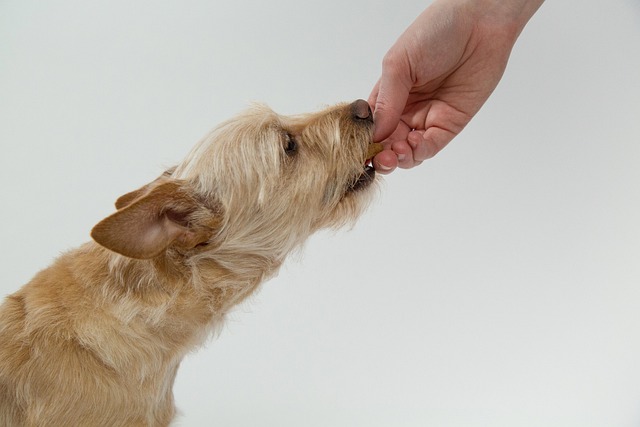
Introduce pork slowly in small amounts. Watch for reactions; if none, offer occasionally as a treat.
Here are a few safe feeding tips to remember:
- Always cook pork thoroughly before serving.
- Remove excess fat and avoid oily cuts.
- Do not add seasoning or sauces.
- Feed small portions once or twice a week.
When to Avoid Giving Pork to Dogs
Some dogs should not eat pork at all. Dogs with a history of pancreatitis or obesity need low-fat diets. Pork may worsen their condition. In such cases, other lean meats, such as chicken or turkey, are better choices.
Dogs with food allergies may also react to pork. Signs include itching, ear infections, or digestive upset. If you notice these symptoms after feeding pork, stop immediately. Consult a vet. Puppies have especially sensitive stomachs. Introducing rich foods like pork too early may cause issues, so stick to a balanced puppy food until your dog is older and more tolerant.
Handled with care and served in moderation, pork can become part of your dog’s diet. Focusing on proper preparation and portion size helps reduce risks. This balanced approach allows you to keep your dog healthy while offering occasional treats they enjoy.oy.