
Coconut oil has become popular among pet owners who want natural options for their cats. Some people use it for skin care, while others add small amounts to food. This raises an important question: do cats actually like it, and is it safe? Understanding your cat’s reaction and the effects of coconut oil can help you make better choices.
Do Cats Like the Taste and Smell?
Cats have a very different sense of taste compared to humans. They are obligate carnivores, which means they prefer meat-based flavors over plant-based products. Coconut oil has a mild, slightly sweet smell that may not appeal to every cat. Some cats ignore it completely.
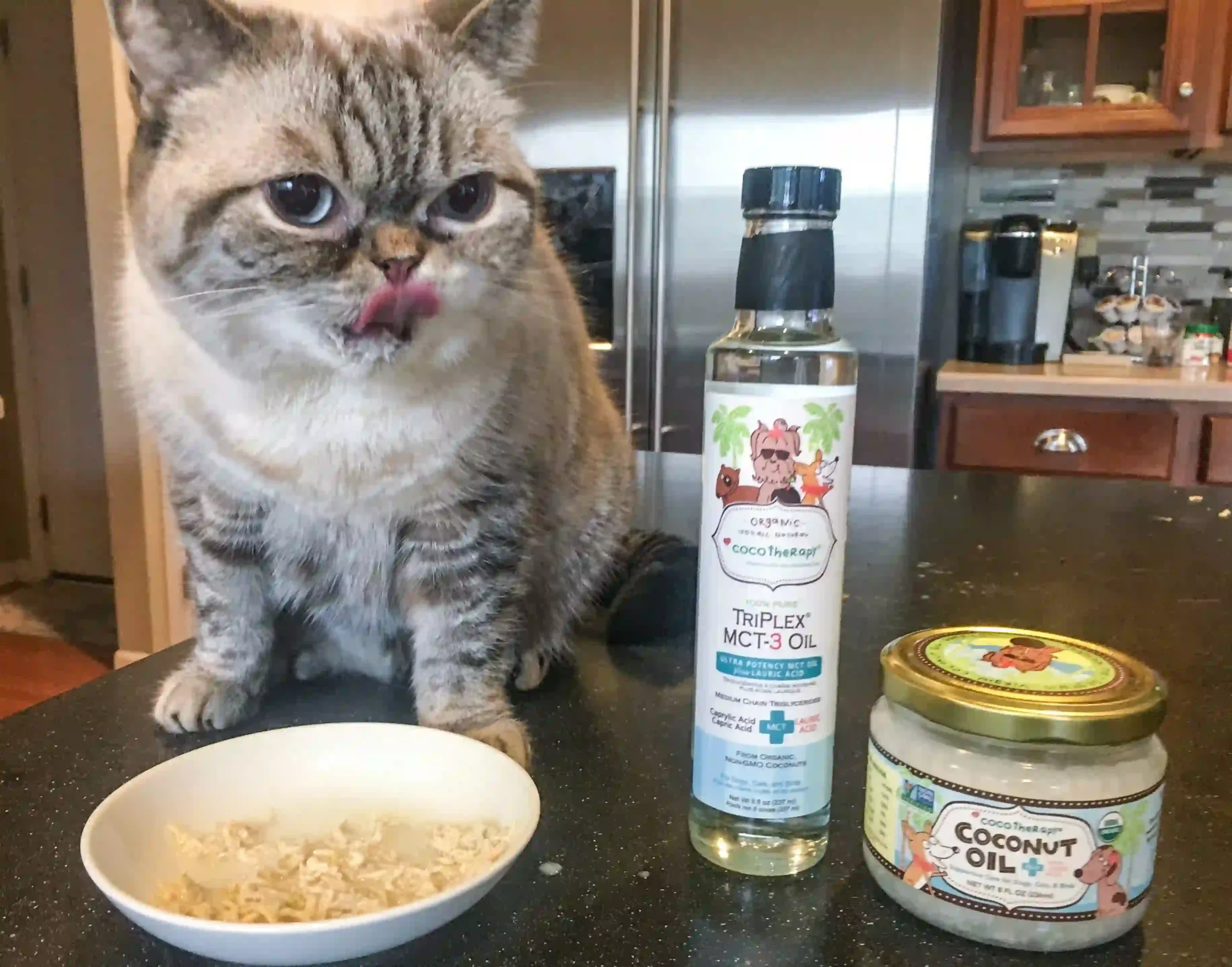
Some cats may show curiosity and lick small amounts, depending on their personality and previous exposure to new foods. Because cats are often picky, reactions to coconut oil vary widely.
Smell influences whether a cat accepts coconut oil. If the scent is too unfamiliar or strong, the cat may avoid it.
Is Coconut Oil Safe for Cats?
Coconut oil is generally safe for cats in very small amounts, but it should not be a regular part of their diet. It contains medium-chain fatty acids, which may offer some benefits, but excess can cause digestive problems. Moderation is important. Key takeaway: Only use coconut oil sparingly and watch for side effects.
Many pet care sources, including guides like do cats like coconut oil, explain that while coconut oil is not toxic, it is high in fat and calories, which can lead to weight gain or stomach issues if overused. This makes careful use necessary. Small portions work best.
Start with a tiny amount, like 1/8 teaspoon, and observe your cat. Stop if you notice vomiting or diarrhea.
Possible Benefits of Coconut Oil for Cats
Some pet owners use coconut oil for its potential benefits for the skin and coat. It may help reduce dryness and improve fur texture when applied externally. A small amount rubbed gently into the coat can add shine.
There are claims that coconut oil supports digestion or boosts energy, but these benefits have not been well proven in cats. While it contains useful fats, cats already get most of their nutritional needs from balanced cat food.
External use is more common than feeding. Applying coconut oil to dry skin or minor irritations may provide brief relief. Use as little as possible.
Risks and Side Effects to Consider
Even though coconut oil is natural, it still comes with risks if not used properly. High fat content can upset a cat’s stomach, especially if introduced suddenly. Some cats may develop diarrhea within a day.
Weight gain is another concern. Coconut oil is calorie-dense, and even small extra amounts can add up over time. For indoor cats with lower activity levels, this can become a problem.
Here are a few risks to keep in mind:
– Upset stomach within 24 hours
– Loose stool or diarrhea
– Increased calorie intake leading to weight gain
– Possible allergic reactions in rare cases
– Messy fur if overapplied externally
Pay close attention to your cat after the first use. Small reactions can indicate bigger issues later.
Best Ways to Introduce Coconut Oil
If you decide to try coconut oil, introduce it slowly and carefully. Start with a very small portion mixed into your cat’s regular food. This helps mask the smell and makes it easier for your cat to accept.
Another option is external use. Apply a tiny amount to dry areas of the skin and gently massage it in. Avoid using too much, as it can make the coat greasy and attract dirt.
Consistency matters. Using coconut oil once or twice a week is usually enough if your cat tolerates it well. Daily use is not necessary for most cats. Key takeaway: Limit use to occasional applications for safety.
When to Avoid Coconut Oil
There are situations where coconut oil should be avoided completely. Cats with a history of digestive issues may react poorly to high-fat substances. In these cases, even a small amount can cause discomfort.
Overweight cats should also avoid coconut oil unless advised by a vet. Extra calories can worsen weight problems and affect overall health. Keep diets controlled.
Kittens may have more sensitive systems. Introducing new foods at an early age should be done carefully and preferably under veterinary guidance. Young cats need balanced nutrition.
Coconut oil can be an interesting addition to your cat’s care routine, yet it is not essential for their health. Some cats may like it, while others may not show any interest at all. By using it carefully and observing your cat’s reaction, you can decide whether it fits safely into your pet’s lifestyle.