
Female cats have a reproductive cycle called “heat.” Unlike human menstruation, cats rarely bleed. The heat cycle involves hormonal changes preparing for mating and pregnancy. Owners often wonder how long this lasts and how to manage behavior. Understanding the cycle keeps your cat healthy and helps avoid unwanted pregnancies.
How Long Cats Stay in Heat
The heat cycle in cats generally lasts between three and ten days, but this can vary based on the individual cat and breed. Some cats may show signs for only a few days, while others may remain in heat for nearly two weeks. This cycle typically recurs every two to three weeks during the breeding season, which is usually from early spring to late fall. Cat owners often notice increased vocalization, restlessness, and affectionate behavior during this period.
For more guidance on what to expect and how to manage your cat’s behavior, check resources like “How Long Does a Cat’s Period Last,” which offers practical tips for owners dealing with cats in heat.
Heat cycles usually begin when a cat reaches sexual maturity, typically around 5 to 9 months of age. Indoor cats may experience cycles year-round due to artificial lighting and temperature control. Monitoring your cat closely during these periods can help identify any irregularities in the cycle. Observing her behavior allows you to respond appropriately and maintain her comfort throughout.
Signs Your Cat is in Heat
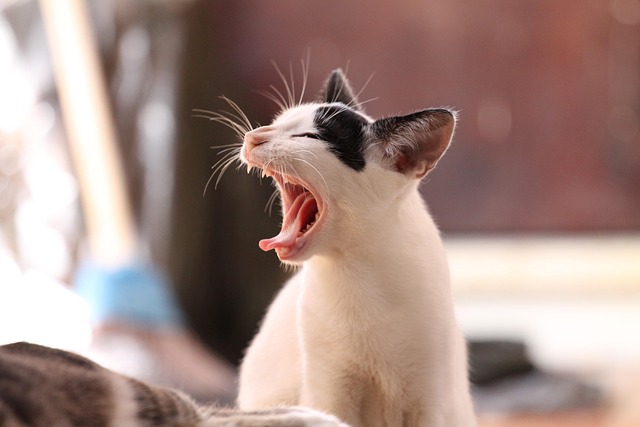
Cats exhibit a range of behaviors when in heat. They may meow or yowl excessively to attract mates. Rolling on the floor, rubbing against furniture, and frequent stretching are also common. Some cats become unusually affectionate, constantly seeking attention and petting. Male cats may be drawn to the scent of a female in heat, creating a stressful environment if multiple cats live together.
Physical signs can include a raised hindquarters posture and a slight change in vocal tone. Your cat may urinate more frequently and spray around the house to mark territory. These behaviors usually intensify during the peak days of the heat cycle. Understanding these signs helps owners provide appropriate care and prevent frustration for both the cat and household members.
Managing Your Cat During Her Heat Cycle
Providing a calm, comfortable space can help your cat manage the stress of her heat cycle. Offering cozy bedding and quiet areas allows her to rest without interruption. Some cats benefit from interactive toys and gentle play to release excess energy. A balanced diet and access to fresh water support her overall health. Avoid scolding your cat for natural behaviors, as this can increase anxiety and stress.
Many cat owners consider spaying to prevent heat cycles entirely. Spaying not only stops the heat cycle but also reduces the risk of certain reproductive cancers. It can also decrease roaming and aggressive behaviors linked to mating instincts. Consult a veterinarian for guidance on the appropriate timing and procedure. Responsible management ensures a healthier, happier life for your feline companion.
Frequency and Cycle Variations
Heat cycles may vary in frequency depending on age, breed, and environmental factors. On average, a cat may experience two to three heat cycles per season. Persian and Maine Coon cats sometimes have shorter or longer cycles than domestic shorthairs. Stress, illness, or changes in household routine can also alter the cycle’s length and intensity. Keeping a log of each heat period helps track patterns and detect abnormalities early.
Some cats experience silent heats, where behavioral signs are minimal, making it difficult to identify the cycle. Observing subtle changes in behavior and body language is key in these cases. Maintaining regular veterinary check-ups ensures reproductive health is monitored. Awareness of these variations allows owners to provide appropriate care and avoid unwanted pregnancies.
Understanding your cat’s reproductive cycle empowers you to respond thoughtfully and compassionately. By recognizing the signs, tracking duration, and providing comfort, you can make this natural process easier for your pet. Planning for spaying or preparing for seasonal cycles keeps your cat healthy and prevents potential complications. Observing your cat closely helps maintain a positive and safe environment throughout her cycles.