
I run a small dog boarding setup from my home, and over the years, I have seen all kinds of feeding habits come through my gate, including owners bringing vegetables I had never handled before. Nopales came up a few times, usually from clients who grew cactus at home or cooked it regularly. The first time I saw it packed in a dog’s meal, I paused and asked questions before allowing it.
Since then, I have tested small portions under controlled conditions with a few dogs and closely monitored their reactions. That gave me a clearer idea of whether nopales belong in a dog’s diet.
What Nopales Are and Why Owners Ask About Them
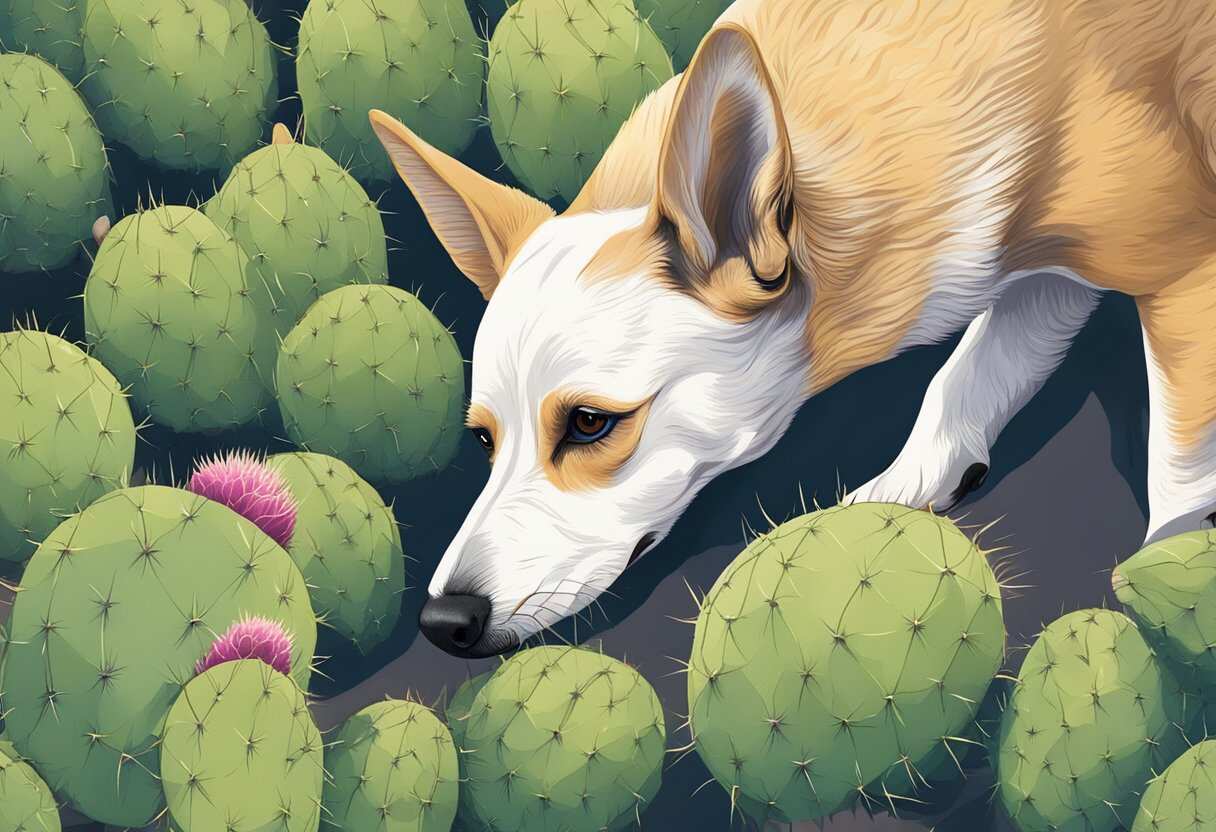
Nopales are the flat pads of the prickly pear cactus, often cooked and eaten in certain cuisines, and have a slightly tangy, soft texture once prepared. A client last summer brought a container of chopped nopales mixed with rice and chicken for her dog, and she told me she eats the same dish at home. That is usually how these questions start, with owners wanting to share their own food habits with their pets. I have seen that pattern at least six or seven times now.
From a nutritional angle, nopales contain fiber, small amounts of vitamins, and a lot of water, making them feel light in a meal. Dogs do not need vegetables as humans do, but some tolerate small amounts. I always remind clients that tolerance is not the same as benefit.
Curiosity drives most of these choices. Some owners avoid processed food, others want variety. Still, I treat anything new cautiously.
How I Test Foods Like Nopales With Dogs
Whenever a client asks me about adding something unusual, like nopales, I suggest a slow introduction rather than tossing it straight into a full meal. I once pointed a regular client toward ” Can Dogs Eat Nopales ” to help them compare safe food options before experimenting at home, and it gave them a better sense of portion sizes and preparation. That extra step can prevent many stomach issues later. Guessing rarely works.
I start with a teaspoon-sized piece for a medium dog, then watch stool, appetite, and energy over 24 hours. If all seems normal, I repeat with a slightly larger portion days later. Slow works.
Improperly cleaned nopales can have tiny spines or rough edges. Dogs do not chew carefully, so anything sharp or fibrous can cause mouth or throat irritation.
Benefits I Have Actually Seen in Practice
Honestly, I have not seen major benefits from nopales. Occasionally, dogs with mild constipation showed slightly improved stool after eating small amounts of fibrous vegetables, including nopales. This may be due to fiber in general.
An older dog stayed with me for two weeks, eating cooked nopales every other day. The dog had no discomfort and normal digestion throughout. Tolerance matters.
Still, I do not recommend nopales as a regular addition. Options like carrots or pumpkin are easier and have shown consistent results in many dogs. Experience informs my choices.
Risks and Mistakes I Have Seen Owners Make
The biggest mistake I have seen is feeding nopales raw or undercooked. Raw cactus pads are tough, slightly slimy, and harder for dogs to digest, which can lead to stomach upset or even vomiting. Cooking softens the texture and makes it easier to digest. That step matters.
Portion control is another issue. I once had a client leave enough nopales in a meal to fill nearly a quarter of the bowl for a 10-kilo dog, and that is far too much. Dogs need most of their nutrition from balanced food, not from large amounts of vegetables. Small portions work better.
Seasoning can be a hidden problem. Cooked nopales seasoned with salt, garlic, onions, or spices can harm dogs. I ask clients to prepare a plain portion for their pets. Sharing human leftovers directly is risky. ers overcomplicate feeding. Simple works best.
My Personal Rule for Feeding Nopales
If someone asks me today whether dogs can eat nopales, my answer is yes in small, plain, properly prepared amounts, but only as an occasional addition. I treat it like other less common vegetables—it is not a staple or something I add regularly. That keeps expectations realistic.
I stick to a simple approach in my boarding setup. If a dog is used to nopales at home and shows no issues, I allow it in controlled portions. If it is new, I suggest testing at home first, where the owner can monitor. That reduces stress for the dog and me.
I have turned away feeding requests before. Not every idea works.
Over time, I have learned that most dogs do best with consistency rather than constant experimentation. My main recommendation is that nopales can be tolerated in small, plain amounts but rarely offer advantages over simpler and more familiar foods, which I trust for ease and safety.