
I run a small home-based dog boarding service. I frequently prepare or oversee meals for about 7 dogs at a time and have learned that ingredients like oils, especially canola oil, can be easily overlooked but have significant consequences. My main argument: I avoid canola oil in my dog care practice because even small, frequent additions can negatively affect digestion and long-term health.
What Canola Oil Really Is
Canola oil comes from rapeseed that has been processed to reduce certain compounds and make it usable for cooking. It is common in kitchens because it is cheap, neutral in taste, and easy to cook with. I see it used in homemade dog meals, leftovers, and even in some packaged treats.
From a basic nutritional standpoint, it contains fats that dogs can technically digest. That part is true. The issue is not whether a dog can handle it once or twice, but how it fits into a regular diet over time.
I have noticed that most owners do not measure how much oil they add. A quick pour while cooking can easily be more than a teaspoon, which for a small dog is already a noticeable amount. That lack of precision is where problems can begin.
When It Becomes a Problem
In my experience, canola oil becomes an issue when it shows up frequently or in larger amounts. Dogs that regularly consume oily food tend to develop digestive issues. I have seen loose stools, mild vomiting, and changes in appetite tied back to meals that were heavier in oil than the owner realized.
If someone wants a general explanation before we talk through their feeding routine, I sometimes point them toward Is Canola Oil Bad for Dogs? ” so they can understand the basic concerns before we get into specifics. It helps me focus on their dog instead of starting from scratch every time.
Fat is calorie-dense, so even small increases can lead to weight gain. I once traced a dog’s gradual weight gain to the owner’s habit of adding oil to every meal, which they didn’t realize added up over time.
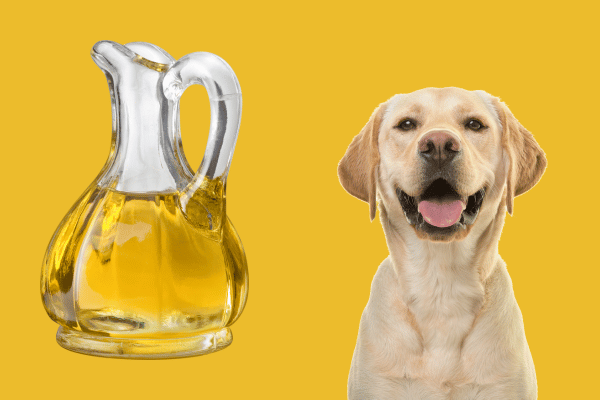
How Dogs React Differently
Not all dogs react the same way to canola oil. Some handle it without any obvious issues, especially if it is a very small amount. Others are more sensitive and show signs of discomfort quickly.
Last summer, I had two 25-kilogram dogs boarding at the same time, with completely different reactions to the same meals. One had no issues, while the other developed loose stools within a day. This reminded me that tolerance varies more than people expect.
Age and health also play a role. Older dogs or those with a history of digestive issues tend to be less forgiving. I am more cautious with them because I have seen how quickly a minor ingredient can upset their balance.
Better Fat Sources I Prefer
I do not avoid fats entirely. Dogs need them. I just chose sources that feel more predictable based on my experience.
In my setup, I lean toward small amounts of fish oil or fats that come naturally with whole foods like chicken or beef. These feel easier to manage because they are part of the ingredient rather than something added separately without much thought. Portion control becomes simpler that way.
Once, I switched a dog from meals with added cooking oil to plain cooked food with natural fat content, and within a week, the digestion stabilized noticeably, with fewer irregular stools and better energy levels throughout the day. That kind of steady improvement is what I aim for.
Hidden Sources Owners Miss
One thing I point out often is that canola oil does not always appear as an obvious addition. It is already present in many processed dog foods and treats. When owners add more on top of that, the total intake can exceed what they realize.
I have had conversations where the owner insisted they were not using any oil, but after checking the ingredient list on the treats, it was clearly listed. That is why I always look at the full picture rather than just what is added during cooking.
Consistency matters more than perfection. A small amount once in a while is not what causes issues. It is the repeated exposure that builds up over days and weeks.
How I Handle It in Daily Feeding
My main recommendation is to avoid adding canola oil directly to dog meals. This approach keeps feeding routines simpler and avoids unnecessary risks. With several dogs in my care, removing canola oil helps keep diets consistent and stable.
If a dog is used to oily food, I transition them gradually by reducing added fats over a few meals instead of stopping suddenly. This avoids sudden digestive upset and gives the dog time to adjust.
I also keep portions controlled. Even with better fat sources, I measure rather than guess. That small habit has prevented many minor issues from turning into bigger ones.
Most dogs do fine without canola oil in their diet. From what I have seen, canola oil is not necessary for dogs, and avoiding it leads to more stable digestion and simpler, more effective meal planning. My core stance remains: steering clear of canola oil supports consistent, predictable outcomes in my boarding service.