
I work with cats every day through grooming and assisting at a small spay-and-neuter clinic, where we see everything from tiny kittens to older strays. One of the most common questions I hear from new cat owners is how old cats should be before getting fixed. Over the years, I have seen how timing can affect recovery, behavior, and long-term health. The answer isn’t always a single fixed age for every cat, but there is a reliable window I usually guide people toward.
The age window I usually recommend
Most of the cats I see are scheduled for spaying or neutering at about five to six months of age, which is the stage before many begin full reproductive behavior. I have handled kittens as young as four months who were already showing early hormonal signs, especially in busy multi-cat households. On the other hand, I have also worked with cats that were fixed later because owners simply did not realize how quickly things develop. Timing matters, but flexibility is often needed depending on the cat’s health and living situation.
In many cases, I suggest not waiting until the first heat cycle in female cats or the first strong territorial behavior in males. I have seen those behaviors become harder to manage once they start, even after surgery. One family I worked with last spring delayed until their indoor female cat was around 8 months old, and by then, she was already vocal and restless during heat cycles. Recovery was still smooth, but the behavioral adjustment took longer than expected.
For pet owners looking for surgical scheduling or advice tailored to their cat’s weight and health condition, a trusted local veterinary clinic can help assess the right timing safely and professionally. I often remind people that each cat is slightly different in development, so professional evaluation always matters more than a fixed calendar age. Cats growing in different environments may reach maturity at different speeds, especially if nutrition and stress levels vary. I have clearly seen this difference between indoor-only and semi-outdoor cats in rural areas.
There is also a common belief that waiting longer makes the procedure safer, but in my experience, that is not always true. Younger cats generally recover faster and show fewer complications when they are otherwise healthy. I have watched kittens bounce back within a day or two, while older cats sometimes take a bit longer to fully return to normal activity. That difference alone is something many owners do not expect.
What I see in real clinic decisions
At the clinic where I assist, decisions are rarely made based only on age. We look at weight, overall health, vaccination status, and whether the cat is already showing signs of reproductive behavior. I remember a small male kitten who came in at just under five months because he had already started marking indoors, which surprised his owner. Cases like that shift the decision earlier than usual.
Some owners delay because they worry about anesthesia risks in young cats, but modern veterinary practice has significantly reduced those risks when proper screening is performed. I have watched dozens of procedures where kittens under six months were handled under anesthesia without complications and were walking around comfortably the same evening. The key is always pre-surgery checks, not just age alone. This is where early consultation makes a real difference in planning.
People who are unsure about timing often benefit from discussing their situation with a professional service, and I often point them toward a nearby clinic where staff can physically examine the cat and suggest a safe schedule. It is also common for clinics to group similar age surgeries together, which helps streamline recovery care and reduces stress for both cats and owners. I have seen this approach work well in busy urban settings where multiple surgeries are performed daily.
In many practical situations, the final decision comes down to balancing behavior, growth stage, and household conditions. A single indoor cat in a quiet home might have a different timeline than a kitten in a multi-cat environment where competition and marking behavior start earlier. I have learned that rigid rules do not always match real life with animals.
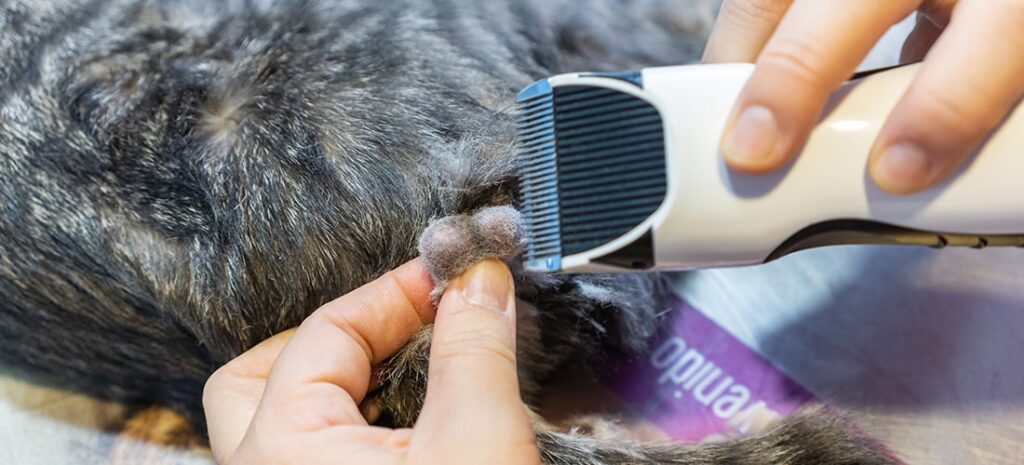
Early vs slightly delayed fixing outcomes.
Over time, I have noticed clear differences between cats fixed early in the recommended window and those fixed later. Early procedures tend to reduce unwanted behaviors before they become habits, which makes long-term management easier for owners. I still remember a group of siblings I worked with where the two fixed at five months stayed calm and socially balanced, while the one fixed at nearly ten months kept some territorial habits for a while longer.
That said, delaying surgery slightly does not automatically cause problems. I have worked with healthy cats fixed at eight or nine months who recovered well and lived completely normal lives. The key difference is often behavior development before surgery, not the surgery itself. Once a pattern, such as spraying or loud heat vocalizations, becomes established, it can take time to fade even after hormones are removed.
There is also a physical side to consider. Younger cats tend to have smaller incisions and faster healing responses, which makes post-operative care simpler. I have seen kittens return to normal eating and playing within 24 to 48 hours, while older cats may take a few extra days before acting fully comfortable again. These differences are small but noticeable in a busy clinic environment.
At the same time, I always remind owners not to panic if their cat was fixed later than ideal. Cats are resilient, and even delayed procedures still provide major health and behavioral benefits. I have seen many cases where a late-fixed cat still settled down significantly after recovery, especially in calmer home environments with stable routines. What matters most is that the procedure happens safely, not perfectly on a calendar.
Recovery, behavior, and what owners notice after
After surgery, most cats need a quiet space and a few days of monitored rest. I often advise owners to limit jumping and running during the first week, even though many cats try to act normal within hours. I have seen curious kittens attempt to climb furniture the same evening they come home, which always keeps owners busy.
Behavior changes after fixing are usually gradual rather than immediate. Male cats often become less territorial over time, while female cats stop cycling and the related vocal behavior disappears after healing. I have had owners tell me they noticed the biggest changes a few weeks later, not the next day. Hormonal levels take time to fully settle in the body.
One thing I always emphasize is monitoring the incision site closely during the first few days. Even minor licking can slow healing, so protective collars or soft recovery suits are often used. I have seen quick recoveries turn complicated simply because a cat managed to irritate the surgical area, which is why small precautions matter.
In my experience, cats that are fixed within the usual early window adapt more smoothly to post-surgery life. They often avoid behaviors that can later become difficult to manage, especially in indoor environments. I still enjoy seeing the difference months later when owners bring their cats back for routine checks and describe calmer behavior at home. That long-term shift is usually what convinces most people that timing does matter, even if it is not rigid.