
I run a small dog boarding setup out of my home, and over the years, I’ve had to become very aware of what plants are safe and what can quietly cause problems. Begonias come up more often than you might think, especially because people like to keep them in shaded patios and entryways. I’ve had a few close calls with curious dogs and these plants. None of those moments felt minor at the time. If you keep dogs and begonias in the same space, you need to know what can happen.
What Makes Begonias a Problem for Dogs
Begonias contain insoluble oxalates, and those compounds are what cause trouble if a dog chews or eats part of the plant. I learned this the hard way after a young spaniel boarded with me one summer and went straight for a potted begonia near the water bowls. Within minutes, she started pawing at her mouth and drooling more than I had ever seen from her. It was not subtle. The reaction tends to show up quickly, and that speed can catch people off guard.
The highest concentration of these oxalates is in the roots, which most dogs don’t reach unless they are digging or the plant is knocked over. Still, the leaves and stems are enough to irritate the mouth and throat. I have seen dogs gag, shake their heads, and refuse water for a short time after chewing even a small piece. It looks uncomfortable because it is uncomfortable. That irritation is the main issue, though larger amounts can lead to vomiting.
Most cases I’ve seen haven’t been life-threatening, but they’ve been stressful and messy. Dogs do not understand what just happened, and they often try to rub their faces on anything nearby. That creates another layer of chaos if you are managing multiple dogs at once. I now treat begonias the same way I treat electrical cords around puppies. I assume they will be investigated and possibly chewed.
What Symptoms I Watch For Immediately
In my setup, I keep a simple checklist in my head whenever a dog interacts with something questionable. Drooling is usually the first sign, and not just a little extra saliva, but thick, stringy drool that keeps coming. I also look for lip smacking, pawing at the mouth, and a sudden refusal to eat or drink. One sentence sums it up: you can tell something is off.
If the dog has swallowed more than a small bite, vomiting can follow within an hour or two. I had a terrier mix last spring that threw up twice after chewing a fallen begonia leaf, and then settled down after a few hours of rest and water. That case stayed mild, but it still required close monitoring. I always tell owners that symptoms can vary based on the dog’s size, age, and how much was ingested.
When I am unsure, I reach out to a resource like the Pet Poison Helpline to confirm whether I should escalate care or keep monitoring at home. Having that option reduces guesswork, especially late at night when a regular vet might not be available. It is one of those things you hope you never need but are glad to have ready. Quick decisions matter in these moments.
One detail people overlook is how long the irritation can linger. Some dogs seem fine after 30 minutes, while others stay uncomfortable for half a day. I have seen a Labrador refuse treats for nearly six hours after chewing a stem, which is unusual behavior for that breed. That kind of change tells me to keep watching closely.
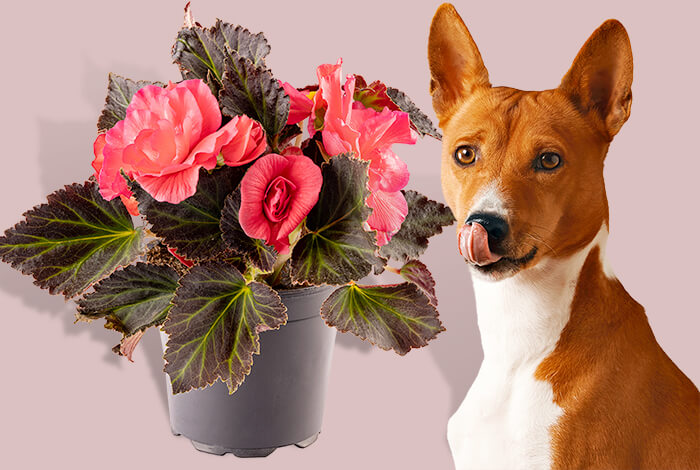
Why Dogs Go After Begonias in the First Place
It is rarely about hunger. Most of the time, it is curiosity or boredom. I notice this pattern most often with younger dogs under two years old who are still exploring with their mouths. A plant placed at nose height is basically an invitation.
Texture plays a role, too. Begonia leaves are soft and slightly waxy, which seems to attract dogs that like to mouth things. I had one border collie that ignored dry sticks but went straight for any leafy plant within reach. That told me it was not random behavior. Dogs make choices based on what feels interesting to them.
Placement matters more than people expect. A pot sitting on the floor is very different from one on a raised stand or shelf. I changed my own setup after two separate incidents within a single month, both involving the same shaded corner near my back door. Since moving those plants higher, I have not had another issue in that area.
How I Handle It When a Dog Eats One
My first step is always to remove access to the plant and, if it is safe to do so, check the dog’s mouth. Sometimes you can see small pieces stuck between the gums or along the tongue. I use a damp cloth to gently wipe the mouth if the dog allows it. That alone can reduce some irritation.
Next, I offer fresh water and watch how the dog responds over the next 30 to 60 minutes. If drooling continues heavily or vomiting starts, I prepare to contact a vet. Timing matters here. Waiting too long can make things harder to manage.
There are a few things I avoid completely. I do not try to induce vomiting on my own, and I do not give random home remedies I have seen online. Those approaches can create more problems than they solve. I stick to observation, basic comfort, and professional advice when needed.
Here is the short version of my response routine:
Remove the plant. Clean the mouth if possible. Offer water. Monitor closely for at least two hours. Contact a professional if symptoms persist or worsen.
Keeping Begonias and Dogs in the Same Home
I have not banned begonias from my space entirely, but I have changed how I keep them. Height is the simplest fix. Plants that sit at least three feet above the ground are far less likely to be chewed, especially by medium to large dogs. That one adjustment reduced my incidents to zero over the past year.
Another option is creating clear zones where dogs do not have access. I use baby gates in two parts of my home, and that allows me to keep decorative plants in those sections without worry. It is not complicated. It just requires consistency.
Training helps, but it is not foolproof. Even well-trained dogs can make poor choices when left alone or bored. I have seen highly obedient dogs ignore commands when something catches their interest at the wrong moment. That is why I rely more on environmental control than behavior correction.
If you are unsure about your dog’s habits, assume they will test the plant at least once. That mindset keeps you ahead of the problem. It also removes the false sense of security that can build over time.
I still like how begonias look. They add color to spaces that otherwise feel dull. But I treat them with the same caution I would give to cleaning supplies or small chewable objects. A little awareness goes a long way, and in my experience, it prevents those stressful moments that no dog owner enjoys.