
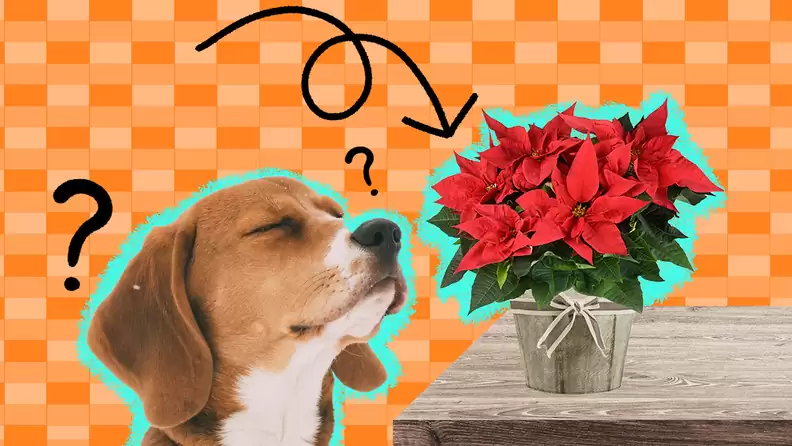
I run a small pet boarding and grooming setup out of my home, and every winter, I see the same question pop up from worried owners bringing in their dogs and cats. The red leaves show up everywhere, from living rooms to shop counters, and suddenly people start asking if they’ve brought poison into the house. I’ve handled enough panicked calls and mild plant nibbles to know where the fear comes from and where it gets exaggerated. The truth sits somewhere in the middle, and it’s worth understanding before you toss every holiday plant out the door.
What I’ve Seen Firsthand With Curious Pets
A few winters ago, a client dropped off a young Labrador who had chewed on a poinsettia plant earlier that morning. The owner expected the worst and was already talking about emergency treatment costs. By the time the dog arrived, he was alert, wagging, and mostly annoyed that his breakfast had been delayed. He did have a bit of drool around his mouth, which I’ve seen several times with plant chewers.
That’s been the pattern in most cases I’ve dealt with. Dogs chew, cats nibble, and then you might see mild signs like drooling, slight vomiting, or a bit of irritation around the mouth. These symptoms usually pass within a few hours. I’ve yet to see a severe poisoning case from poinsettias in my own work.
That doesn’t mean they are harmless. It means the reaction is often mild. I’ve had one cat who refused food for half a day after chewing the leaves, and another dog who vomited twice before settling down. Both recovered without any long-term issues. The panic usually outweighs the actual danger.
Why People Think They Are Highly Toxic
The reputation of poinsettias as deadly goes back decades, and it has persisted longer than it should have. I still hear owners say their dog could die from one bite, which simply doesn’t match what I’ve seen or what most vets report. A lot of that fear came from an old story that was never clearly proven, yet it spread fast.
There is a milky sap inside the plant that can irritate the mouth and stomach. That’s the part that causes the symptoms. It’s unpleasant for pets, but it’s not the kind of toxin that leads to severe poisoning in small amounts. I always tell owners to treat it like a mildly irritating problem rather than a lethal one.
If you want a second opinion beyond what I see day to day, I usually suggest checking a reliable source like ” Are poinsettias poisonous to dogs or cats so you can understand how these plants are classified and what symptoms actually matter. It helps calm people down once they see the bigger picture. Fear often comes from not knowing what level of risk you are dealing with.
There is also confusion with other holiday plants. Mistletoe and certain types of lilies are genuinely dangerous, especially for cats. People mix them up and assume everything with a festive look carries the same level of risk. That mix-up leads to overreaction in some cases and underreaction in others.
What Actually Happens If a Pet Eats One
In practice, most pets that chew poinsettias show only mild gastrointestinal upset. I’ve seen drooling within 10 minutes, and sometimes a single episode of vomiting within an hour. It’s uncomfortable, but it usually doesn’t escalate. Cats tend to be more sensitive, though they also eat less of it.
One detail that stands out is how quickly pets lose interest after the first bite. That sap doesn’t taste good. Dogs might go back once or twice out of curiosity, but most stop on their own. Cats usually walk away even faster. That natural deterrent limits how much they actually consume.
There are exceptions. A bored dog that chews everything in sight could eat a larger portion, especially if left alone for several hours. In those cases, you might see repeated vomiting or more noticeable discomfort. That’s when I tell owners not to wait it out and to call their vet for guidance.
Small pets react faster. A kitten or a toy breed dog may show symptoms sooner because of their size, even with limited exposure. I once had a small terrier who chewed half a leaf and ended up with mild vomiting twice within an hour. He was fine by evening, but the owner needed reassurance.
How I Advise Clients to Handle It at Home
I keep my advice simple because people tend to overcomplicate things when they’re worried. First, remove the plant from reach. That stops the problem from getting worse. Then watch your pet for a few hours to see how they react.
If you notice mild drooling or a single episode of vomiting, keep your pet hydrated and avoid feeding heavy meals right away. I usually suggest waiting a couple of hours before offering food again. Most pets bounce back quickly. If symptoms persist for more than half a day, it’s time to call a vet.
There are a few signs that should not be ignored. Repeated vomiting, extreme lethargy, or refusal to drink water are signals that something more is going on. Those cases are rare with poinsettias, but they can happen if a large amount is consumed or if the pet already has a sensitive stomach.
I also remind people to check the rest of their decorations. One plant might be low risk, but a mix of plants can change the situation. It’s not just about poinsettias. It’s about the whole environment your pet is moving through.
My Take on Keeping Poinsettias Around Pets
I still keep poinsettias in my own space during the holidays. That might surprise some of my clients, but I place them out of reach and keep an eye on the animals. It’s about managing risk rather than eliminating every possible hazard.
For homes with highly curious pets, especially young dogs that chew everything, I usually suggest skipping them altogether. It saves you from stress and constant monitoring. For calmer pets, a higher shelf or a table that they can’t reach is usually enough.
I’ve learned that balance matters. You don’t need to turn your home into a sterile zone, but you also shouldn’t ignore potential risks just because they are common. Understanding the level of danger helps you make better choices without unnecessary panic.
Most of the time, the fear around poinsettias outweighs the actual threat. I’ve seen dozens of cases, and none turned serious. That doesn’t mean you should be careless, but it does mean you can approach the situation with a clearer head and fewer assumptions.
Pets get into things. It happens.
If you stay observant and react calmly, you’ll handle situations like this without much trouble. That’s been my experience after years of watching pets and their owners navigate the same seasonal worries.