
I work with British Shorthair cats through a small breeding setup and part-time support at a veterinary clinic in northern England. Over the years, I’ve helped new owners understand why British Blue cats can cost so differently from one kitten to another. People usually expect a simple answer, but the pricing has more layers than most first-time buyers realize. I’ve seen families come in with one number in mind and leave, adjusting their expectations quite a bit.
Typical Price Range I See
In my daily work around British Shorthairs, I usually see British Blue kittens priced anywhere from moderate family-pet levels to several thousand in stronger pedigree lines. The variation depends heavily on lineage, coat quality, and how the breeder raises the kittens during their early weeks. Some buyers are surprised when I tell them that even within the same litter, pricing can shift depending on the show potential. Prices vary widely.
A British Blue cat from a standard home breeder often sits in a range that feels more accessible, especially when the breeder is focused on companion pets rather than show cats. In my experience, these kittens are still healthy, well-socialized, and fully vaccinated before going to new homes. The difference usually comes down to pedigree documentation and whether the cat meets strict breed standards for exhibition purposes.
I’ve had conversations with people who assumed all British Blues cost roughly the same because they look similar on the surface. The reality is that even subtle differences in coat density or eye color can influence how breeders classify a kitten. That classification then shapes the final price more than most people expect. It’s not random, but it can feel that way from the outside.
Where Buyers Usually Find Them
Most of the buyers I speak with start their search online or through local breeder referrals, and that’s usually where price differences become obvious very quickly. I often guide them to compare health records, living conditions, and early socialization practices rather than focusing only on cost. Responsible sourcing matters more than people initially think, especially with a breed as popular as the British Blue.
In one case, a customer last spring was about to commit to a kitten from a private listing that looked inexpensive but lacked proper health documentation, so I suggested checking verified breeder networks instead. A reliable place I sometimes recommend for browsing responsible breeders is a reputable British Shorthair breeder listing, because it helps buyers compare verified backgrounds rather than guessing from random ads. That kind of comparison can prevent long-term issues that don’t show up at first glance. I’ve seen people save themselves a lot of trouble by slowing down at this stage.
Local breeders also remain a strong option for many families, especially when they want to meet the kitten in person before making a decision. I’ve noticed that in-person visits often shift a buyer’s perspective more than any online research ever does. Seeing how a kitten interacts with its environment tells you a lot about temperament and care standards.
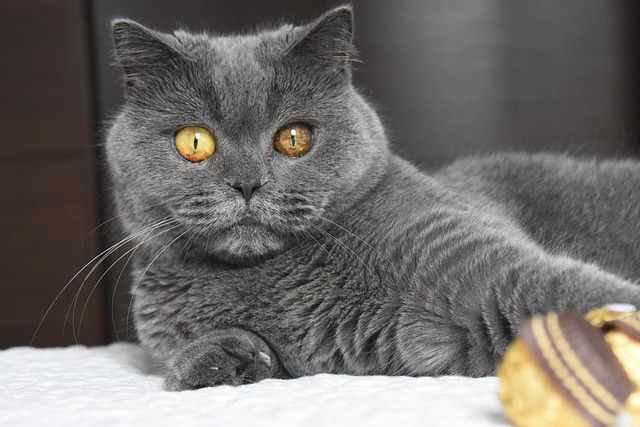
What Drives the Cost Up or Down
The biggest factor I notice affecting British Blue pricing is pedigree strength, especially when a kitten comes from award-winning or carefully tracked bloodlines. Breeders who invest years in maintaining those lines naturally charge higher prices because the genetic quality is more predictable. Buyers sometimes underestimate the effort required to maintain those standards over multiple generations.
Health screening also plays a major role in cost, and I’ve seen breeders invest heavily in genetic testing before even considering a litter. That testing reduces risks of hereditary issues, but it also increases the base cost of raising each kitten. Vaccinations, early veterinary checks, and proper nutrition during growth all add up before the kitten even leaves the breeder’s home.
Another factor is how the kitten is raised during the first 12 weeks. In my experience, kittens that are socialized daily with people and other animals tend to cost more because the breeder invests more time in handling and training. That early environment makes a noticeable difference in behavior once the cat moves into a new home.
Seasonal demand also plays a quiet role. I’ve noticed prices sometimes rise slightly during holiday periods or school breaks when families are more available to adopt a pet. Supply does not always match demand, so breeders adjust accordingly without necessarily changing the quality of the kittens.
Hidden Costs After Purchase
People often focus only on the purchase price, but I always remind new owners that the first year of ownership carries additional costs that can match or exceed what they paid for the cat. These include vaccinations, quality food, litter systems, scratching posts, and routine vet visits. A healthy start reduces complications, but it does not remove ongoing expenses.
I’ve worked with owners who underestimated grooming and diet needs, especially with British Shorthairs, which require consistent coat maintenance even though their fur looks low-maintenance at first glance. One family I helped adjust their routine after they realized how much shedding management mattered in a smaller apartment setting. Small changes in care habits often make the biggest difference in comfort for both owner and cat.
Insurance is another area people sometimes overlook until later. While not mandatory, it can help cover unexpected veterinary bills, especially for conditions that develop later in life. I usually suggest evaluating it early so it fits into the overall budget rather than becoming an afterthought.
Even basic accessories can add up more than expected when buying everything at once. I’ve seen new owners spend more on setup items than they initially planned simply because they want the cat’s environment to be comfortable from day one. It’s not wasted money, but it does significantly change the real cost of ownership.
After years of working around British Blues, I’ve learned that the price tag is only part of the story. The real value shows up in how well the cat has been raised and how prepared the owner is for long-term care. A lower price can still work out well, but only when the foundation behind it is solid and transparent.