
I work as a mobile cat groomer and also assist part-time in a small veterinary clinic that handles everyday feline health concerns. Over the years, I’ve had more than a few cat owners ask me if they can give their cats cranberry juice for urinary issues or general wellness. The question usually comes from a good place, especially when someone is trying to help a cat that seems uncomfortable. I’ve seen this idea circulate through pet forums and casual advice between neighbors. Most of the time, the answer is more complicated than people expect.
How cranberry juice interacts with a cat’s system
Cats process foods very differently from humans, especially anything acidic or sugary, like cranberry juice. In my experience handling cats during grooming sessions and clinic visits, I have found their digestive systems are sensitive to sudden changes. Cranberry juice, even in small amounts, can upset their stomachs or cause unnecessary discomfort. I’ve had clients mention they tried giving it once and noticed vomiting or refusal to eat afterward. That reaction alone tells me it is not a suitable option for routine care.
The idea behind cranberry juice often comes from human medicine, where it is linked to urinary tract health. Cats, however, have a completely different urinary system and dietary requirement structure. I often explain that cats are obligate carnivores, meaning their bodies are designed for meat-based nutrition rather than fruit extracts. A few years back, I worked with a rescue cat that had recurring urinary irritation, and the owner insisted on adding cranberry juice daily. It did not improve the condition and instead made the cat more reluctant to drink water, further complicating hydration.
There is also the sugar factor that people overlook. Even unsweetened cranberry juice contains natural acids that can be irritating. I say no. It is that simple in most cases. When I see confusion in owners’ faces, I remind them that what helps humans does not automatically translate to feline health. One sip might not cause immediate harm, but repeated exposure creates risk without clear benefit.
Why cat owners still consider cranberry juice
In many conversations I’ve had during grooming appointments, people mention online advice or a friend who swears cranberry juice helped their pet. I understand the intention because urinary issues in cats can be stressful and expensive to treat. I remember a customer last spring who had spent several thousand rupees on vet visits and was looking for anything that might offer a simpler solution at home. That kind of frustration often pushes people toward home remedies.
During those discussions, I sometimes point them toward proper veterinary guidance instead of experimenting with human supplements. In fact, I once guided a client to a local veterinary clinic after their cat showed repeated signs of discomfort and reduced litter box use. The vet explained the issue in a way that cleared up a lot of confusion, especially about diet and hydration. The owner later told me they realized how risky self-treatment had been without professional input. That moment usually shifts their perspective more than anything I say.
Another reason cranberry juice comes up so often is marketing meant for humans that spills into pet discussions. People assume “natural” equals “safe,” but I’ve seen enough cases to know that’s not always true. Even small changes in a cat’s diet can create stress on their kidneys or bladder. I’ve seen cats become lethargic after owners tried multiple home remedies at once. Simple does not always mean harmless.
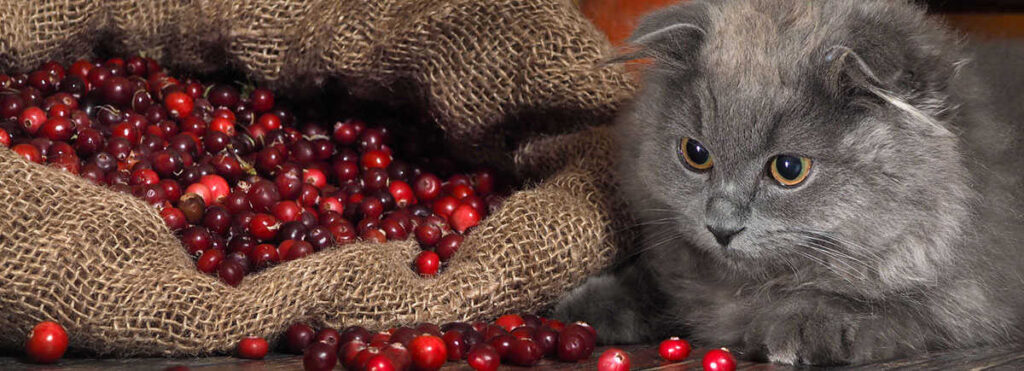
What I actually recommend instead of cranberry juice
When I talk to cat owners, I usually focus on hydration first because that is where many urinary problems begin. Cats naturally drink less water, especially when on dry food diets. In grooming sessions, I often notice cats that seem mildly dehydrated without the owner realizing it. Encouraging proper water intake is far more effective than adding juice or other flavored liquids.
Wet food is one of the most practical adjustments I suggest. It increases fluid intake without forcing the cat to drink more. I’ve seen noticeable improvement in cats within a few weeks just by switching a portion of their diet. It is not a quick fix, but it is a stable one. Small dietary changes tend to be more effective than experimental additives.
I also advise routine observation. If a cat is straining in the litter box or urinating more frequently, that is not something to ignore or treat at home with juice or supplements. I’ve handled cats whose early signs went unnoticed for months, and by the time they reached a vet, the condition had progressed. Quick action matters more than guessing remedies.
There are days when I keep my explanations very direct. A cat’s body is not built for fruit-based treatments. I’ve repeated that sentence more times than I can count. It sticks because it reframes the expectation. No cranberry juice. No shortcuts. Just proper care.
What I’ve learned from real cases in the field
Over time, working closely with cats in both grooming and clinic environments has shown me patterns that are easy to miss from the outside. Owners often want immediate solutions, especially when their pet seems uncomfortable. I’ve been in homes where people tried multiple home remedies within a week, hoping something would work faster than a vet appointment. That urgency is understandable, but it often leads to confusion instead of relief.
One case that still stays in my mind involved a cat that had mild urinary discomfort. The owner had tried cranberry juice, herbal drops, and even diluted fruit water over a short period. The cat became more withdrawn and stopped drinking normally. Once we stabilized the diet and hydration under veterinary supervision, the improvement came gradually but steadily. It reminded me how sensitive cats are to inconsistent treatment approaches.
There is a clear difference between human wellness trends and feline health needs. I’ve learned to keep that boundary firm in conversations. Even when owners are convinced they are helping, I focus on explaining outcomes rather than debating intentions. Cats respond best to consistency, not experimentation. That is something I repeat often during my work week.
Every so often, I still get the cranberry juice question at least a few times a month. My answer does not change, but the conversation around it does. People are usually looking for reassurance that they are doing the right thing. Once they understand the risks, most of them move toward safer, more practical care choices for their cats.
In the end, the goal is always the same: keep the cat comfortable, hydrated, and supported with a diet that actually matches its biology. That approach has never steered me wrong in the field.