
In my mobile dog grooming van, I work closely with dogs daily. Eye problems, especially pink eye, worry owners most because they often appear suddenly, with redness or discharge that worsens quickly. Owners sometimes panic when they notice their dog’s eye turning pink overnight, showing how fast things can change.
What Pink Eye Looks Like in Dogs
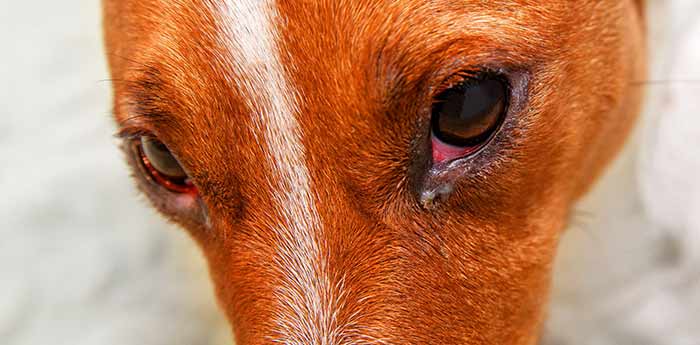
Most people know pink eye from human experience, but in dogs, it can present a bit differently. The first sign I usually notice is redness along the inner eyelid, followed by a watery or slightly thick discharge. Some dogs start pawing at their face, while others just squint and act a little off during grooming.
I recall a regular client whose golden retriever arrived with one eye slightly swollen and glossy. After trimming around the eye, it became more irritated. This rapid change always concerns me, even though I’m not a vet.
It spreads fast sometimes. Not always, though. In many cases, it stays limited to one eye if caught early, especially if the cause is mild irritation rather than infection.
What Causes Pink Eye in Dogs
In my line of work, I see pink eye triggered by a mix of things, and it’s rarely just one clear cause. Dust from outdoor play is a common factor, especially in dry months, when fine particles stick to the coat and end up near the eyes. Allergies play a role, too, particularly in dogs that already react to pollen or grooming products.
A spaniel I groomed developed discharge that changed from clear to yellow in two days, which usually signals bacterial involvement. That dog needed proper treatment beyond simple cleaning.
Some owners ask where to read more before seeing a vet. I’ve pointed them to resources like the Dog Eye Treatment Guide, helping them understand early signs and when to act. Still, nothing replaces an actual exam.
Is Pink Eye Contagious Between Dogs
This is one of the first questions I get when a dog shows symptoms in my van. The answer depends on the cause, which makes it tricky to give a simple yes-or-no. If the pink eye is caused by bacteria or a virus, then yes, it can spread to other dogs through close contact or shared items.
In my setup, I clean tools after every appointment and avoid back-to-back bookings if I suspect an infection. I once had to reschedule three clients in a row because one dog came in with obvious discharge and crusting. It wasn’t worth the risk of passing something along.
On the other hand, if the irritation comes from dust or a scratch, it won’t spread. That’s why identifying the cause matters so much. Guessing can lead to mistakes.
How I Handle It During Grooming
I’m not treating the condition, but I do take steps to avoid making it worse. Gentle cleaning around the eye area with a damp cloth is usually safe, as long as I don’t apply pressure or use any harsh products. I skip facial trims if the eye looks too irritated, even if the owner requested a tight finish.
A bulldog I groomed had recurring eye issues. I learned to spot early redness, kept sessions short, and avoided sprays near the face. Simple adjustments helped the dog.
I always tell owners what I see.
If something looks off, I suggest owners check with a vet promptly instead of waiting it out. Make an appointment if redness lasts, discharge thickens, or your dog seems uncomfortable. Waiting rarely helps when an infection is involved, and eyes are too sensitive to take chances.
When Owners Should Be Concerned
Some mild redness can clear up in a day, especially if it’s caused by something temporary like debris. If your dog’s eye stays pink for more than 48 hours or if discharge becomes thick and colored, schedule a vet visit. Watch for swelling or refusal to open the eye—these are red flags requiring prompt attention.
Some owners waited nearly a week, hoping the redness would resolve. By then, the dog’s discomfort made basic grooming harder, delaying treatment and complicating recovery.
Trust your instincts. If it looks worse than yesterday, contact your vet for advice instead of waiting. Acting quickly helps prevent worsening symptoms.
Dogs can’t tell you what hurts, but they show it in small ways. I notice it during grooming because I’m up close, but owners see it at home too if they pay attention.
Pink eye in dogs isn’t rare. It’s not always serious, but it shouldn’t be ignored. From years in the grooming van, I’ve noticed that eye issues can change quickly and become harder to fix if left untreated. Early attention and prompt action make a big difference; most dogs recover well if addressed promptly.