
I run a small dog boarding and daycare setup out of my home, and over the years, I’ve seen all kinds of feeding habits come through my door. Owners ask me about human foods all the time, and eggplant is one that comes up more often than you might expect. I’ve fed it myself in small amounts and watched how different dogs react to it. Some handle it fine. Others, not so much. That contrast is where things get interesting.
What Eggplant Does for Dogs in Real Life
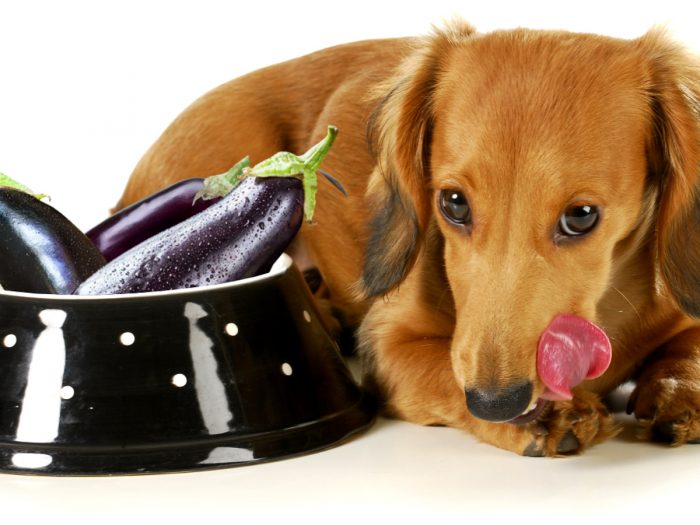
Eggplant, also called aubergine in some places, isn’t toxic to dogs in the way grapes or onions are. That’s the first thing I tell people. It’s a vegetable with fiber, a bit of vitamin C, and some antioxidants, though dogs don’t need it in their diet to stay healthy. In my setup, I’ve given small cooked portions to a handful of regulars, usually mixed into plain rice or chicken.
One older Labrador I cared for last winter handled eggplant better than most vegetables. His digestion was slow, and the fiber seemed to help him stay regular without upsetting his stomach. Still, I kept the portion small, around two tablespoons mixed into a meal. That’s enough. More than that, and things can turn quickly.
Raw eggplant is where I get cautious. It contains solanine, a compound that can cause mild issues in sensitive dogs. Cooking reduces that risk and makes the texture easier to chew and digest. I’ve seen a younger dog gag on a raw chunk once. It wasn’t serious, but it stuck with me.
How I Actually Serve Eggplant to Dogs
I always cook eggplant before offering it to any dog in my care. Usually, I bake or lightly steam it with no oil, salt, or spices. Seasonings are where people mess up. A lot of dishes use garlic, onions, or heavy oils, and those are the real problems, not the eggplant itself.
A client once brought her dog leftover eggplant curry, thinking it would be a nice treat. I had to turn that down. Instead, I pointed her toward a resource I sometimes share with clients looking for safer food ideas, such as healthy dog diet tips, which explain how simple preparation can make a big difference. After that, she stuck to plain vegetables, and her dog did much better.
Portion size matters more than people think. For a medium-sized dog, I keep it under a quarter cup per serving, and not every day. I treat eggplant like an occasional add-on, not a staple. Dogs don’t need variety in the same way we do. Too much experimenting can backfire.
Which Dogs Should Avoid Eggplant
Not every dog reacts the same way, and I’ve seen clear patterns over time. Dogs with arthritis sometimes struggle with nightshade vegetables, and eggplant is one of them. I had a shepherd mix last spring who seemed stiffer the day after eating a meal that included eggplant. It wasn’t dramatic, but the owner noticed it too, and we stopped immediately.
Allergies are another concern. They’re rare with eggplant, but they do happen. One small terrier I boarded developed itchy skin after trying it for the first time. It took a day or two to settle down. Since then, I always suggest introducing new foods slowly and watching for at least 24 hours.
Puppies are a different story. I don’t give them eggplant at all. Their digestive systems are still developing, and there’s no benefit that outweighs the risk of stomach upset. Better to keep things simple early on.
Common Mistakes I See Owners Make
The biggest mistake is feeding eggplant as part of a rich, seasoned dish. People assume that if they enjoy something, their dog will too. That’s not how it works. Oils, spices, and sauces can cause more harm than the vegetable itself.
Another issue is portion control. I’ve had dogs come in after being fed half a plate of leftovers. That’s too much. Even safe foods can cause vomiting or diarrhea in large amounts. I remember cleaning up after a beagle who had clearly been overfed the night before. It wasn’t fun.
Here are a few simple rules I follow in my own setup:
Keep it plain and cooked. Start with a very small amount. Watch for changes in behavior or digestion. Skip it entirely if the dog has known sensitivities. These habits have saved me a lot of trouble over the years.
I still use eggplant now and then, but I treat it with caution. It’s not a miracle food, and it’s not something dogs need. It’s just another option that can work for some and not for others, and that balance is something I’ve learned to respect the hard way.