
Many dog owners are surprised to learn that puppies in the same litter may not share the same father. It sounds unusual at first. Yet it is a real biological process seen in dogs and some other animals. Understanding how this happens helps explain differences in appearance and behavior among puppies.
How Dog Reproduction Works
Female dogs go into heat, also called estrus, usually twice a year. During this time, they are fertile and can mate with male dogs. The heat cycle can last around 2 to 3 weeks. Ovulation does not happen all at once. Instead, eggs are released over a short period.
If a female mates with more than one male during her fertile window, different eggs may be fertilized by each male, resulting in mixed parentage—a process called superfecundation.
Sperm can survive inside a female dog for several days. In some cases, it may remain viable for up to 5 days. That gives enough time for mating with different males to result in mixed offspring. Nature allows this.
The result is a litter in which the puppies may look very different. Some may resemble one father, while others take traits from another. Coat color, size, and even temperament can vary widely. To clarify the main question, let’s revisit whether puppies from one litter can have different fathers.
Yes, it is possible for a dog to carry puppies from two different fathers in the same pregnancy. This happens when she mates with multiple males during her heat cycle. Each egg can be fertilized separately. That leads to a mix of genetic backgrounds within a litter.
Many pet owners learn more about this topic through educational pages like ” Can a dog get pregnant by two different dogs, which explain how this process works in simple terms and why it occurs in real-life situations.
This is not rare in unplanned breeding situations. Dogs that roam freely are more likely to mate with multiple partners. Controlled breeding programs usually prevent this by limiting exposure. Careful timing is used.
DNA testing can confirm different fathers. Modern tests can accurately identify the parentage of each puppy. This helps breeders and owners understand lineage. It also answers questions when puppies look very different.
Signs of Mixed Parentage in a Litter
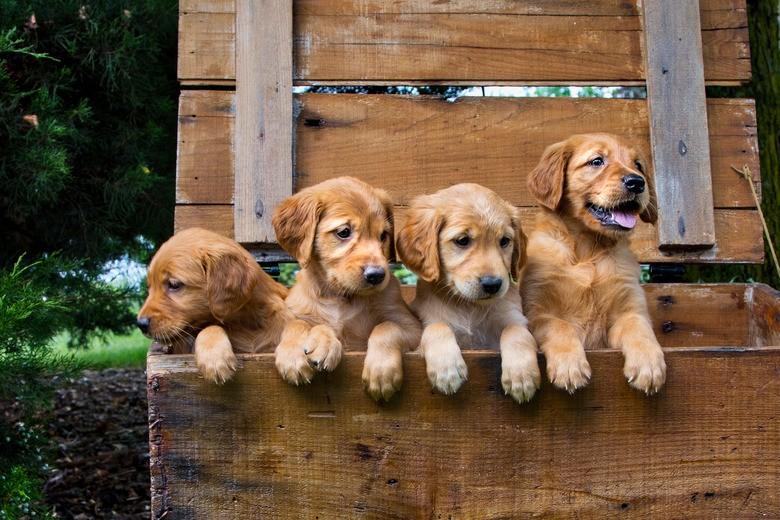
Puppies from different fathers often show clear physical differences. One puppy may have a thick coat, while another has short fur. Size can also vary, even at birth. These differences become more obvious as they grow.
Behavior may differ, too. Some puppies may be more active, while others are calm. Personality traits can reflect genetic diversity. This makes each puppy unique. No two are exactly alike.
Here are some signs that may suggest different fathers:
– Noticeable size differences between puppies
– Mixed coat colors and patterns
– Different ear shapes or tail lengths
– Varying energy levels and behavior
However, not all differences mean multiple fathers. Genetics can produce variety even within a single pairing. Observing patterns helps, but testing gives clear answers. Guessing is not enough.
Risks and Considerations for Dog Owners
Allowing a dog to mate with multiple partners can create complications. Pregnancy itself may proceed normally, but predicting puppy traits becomes harder. This can affect adoption or breeding plans. Planning matters.
Health risks may increase in uncontrolled environments. Exposure to diseases is possible when multiple dogs are involved. Proper veterinary care is essential during and after pregnancy. Safety comes first.
Managing a mixed litter can be challenging. Puppies may grow at different rates and need slightly different care. Feeding and monitoring become more important. Attention to detail helps avoid problems.
Responsible ownership reduces these risks. Keeping a dog supervised during heat prevents unwanted breeding. Spaying is another option to avoid accidental pregnancies. Prevention works better than correction.
Understanding the Science Behind It
The ability for multiple fathers to contribute to a single litter comes from how eggs are released and fertilized. Unlike some animals, dogs can ovulate multiple eggs over a short period. Each egg can be fertilized independently. This creates diversity in one pregnancy.
This process benefits survival in wild conditions. Genetic diversity can increase the likelihood that at least some offspring will thrive. It is a natural advantage. Evolution supports it.
Scientists have studied this phenomenon for years. It is well documented in dogs and, to a lesser extent, in cats. The biology is clear. Nature allows flexibility in reproduction.
Even with this knowledge, many owners remain surprised. The idea of one litter having multiple fathers still feels unusual. Yet it is part of how canine reproduction works. Facts can change perception. In summary, dogs have a unique reproductive system that allows multiple fathers in a single litter. Understanding this process is essential for responsible breeding, effective management, and a deeper appreciation of the diversity found among puppies.