I spend most of my working days around animals as a mobile cat groomer and pet nutrition advisor, moving between homes and small clinics in and around Punjab. One question I hear more often than people expect is whether cats can have meat, and it usually comes from owners trying to do the right thing. I’ve seen confusion come up, especially when people mix homemade feeding ideas with commercial pet food routines. The answer is not complicated, but the details matter more than most people think.
What a cat’s body is actually built for
Cats are not as flexible omnivores as dogs are. Their biology is closer to strict carnivores, which means meat is not just part of their diet but the foundation of it. I usually explain this using what I’ve observed while working with indoor cats that were switched between diets too quickly. Their energy levels, coat quality, and digestion often change within a couple of weeks.
Protein from animal sources supports their muscles, organs, and even their immune system. I once worked with a household where three rescue cats were fed mostly rice and vegetables due to budget concerns. They were not visibly sick at first, but their coats looked dull, and they were less active than typical healthy cats I usually handle. After a gradual shift to proper meat-based meals, their behavior changed noticeably within a month.
The reason meat matters so much is that cats require certain nutrients, like taurine, that only occur naturally in animal tissue. Unlike humans or even dogs, cats cannot synthesize enough of these nutrients on their own. That is why commercial cat foods are heavily meat-based, even when labeled differently.
Safe ways I’ve seen meat used in feeding routines
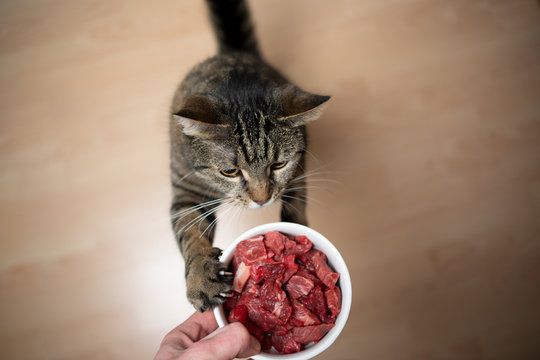
In my work, I often help cat owners correct feeding habits rather than completely change them. Raw or cooked meat can be used, but preparation makes a big difference in safety. For example, plain boiled chicken is something I have seen recommended and used successfully in many households as a supplement to regular cat food.
Some owners seek more structured feeding advice and even consult online resources or veterinary services for guidance. In one case, a client last spring told me they followed a detailed feeding plan they found through a cat nutrition consultation service after their kitten started rejecting dry food. The transition worked only because the meat portions were introduced slowly and balanced with proper nutrients.
Raw feeding is still debated among pet professionals. I have seen healthy cats thrive on carefully managed raw diets, but I have also treated cats with digestive issues after eating raw meat that was not properly handled. Hygiene, storage, and balance are the main concerns here. Meat alone is not enough if it lacks nutritional completeness.
Cooked meat is generally safer in most home environments because it reduces the risk of bacterial contamination. I usually suggest plain options without seasoning, salt, or spices. Even a small amount of onion or garlic can create serious health issues in cats, something many first-time pet owners do not realize until a problem appears.
Common mistakes I see in meat-based feeding
One of the most common mistakes is treating meat as a full diet without balance. Cats need more than just muscle meat. They also need organs and specific nutrients that are often missing in simple home-prepared meals. I have seen cats develop deficiencies after months of eating only chicken breast.
Another issue is overfeeding. Meat is calorie-dense, and indoor cats especially can gain weight quickly. I once helped a family whose cat had become noticeably overweight over a few months because they were giving large portions of cooked beef as a treat every evening. The cat was happy but physically strained, and its mobility improved after portion control was introduced.
Some owners also assume that any type of meat is automatically safe. That is not true. Processed meats like sausages or deli slices contain preservatives and high levels of salt that are harmful to cats. Even occasional feeding can create long-term health stress on the kidneys and liver.
I also notice confusion around raw bones. While some pet diets include raw bones for calcium, cooked bones can splinter and cause internal injuries. I have personally seen cases where emergency vet visits were required because of small bone fragments causing blockages.
How I approach advising cat owners in real situations
When I talk to cat owners, I try to focus on what is practical in their home rather than ideal textbook feeding. Not every household has access to specialized pet diets, so meat can serve as a useful bridge when handled properly. The goal is not perfection but consistency and safety over time.
I usually start by observing what the cat is already eating and how it responds physically and behaviorally. Appetite, stool quality, and energy levels tell more than labels on packaging. From there, I suggest small changes rather than sudden switches, especially when introducing meat into an existing diet.
One pattern I have noticed over the years is that cats respond better to routine than variety. Even when meat is included, consistency in type and preparation seems to reduce digestive issues. This is something I emphasize repeatedly because many owners rotate foods too frequently, thinking it improves nutrition.
There is also a trust factor between the cat and the owner. I have seen picky eaters slowly accept meat-based meals only after repeated calm exposure without pressure. Forcing changes usually backfires, leading to food refusal, which becomes a problem in its own right.
By the time most owners understand how their cat’s system reacts, they usually settle into a simple routine that includes a mix of commercial cat food and properly prepared meat portions. That balance tends to work well in most homes I visit regularly.
Cats can absolutely have meat, and in many ways, they depend on it more than owners initially assume. The real skill is not deciding whether to include it, but learning how to do so without creating nutritional gaps or long-term health risks. That is usually where most of my work ends up, making a difference.