
Choosing the right dog food is a critical decision for pet owners, as diet directly affects a dog’s health, energy levels, and longevity.
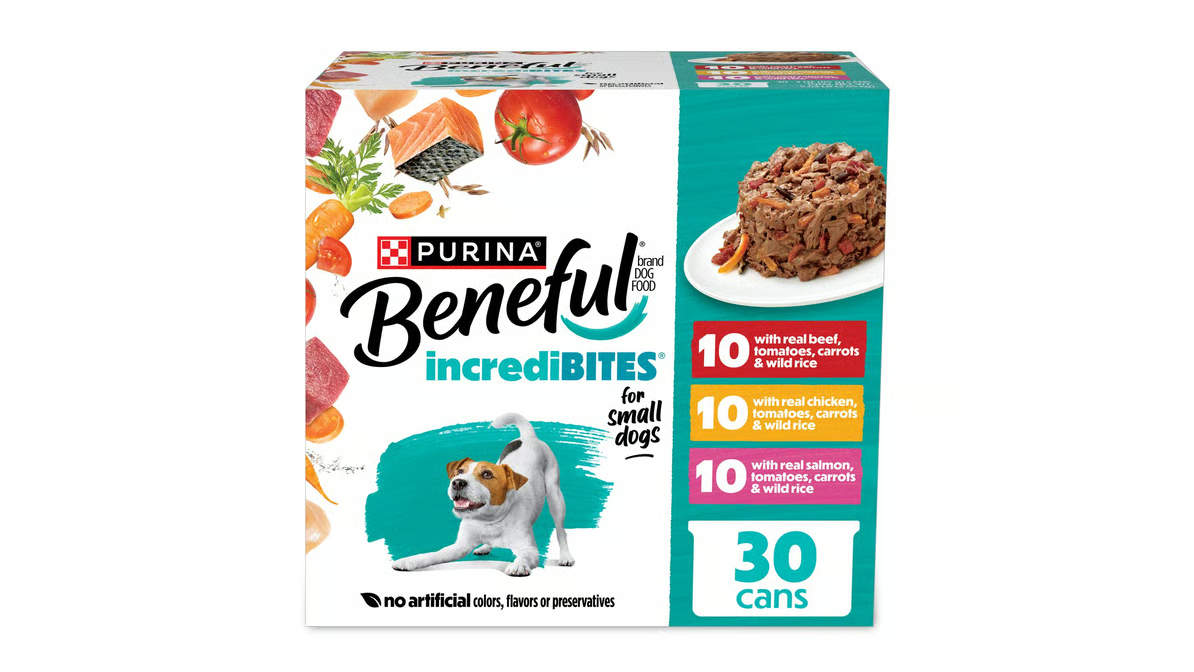
Beneful is a well-known brand widely available in pet stores and supermarkets, but pet owners often wonder whether it is a good choice for their dogs. Evaluating its safety, nutritional quality, and potential risks can help make an informed decision.
Nutritional Content
Beneful offers a variety of dry and wet dog food formulas that claim to provide balanced nutrition. Its recipes typically include:
- Proteins from sources like chicken, beef, or salmon
- Grains such as corn, wheat, and rice
- Added vitamins and minerals
- Some formulas include vegetables and antioxidants
While these ingredients can support general health, the quality of protein sources and the inclusion of certain fillers can vary. Grains like corn and wheat are often used as inexpensive carbohydrate sources, but they may not be ideal for dogs with sensitivities or allergies.
Safety Considerations
Beneful has faced recalls in the past due to concerns about contamination and ingredient safety. While the company has addressed these issues, it is a reminder that not all mass-produced dog foods are free from risk. Pet owners should consider:
- Checking the latest recall history before purchasing
- Observing how their dog responds to a new food
- Consulting a veterinarian if the dog has a history of allergies, digestive issues, or other health conditions
These steps help ensure that the food is suitable for the individual dog rather than relying solely on brand reputation.
Potential Risks
Some dogs may experience digestive upset, such as vomiting or diarrhea, when switching to or consuming Beneful. This can result from:
- Sudden changes in diet
- Sensitivity to certain grains or protein sources
- Presence of artificial additives in some formulas
Long-term feeding of lower-quality protein and grain-heavy formulas may contribute to weight gain or nutritional imbalances in some dogs. Careful monitoring of portion sizes and regular veterinary check-ups can mitigate these risks.
Common Misunderstandings
Several myths surround commercial dog foods like Beneful:
- Myth: All widely available brands are equally nutritious. Large distribution does not guarantee high-quality ingredients.
- Myth: Dogs need fillers for energy. Dogs primarily benefit from high-quality proteins and fats; unnecessary fillers provide calories without meaningful nutrition.
- Myth: Dry kibble alone is sufficient for complete health. While convenient, a diet should be balanced for a dog’s specific age, breed, and health needs.
Awareness of these misunderstandings helps owners evaluate whether a product meets their dog’s unique nutritional requirements.
Practical Decision-Making
For owners considering Beneful:
- Review ingredient lists and select formulas that prioritize high-quality proteins.
- Introduce new food gradually to reduce digestive upset.
- Observe your dog’s weight, coat condition, and stool quality over time.
- Consider supplements or alternative foods if the dog has allergies, sensitivities, or specific dietary needs.
Comparing Beneful with other reputable brands and consulting a veterinarian can guide choices that align with a dog’s health and lifestyle.
Conclusion
Beneful provides accessible and generally safe options for many dogs, but it is not universally ideal. The brand’s use of grains and certain additives may not suit every dog, especially those with sensitivities or special nutritional needs.
Responsible pet care involves examining ingredients, monitoring your dog’s response, and making adjustments as needed. Thoughtful evaluation ensures that dietary choices support long-term wellbeing, safety, and a healthy, active life for the dog.