I run a small dog grooming studio on the town’s edge, spending my days face-to-face with dogs of all kinds. Over the years, I’ve learned to read them quickly, often before they make a sound or shift. Owners often ask if their dog is smiling, sulking, or giving attitude. From daily experience, the answer isn’t a simple yes or no.
What I Notice in the Grooming Chair
When a dog’s on my grooming table, I watch their face and coat. A relaxed dog shows soft eyes, a slightly open mouth, and loose lips—almost a quiet grin. Tight lips, wide eyes, or pulled-back ears usually mean stress; I see the pattern weekly.
One dog last winter narrowed his eyes every time I reached for the clippers. It looked like annoyance, but his stiff posture showed unease. I slowed down, gave breaks, and his expression softened in about ten minutes. That facial shift matched his comfort level.
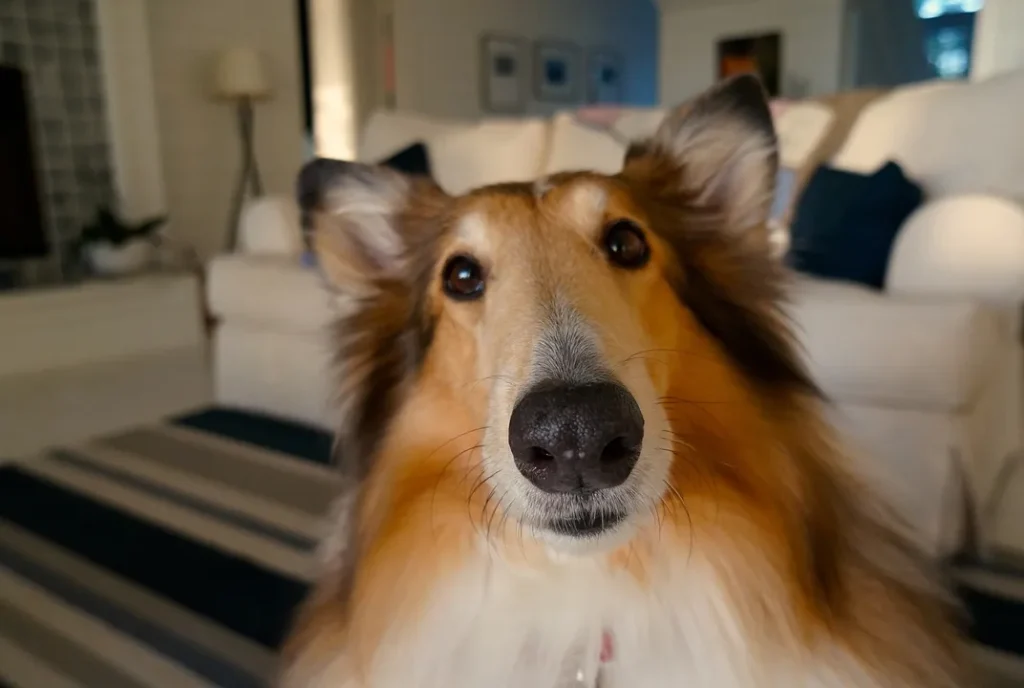
Dogs don’t raise their eyebrows in the same way humans do, yet subtle muscle movements still change how their faces look. A slight lift above the eyes can make them appear curious or concerned. It happens fast. You miss it if you’re not paying attention.
Are Dogs Actually Expressing Emotions With Their Faces
I’ve had long conversations with regular clients about this, especially those who treat their dogs like family members, which is most of them. Last summer, one customer pointed me to a training resource called “Do Dogs Have Facial Expressions?” that discussed how dogs evolved facial muscles specifically to communicate with humans. That idea matches what I see in real situations, though I approach it cautiously.
There’s evidence that dogs developed facial muscles, especially around the eyes, to better interact with people. “Puppy eyes” aren’t random. Still, not every expression matches a human emotion. A guilty look may just be a reaction to your tone or posture, not actual guilt.
I often remind owners: we project our feelings. A droopy face may look sad, but it could be fatigue or a dog’s natural structure. Bulldogs, for example, seem serious even when content.
Common Expressions I See and What They Usually Mean
After working with hundreds of dogs, certain facial patterns keep coming up. These are not exact translations, but they are reliable enough to guide how I handle each dog:
Relaxed mouth and soft eyes usually signal comfort. A tight mouth and a hard stare often mean the dog needs space. A quick lip lick can show mild stress, especially during grooming. Wide eyes with visible whites tend to indicate fear or uncertainty.
I had a small terrier come in about three months ago who showed the whites of his eyes whenever I got close to his paws. That told me more than any bark or growl. I adjusted my approach, worked in shorter intervals, and kept my hands visible to him at all times. His face gradually changed, and by the end, he was standing calmly.
These cues matter instantly. Dogs don’t need words. Their faces say enough.
Why Owners Misread Their Dog’s Face
Most people see dogs through a human lens, which can cause confusion. A dog showing teeth might seem like a smile, but often it’s a warning. I’ve seen this misunderstanding lead to trouble, especially with kids.
Social media doesn’t help either. Photos freeze a moment that might not reflect the dog’s true state. A snapshot of a squinty-eyed dog can be labeled as “grumpy” when the dog is just mid-blink or reacting to sunlight. Context matters more than a single frame.
Breed matters too. Huskies have expressive faces; greyhounds look almost blank even when engaged. That doesn’t mean one feels more than the other—just that their faces differ.
How I Use Facial Cues to Keep Dogs Calm
In my shop, reading a dog’s face is part of safety. I adjust my pace, tools, and even my voice based on those small movements. A dog might start with a neutral expression, then slowly tighten around the eyes. That means something is off. I don’t wait for a growl.
I use mirrors and positioning to avoid surprises. If a dog can see me, their face stays softer. If they feel unsure, the change is instant and clear. This awareness has prevented bites on more than one occasion.
Sometimes I step back for a moment. That pause can reset everything.
I trust these subtle signals. Dogs don’t communicate as we do, but their faces aren’t blank. Watch enough, and patterns emerge—those patterns tell a story.