
Fish oil is a common supplement that many dog owners use to support their pet’s health. It contains omega-3 fatty acids that help with skin, joints, and overall wellness. Still, giving the right amount matters more than just adding it to the bowl. Too little may not help, while too much can cause unwanted problems.
Why Dogs Benefit from Fish Oil
Fish oil provides omega-3 fatty acids, such as EPA and DHA, which are known to support several body functions. These nutrients can help reduce inflammation, especially in dogs with joint pain or stiffness. Dogs with dry skin or dull coats may show visible improvement after a few weeks of proper use. The results are often gradual, not instant.
Many pet owners notice better mobility in older dogs. A dog weighing 25 kilograms with mild arthritis may show improved movement within 3 to 4 weeks of consistent dosing. This change can make daily walks more comfortable. Short steps become smoother.
Fish oil also supports heart health by maintaining blood flow and may reduce certain risks. Some vets recommend it for dogs with chronic conditions, but it should never replace prescribed treatment.
Recommended Dosage Based on Weight
The correct dosage depends mainly on your dog’s weight and health needs. A common guideline suggests 20-55 mg of combined EPA and DHA per pound of body weight daily. This wide range allows the dosage to be adjusted based on specific conditions and individual dog responses. Some dogs may require doses on the lower end, while others may benefit from doses closer to the higher end of the range.
For example, a 10-pound dog may need 200 to 500 mg per day, while a 50-pound dog may need 1000 to 2500 mg per day. For more detailed, veterinary-backed guidance, many owners check trusted resources, such as how much fish oil to give a dog, to better understand safe ranges and adjustments.
Start small. Always begin with the lower end of the range and increase slowly if needed. This approach helps avoid digestive upset and allows you to monitor how your dog reacts. Every dog is different.
Signs You Are Giving the Right Amount
When the dosage is correct, you may notice several positive changes. A dog’s coat often becomes shinier and softer within two to three weeks. It may feel smoother when you run your hand along their back. Skin irritation may also be reduced.
Energy levels can improve slightly. Dogs that were less active due to mild joint discomfort might become more playful again. This is especially noticeable in senior dogs. Small changes matter.
There should be no negative symptoms. No vomiting. No loose stools. If your dog remains comfortable and shows gradual improvement, the dosage is likely suitable. Consistency helps maintain these benefits.
Risks of Giving Too Much Fish Oil
Overdosing on fish oil can lead to several issues. The most common problem is digestive upset, including diarrhea and greasy stools. This can happen quickly if the dosage is too high. It is not pleasant for your dog.
High amounts over time may also affect blood clotting. Dogs taking large doses for weeks without supervision could face increased bleeding risks, especially during injuries or surgery. This risk is often overlooked.
Weight gain is another concern. Fish oil adds extra calories, and frequent overuse can contribute to gradual weight increase, especially in less active dogs. Even a small daily excess can build up over a month. If unsure, consult a veterinarian before increasing the dose. Careful monitoring prevents most problems.
Best Ways to Give Fish Oil to Your Dog
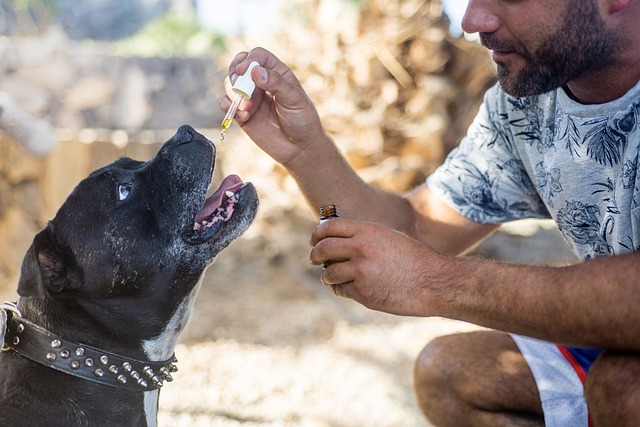
Fish oil comes in different forms, including liquid pumps and soft gel capsules. Liquid is easier to mix with food and allows better control over dosage. Capsules may work well for dogs that accept them like treats.
Mixing fish oil into regular meals is the simplest method. Most dogs accept the taste without issues, especially if added to wet food. Dry kibble may need a little mixing to coat evenly. Keep it fresh.
Here are a few practical tips for feeding fish oil:
– Start with half the recommended dose for the first few days.
– Store the oil in a cool, dark place to prevent spoilage.
– Use a measuring spoon or pump for accuracy.
– Watch for any changes in digestion or behavior. Giving fish oil at the same time each day builds a habit and ensures consistency. Dogs respond well to stable routines.
When to Talk to a Veterinarian
Some situations require professional advice before starting fish oil. Dogs with medical conditions such as diabetes or pancreatitis may require special consideration. The same applies to dogs already taking medication. Interactions can occur.
If your dog is pregnant or nursing, consult a vet before adding supplements. Their nutritional needs are different during this period. A wrong dose could affect both the mother and the puppies. Extra care is needed.
Unexpected reactions should never be ignored. If your dog shows vomiting, lethargy, or unusual bleeding, stop the supplement and seek help immediately. Early action can prevent complications. Safety always comes first.
Giving your dog fish oil can support overall health when used with care and at the proper dose. Small, consistent amounts often work better than large, irregular ones. Watch your dog closely and adjust as needed. A thoughtful approach keeps your pet comfortable while gaining the benefits of this supplement.