
I work as a veterinary nurse at a busy small-animal clinic in Faisalabad, and I also run weekend cat nutrition consultations for pet owners trying to resolve everyday feeding issues. One question I hear almost weekly is whether leaving food out all day is actually harmful for cats. Most people assume cats will self-regulate, but what I see in real homes often tells a different story.
Free feeding looks simple on the surface, yet it quietly creates problems that show up later in weight, behavior, and health checks.
How free feeding shows up in real homes
In many households I visit, free feeding starts with good intentions. Owners want their cats to feel relaxed around food and avoid stress-related hunger. I have seen homes where bowls are topped up two or three times a day without anyone tracking how much the cat actually eats. Over time, the bowl becomes a constant background presence, and feeding stops feeling like a structured routine.
One client last spring had three indoor cats and believed constant access to kibble was the kindest approach. All three cats looked fine to her at first glance, but during a routine check, I noticed slow weight gain and very different eating patterns between them. One cat would graze all day, another would eat only at night, and the third barely touched dry food unless it was fresh. That inconsistency made it difficult to understand their true intake and health status.
From what I see, cats do not always behave like natural self-regulators when high-calorie dry food is always available. They often snack out of boredom rather than hunger, especially in smaller apartments where stimulation is limited. I have recorded cases where cats were eating the equivalent of two full meals spread across random bites, without owners realizing it. That kind of pattern builds slowly, which is why it is often ignored until weight becomes a visible concern.
What I notice in clinic intake exams and feeding habits
During intake exams, I always ask how food is offered at home, as this affects how I interpret a cat’s weight and digestion. In many cases, free feeding hides the actual daily calorie intake, and owners cannot estimate it even roughly. I once had a consultation where the owner insisted the cat “barely eats,” but later we discovered the bowl was refilled multiple times a day without measurement. That mismatch is more common than people expect. In the middle of this process, I often direct owners to local support, like ” Is free feeding cats bad, so they can get help understanding portion control and feeding schedules more clearly in a structured way that fits their routine.
What stands out to me is how quickly assumptions form around behavior. A cat that grazes slowly is often labeled as a light eater, even if the total intake is high. I have seen cats maintain a steady eating pattern throughout the day that adds up to more than a single measured meal would provide. This is why I prefer asking owners to temporarily switch to measured feeding before drawing any conclusions about appetite or health.
Clinic weight charts also show patterns that are hard to ignore. Indoor cats on free-feeding routines tend to gain weight over months rather than weeks, making it harder for owners to notice early. A few hundred extra calories a week might not seem like much, but over time, they can significantly change body condition. That gradual change is one of the biggest challenges I face when trying to correct feeding habits.
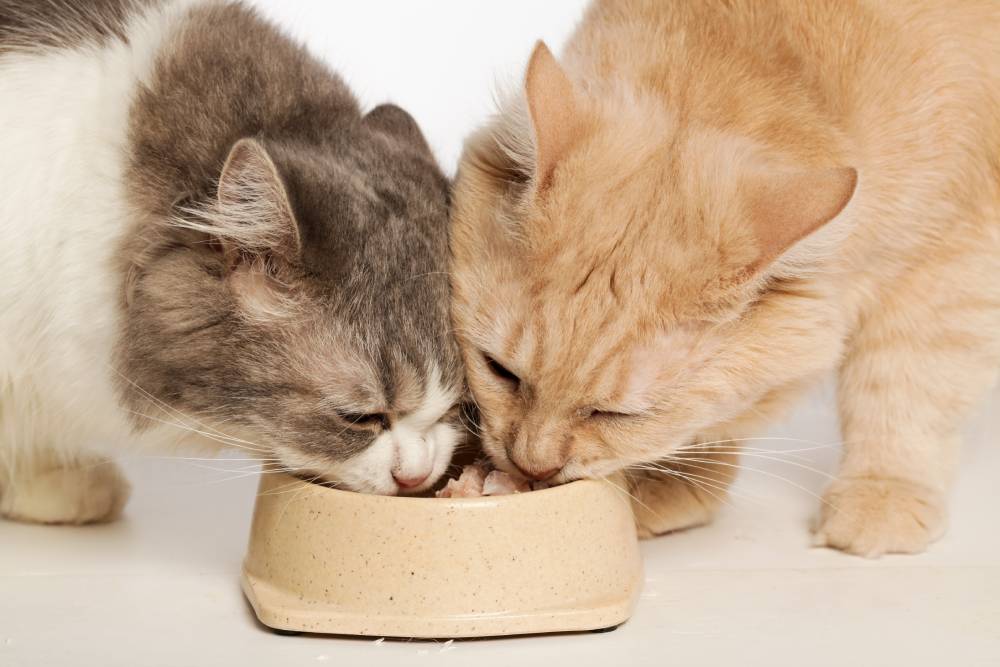
Weight gain, picky eating, and behavior changes
One of the first issues I see with free feeding is gradual weight gain. Cats do not always overeat in obvious bursts, so owners miss the trend until the cat struggles to jump or groom properly. I remember a middle-aged indoor cat that gained nearly two kilograms over a year, simply because food was always available and boredom eating became routine. The owner only noticed when the cat started avoiding higher furniture.
Picky eating is another side effect that surprises people. When food is always present, some cats start ignoring stale kibble and wait for fresh servings, which gets mistaken for fussiness. I have seen cats refuse perfectly fine food because they learned that something better might appear later. This behavior is not about taste alone; it is also about learned expectations from the feeding environment.
There is also a behavioral shift in some cats, where food becomes less structured and more random. I once worked with a cat that would wake the household multiple times at night just to check if fresh food had been added. The routine had no boundaries, so the cat created its own. These habits are harder to reverse than people expect because they are reinforced daily over long periods.
How I usually shift cats away from free feeding
When I help owners move away from free feeding, I do it gradually rather than abruptly. Sudden changes often cause stress or refusal to eat, especially in cats that have never experienced scheduled meals. I usually start by measuring the total daily food and splitting it into two or three set times. This gives structure without shocking the cat’s routine.
Another step I recommend is using food puzzles or slow feeders. These tools turn eating into a quick activity rather than an all-day grazing habit. In one case, a young cat that had been constantly eating adjusted within two weeks after meals were scheduled and enrichment was added. The owner told me the house felt calmer because food no longer dominated the cat’s behavior.
Consistency matters more than perfection in these transitions. I have seen owners succeed even when they are not perfectly strict, as long as feeding times stay predictable. Cats respond strongly to patterns, and once they understand that food arrives at specific times, they usually adapt faster than expected. It is not about restriction alone, but about giving structure that matches their natural rhythm.
Over the years, I have become cautious about recommending free feeding without context. It may work in a few low-risk situations, but in many homes it slowly shifts weight, behavior, and expectations in ways that are hard to notice early. A small change in feeding routine often makes a bigger difference than people expect.