
I work as a mobile cat groomer and spend a lot of time in cramped kitchens, bathrooms, and laundry rooms, helping cats who would rather be anywhere else. Eye drops are more common than people expect, often after a vet visit for infection, allergies, or irritation from dust and grooming. I’ve done this for years, and I still treat every cat like a new challenge because their mood changes everything. What works on one cat can completely fail on another sitting right next to it.
Understanding the cat before you start
Before I even touch a bottle of eye drops, I watch the cat for a few minutes. Some cats are already defensive just from being picked up, while others freeze and accept handling without much resistance. I’ve learned that rushing straight in almost always makes things worse, especially with cats that have had previous eye discomfort. A customer last spring had a young tabby that tolerated petting but turned instantly defensive when petting approached the face.
In those situations, I don’t try to overpower the cat. I get them comfortable on a stable surface like a counter or a towel-covered table, and I keep my movements slow. I also make sure everything I need is within reach, so I don’t have to search for the bottle mid-process. Cats pick up on hesitation more than people think, and that small delay can make them pull away or hide.
I also check the eye area closely before doing anything. If there’s heavy discharge, swelling, or the cat is constantly squinting, I slow down even more because those eyes are already sensitive. I’ve had cases where the issue looked simple but turned out to be more serious, and in those moments, patience matters more than speed. I remind myself that the goal is not to finish fast, but to avoid making the situation worse.
Getting the eye drops in without a wrestling match
When I’m actually ready to apply eye drops, I position the cat so that sudden movement is limited without stressing them out. Most of the time, I gently wrap them in a towel, leaving just the head exposed, but I avoid tightening it too much. I’ve learned that pressure builds panic fast, especially in smaller cats that feel trapped easily. One calm hand on the body and one hand free for the bottle is usually enough control if the setup is right.
I once helped a family whose cat would disappear under the couch whenever the bottle came out, so we had to change our approach entirely. We used a quiet bathroom and dim lighting, and placed the cat on the sink counter to reduce escape routes. In cases like that, having proper guidance matters, and I often suggest a local vet or professional service, such as how to put eye drops in a cat, for hands-on demonstrations if the cat is particularly difficult. The difference between struggle and cooperation often comes down to environment and timing more than strength.
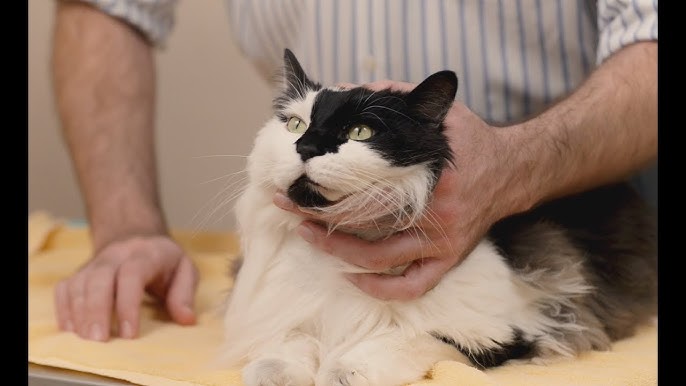
To apply the drops, I gently tilt the cat’s head slightly upward using one hand under the chin. With the other hand, I hold the bottle above the eye, never touching the eye directly, and let the drop fall into the lower eyelid pocket. I’ve found that aiming slightly off-center reduces blinking and panic. If the cat flinches, I pause instead of forcing another drop immediately.
Some cats tolerate it better if I talk softly during the process, but others prefer silence. I adjust based on their reactions rather than following a fixed routine. I’ve done this on cats that needed daily treatment for a week, and consistency usually matters more than intensity. By the third or fourth attempt, most cats start predicting the routine and resist less.
What happens after, and what I watch for
After the drops are in, I don’t immediately release the cat if they are still tense. I hold them for a few seconds and gently stroke the head or neck area so they don’t associate the release with panic. Some cats will try to rub their eyes right away, so I keep a close watch for the first minute. A small distraction, like a treat or soft voice, helps redirect that instinct.
I also check for immediate reactions, such as excessive blinking, pawing, or sudden irritation. Mild blinking is normal, but aggressive rubbing usually means the cat didn’t tolerate the drop well or the eye is already very sensitive. I’ve had situations where I needed to call the vet back just to confirm whether the medication was appropriate or if the eye condition had changed. It’s better to question early than to assume everything is fine.
In multi-day treatments, I keep track of how the eye looks from one day to the next. Improvement is usually gradual, not instant, and I’ve learned not to judge results too quickly. A customer with an older Siamese cat once expected full recovery in two days, but the real improvement took nearly a week of consistent drops. The key is steady application without turning each dose into a stressful event.
Over time, I’ve realized that the technique matters less than the attitude behind it. If I approach it calmly, most cats eventually settle into the process, even if they never fully like it. The goal is always to reduce stress while keeping treatment consistent enough to actually help the eye heal.