
Many cat owners dream of having a calm, cuddly pet that enjoys sitting close. Some cats naturally love laps, while others prefer their own space. This behavior depends on personality, past experiences, and environment. With patience and the right approach, you can encourage your cat to feel safe and relaxed near you.
Understanding Your Cat’s Personality
Every cat has a unique personality. Some cats are naturally affectionate, while others are more independent and cautious. Breed can play a role, but early socialization matters even more. A cat raised with gentle human interaction is often more open to physical closeness.
Age also affects behavior. Kittens under 6 months are usually more playful and may not sit still for long. Older cats may enjoy quiet time and prefer resting in warm, soft spots. Observing your cat’s habits helps you understand what they like.
Body language tells a lot. A relaxed tail, slow blinking, and gentle purring show comfort. If your cat flicks its tail or moves away, it may not be ready yet. Respect their signals.
Building Trust and Comfort Over Time
Many pet behavior resources explain how to make my cat a lap cat by focusing on trust and patience rather than forcing physical contact. These approaches highlight that cats need to feel safe before they choose to sit close to you. Rushing the process can create fear instead of comfort.
Start by sitting near your cat without trying to pick them up. Let them come to you at their own pace. Place a soft blanket on your lap to make it more inviting. This creates a warm and comfortable surface.
Gently pet your cat in areas they enjoy, such as under the chin or behind the ears. Start with short sessions and gradually increase the time as your cat relaxes.
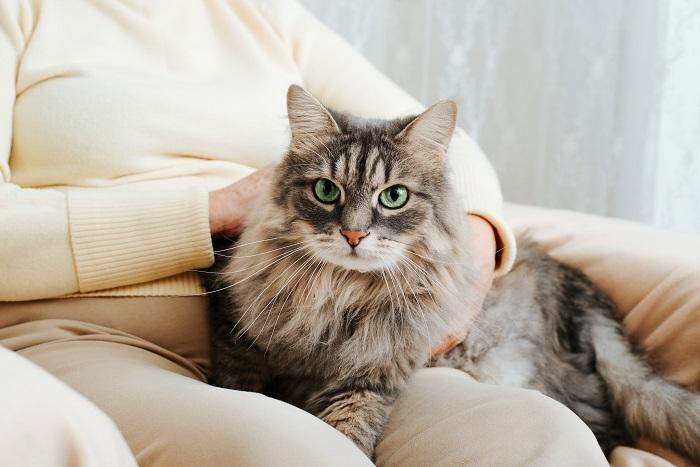
Creating a Lap-Friendly Environment
The environment plays a big role in your cat’s behavior. Cats prefer calm and quiet spaces where they feel secure. Loud noises or sudden movements can scare them away. Choose a peaceful time, like evening, to sit with your cat.
Temperature matters too. Cats love warmth, and your lap can feel like a cozy spot if the room is slightly cool. A soft blanket or cushion can make your lap even more attractive. Comfort encourages closeness.
Lighting also affects mood. Dim lighting can help your cat relax and feel safe. Bright lights may make them alert and less likely to settle down. Small changes can make a difference.
Using Positive Reinforcement Techniques
Rewards can help your cat associate your lap with positive experiences. Treats are one of the easiest ways to encourage this behavior. Offer a small treat when your cat comes close or steps onto your lap. Keep portions small.
Timing is important. Reward your cat immediately when they show the desired behavior. This helps them understand the connection. Over time, they may come to your lap without needing treats.
Consistency matters. Practice these steps daily for 5 to 10 minutes. Short, regular sessions are more effective than long ones. Patience brings results.
Here are a few simple techniques to try:
- Use treats to reward calm behavior near your lap.
- Place a favorite blanket on your lap.
- Speak softly to create a relaxed mood.
- Avoid sudden movements while your cat is nearby.
Common Mistakes to Avoid
Forcing your cat to sit on your lap can damage trust. Picking them up and holding them against their will often leads to stress. Cats remember negative experiences. This can make them avoid you.
Ignoring your cat’s signals is another mistake. If your cat tries to leave, let them go. Holding them longer may cause fear or irritation. Respect builds trust.
Overusing treats can also create problems. Too many treats may lead to weight gain or reduce their effectiveness as a reward. Balance is key. Use them wisely.
When Some Cats May Never Become Lap Cats
Not all cats will become lap cats. Some prefer sitting nearby instead of directly on you. This does not mean they do not care about you. Cats show affection in different ways.
A cat may choose to sit next to you rather than on your lap. This still shows trust and comfort. Accepting your cat’s personality helps build a stronger bond. Every cat is different.
Some cats may change over time. A shy kitten can become more affectionate as it grows older and feels secure in its environment, especially when given consistent care and positive interaction from its owner. Patience is essential.
Encouraging your cat to become a lap companion takes time, consistency, and understanding. By creating a calm environment and building trust step by step, you can increase the likelihood that your cat will choose to sit close and enjoy your company in a relaxed way.