
As a mobile groomer, I often get asked how quickly cat hair grows back. The answer depends on cycles, health, and environment rather than a fixed timeline. Owners tend to notice changes after shedding or haircuts, but growth is variable.
What Hair Growth Looks Like on a Cat
In my daily grooming work, I see that cat hair doesn’t grow in a single, steady line like human hair tends to. It grows in cycles that include growth, rest, and shedding phases happening at different times across the body. Most healthy cats grow about a few millimeters of coat per week, but that changes depending on breed and nutrition. A short-haired cat can appear to regrow its coat faster simply because the length difference is easier to notice.
I’ve had a customer last spring bring in a domestic shorthair that looked patchy after a heavy shed. Two weeks later, the coat was already fuller in some areas, leading them to think the growth had suddenly accelerated. What was actually happening was that different follicles were just entering their growth phase at different times. This staggered cycle is why coat changes can feel uneven or unpredictable.
Temperature also plays a quiet role in how the coat behaves. Cats living indoors with stable heating tend to shed more consistently year-round, while outdoor cats exhibit more seasonal shedding patterns. I’ve seen indoor cats regrow coat steadily after grooming sessions, sometimes within three to four weeks, showing visible density again. Outdoor cats, on the other hand, often shift their coat thickness more dramatically between seasons.
Factors That Influence Regrowth Speed
Diet, stress, and health all impact hair regrowth. Cats on high-protein diets regrow more consistently. Stress can slow the hair cycle, especially during moves or loud changes. Even minor routine changes can affect texture.
When I work with clients who want faster coat recovery after shaving or heavy shedding, I often point them toward reliable grooming support and proper coat maintenance habits. In some cases, they also look for trusted services, such as mobile cat grooming, that can handle regular brushing and coat care without stressing the animal. A calm grooming environment makes a noticeable difference in how quickly a coat returns to its normal thickness. I’ve seen anxious cats take almost twice as long to regain a smooth coat compared to relaxed ones.
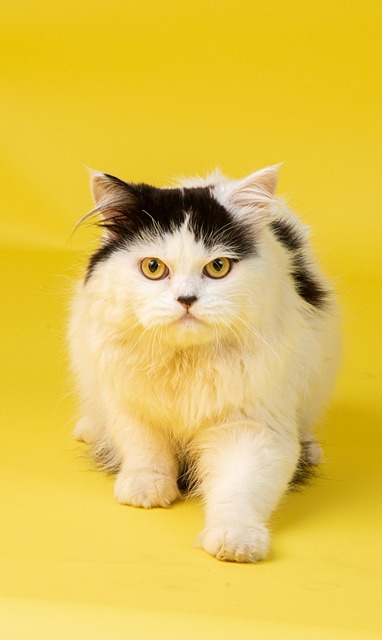
Breed genetics: Breed matters: long-haired breeds like Persians regrow in visible layers; short-haired cats may seem slower, though follicles are just as active. Visible length isn’t the only growth indicator. One factor that often gets overlooked. Younger cats typically regenerate their coat more quickly due to a more active metabolism and increased skin turnover. Senior cats, however, may show slower regrowth even when healthy, simply because their biological processes have slowed. I’ve noticed this especially in cats over ten years old, where coat recovery can take noticeably longer after grooming.
Shedding Cycles and What They Mean in Real Life
Shedding is not random, even though it often feels that way to cat owners. In my grooming van, I see clear patterns tied to daylight exposure and indoor lighting conditions. Cats exposed to more natural light tend to shed in stronger seasonal waves, while indoor cats shed in smaller, more continuous amounts. This directly affects how quickly new hair grows in after the old coat falls out.
One thing I’ve learned over time is that brushing frequency changes the perception of regrowth speed. Cats that are brushed regularly seem to regrow their coat more evenly because loose fur is removed before it mats or clumps. Without brushing, dead hair can hide new growth underneath, making it look like nothing is happening at all. In reality, the growth is there but visually blocked.
Stress-related shedding can also confuse owners into thinking hair is not growing back properly. A nervous cat may shed heavily in a short period, and then take time to stabilize its coat cycle again. I’ve seen cats in new homes take several weeks to regain a balanced coat pattern. During that time, growth continues quietly beneath the surface, even if it doesn’t look obvious.
What I See During Grooming Sessions
In mobile grooming, compare coats before and after grooming to track regrowth. Some cats show visible regrowth after two weeks with a stable diet and low stress; others take about a month. No timeline fits every cat. Working on a long-haired cat that had been shaved due to matting issues. The owner expected full regrowth within a few weeks, but I explained that a full coat cycle could take several months, depending on how the follicles reset. Over time, we tracked progress, and the coat slowly returned in layers rather than all at once. That experience helped the owner understand that patience matters more than speed.
Brushing and gentle care between grooming sessions influence results more than many expect. A maintained coat not only looks healthier but also boosts follicle activity. I recommend simple weekly routines over intense, occasional grooming. Small repeated habits lead to better outcomes than sporadic, vigorous sessions.
Working with cats over the years has shown me that hair growth is less about speed and more about rhythm. Once you start observing that rhythm, it becomes easier to understand why some coats seem to change quickly while others take their time. The pattern is always there, even if it’s not immediately visible.