
As a mobile dog groomer, clients frequently ask about stool samples, especially after vet visits or ongoing stomach issues. Through trial and error, I developed a routine that keeps the process clean and less stressful for everyone involved.
Why Timing Matters More Than Most People Think
Fresh samples make a huge difference. I learned that the hard way after helping a customer who kept bringing in samples that had been sitting overnight in a garage during summer heat. The vet could not get clear results because the sample had already begun to break down by the time it arrived.
I try to collect the stool within 15 minutes if possible, especially if the dog has diarrhea or visible mucus. Parasites and bacteria can change quickly once the stool dries out or warms up too much. A cold sample is usually better than a warm one, but a fresh one is always the safest option.
Most vets I know ask for about a teaspoon-sized amount. That surprises people. They picture filling a whole container, but they usually need much less than expected. Small dogs make this easier.
I keep disposable gloves and a few sealable plastic containers in my grooming van year-round. Cheap food storage containers work fine in many cases, though some clinics hand out special collection cups in advance. I have seen people use paper towels or napkins, but they often leak or dry out before the sample reaches the clinic.
The Easiest Way I Have Found to Collect the Sample
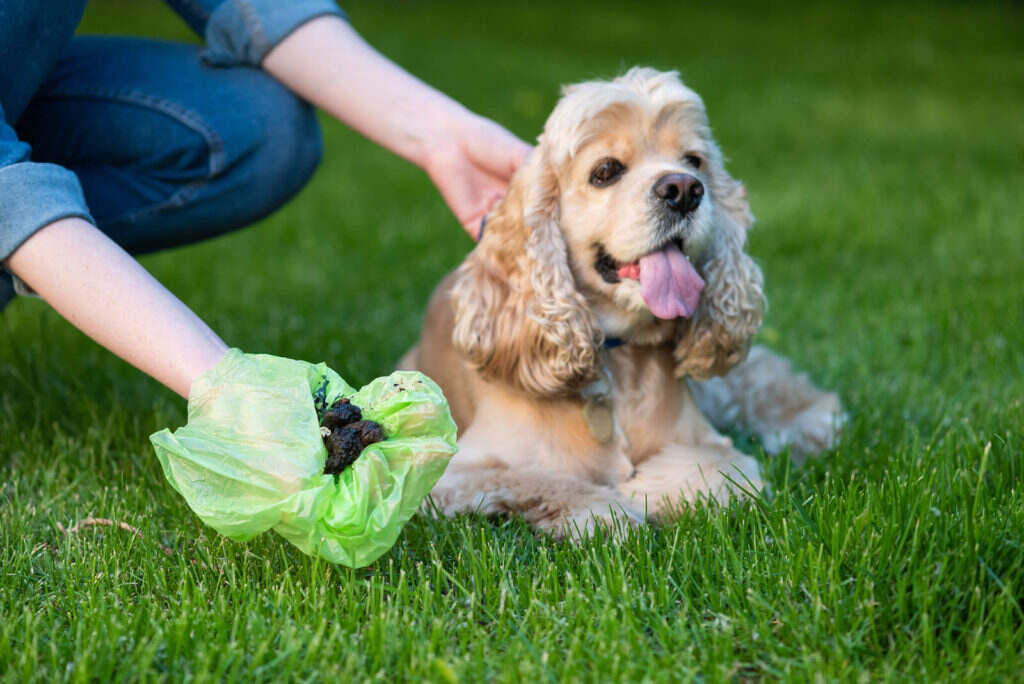
I wait until the dog squats, then quickly slide a clean container or plastic bag under them before the stool touches the ground. He keeps everything clean and simple. One local clinic I have recommended to customers before is how to collect a stool sample from a dog, because their instructions are close to what most experienced handlers already do at home. I I appreciate resources that explain the process clearly, rather than making owners feel embarrassed. nervous owner usually makes the dog nervous, too..
If the stool falls on grass or dirt, I avoid collecting any parts that are covered in debris or mulc.h.I use a plastic spoon or an inverted bag to pick up a cleaner piece from the middle.in creates another problem. Wet ground can soak into the sample almost immediately, especially in softer stool. During one stormy week last spring, I told several customers to walk their dogs on pavement instead of grass for sample collection because concrete keeps contamination lower and cleanup easier.
Handling Nervous or Difficult Dogs
Some dogs act completely different once they sense their owner watching too closely. I have seen shy rescue dogs hold their bowel movements for hours just because someone followed them around the yard with gloves and a container. Patience matters more than technique in those cases.
I usually tell owners to stick to the dog’s normal routine. Same leash. Same walking route. Same quiet tone of voice. Dogs notice tiny changes, and some become suspicious fast A Labrador I worked with years ago refused to poop if anyone stood behind him. TA Labrador, whom I worked with years ago, refused to poop if anyone stood behind him. The owner thought something medical was wrong, but the dog simply hated feeling cornered. We solved it by using a longer leash and pretending not to pay attention while keeping the collection bag ready. Puppies move quickly and sometimes step right into their own stool before you can react.
Tiny breeds are trickier indoors. Cleaning soft stool from fur can take a while if the collection method is too early or awkward. Do it in direct sunlight or inside a hot car. Heat changes the smell fast, and it can affect testing quality too. If I cannot drop it off within an hour or two, I place the sealed container inside a second bag and refrigerate it.it.
Most clinics I know prefer samples collected the same day. Some accept samples up to 24 hours old if they were kept cold the whole time. Past that point, results can become less reliable depending on what they are testing for.
I label containers whenever there are multiple dogs in the home. That sounds obvious, yet mix-ups happen constantly in multi-dog households. Years ago, a customer accidentally brought in a stool from the healthy dog rather than the sick one, delaying treatment for nearly a week.
The smell gets strong quickly. Very strong. Double bagging helps more than people realize, especially during long drives. I also avoid glass containers because they slide around and crack too easily in a vehicle.
Signs in the Stool That I Pay Attention To
While collecting samples, I usually take a quick look before sealing the container. Certain changes stand out immediately. Black stool, streaks of blood, visible worms, or a greasy gray appearance can all point toward different health problems.
Texture matters too. Stool that looks like pudding for several days often signals something more serious than a random upset stomach from eating table scraps. On the other hand, a single soft bowel movement after a stressful boarding stay does not always indicate a major issue.
I remember one older shepherd mix whose stool looked normal at first glance until sunlight hit it just right, revealing tiny, moving white segments. The owner thought it was rice from leftovers. It was not rice.
Photos can help if the stool changes between bathroom trips. I know people hate taking those pictures, but vets sometimes catch patterns from color and consistency that are gone by the time the sample reaches the office. A quick photo in natural daylight works better than a blurry picture taken indoors at midnight.
After doing this for years, I stopped treating stool collection like some gross emergency task that ruins the whole day. Dogs get stomach bugs, parasites, food reactions, and stress diarrhea, just like people do. A clean sample, collected calmly and brought in quickly, usually saves time and gets answers faster than guessing at symptoms from memory alone.