
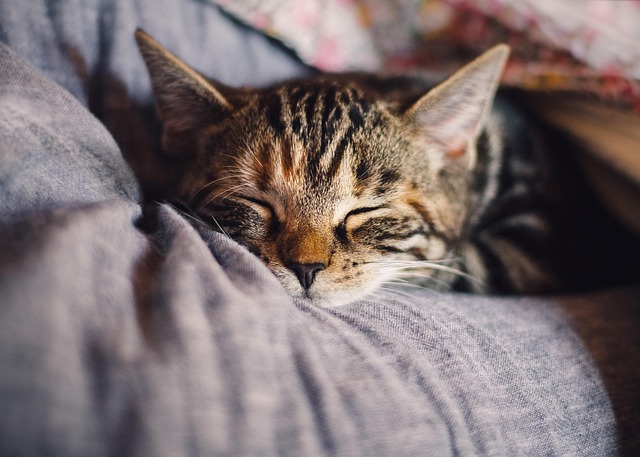
Many cat owners want their pets to nap on their lap or chest. Cats are independent and pick their own spots. With patience and the right approach, you can make your cat feel safe enough to sleep on you. Knowing their preferences, body language, and routines is key. Small changes in your actions and environment can help.
Creating a Comfortable Space
Cats are sensitive to comfort and temperature when choosing resting spots. Keep your lap or chest warm and soft with a blanket or cushion if needed. Avoid sudden movements or loud noises that may startle your cat. Create a calm, inviting environment that encourages trust. Cats often prefer slightly raised positions, so try sitting in a reclined chair.
You can find useful guidance on encouraging feline closeness at resources like ” How to Make Your Cat Sleep on You. These resources explain step-by-step methods to make your cat feel secure while resting on your body. Observing your cat’s body language and responding appropriately increases the chances that they will nap comfortably with you. Patience is essential, as some cats take weeks to adjust.
Timing is crucial. Cats are crepuscular, meaning they are most active at dawn and dusk. Offering attention during calmer hours, such as mid-morning or late evening, improves your chances of success. Avoid attempting to place your cat on you when they are fully alert and energetic. Respecting their natural rhythms makes the experience positive for both of you.
Using Positive Reinforcement
Rewarding your cat for choosing to sit on you encourages the behavior to repeat. Soft praise, gentle petting, or a small treat can reinforce the habit. Consistency is vital—every time your cat settles on you, reward them calmly. Avoid forcing your cat onto you, as this can create fear or resistance. Positive reinforcement builds trust and strengthens your bond over time.
Observe subtle signs that your cat is comfortable. Purring, kneading, and a relaxed body posture indicate they are content. Some cats may need to sniff and circle before lying down. This behavior is natural and shows they are assessing safety. By remaining still and calm during this process, you signal that you are a safe resting companion.
Play before naptime can also help. Engaging your cat in a short interactive play session can help expend excess energy and make them more inclined to settle. Even five to ten minutes of chasing a toy or light pouncing can make a noticeable difference. A tired cat is more likely to choose your lap as a secure and restful spot.
Establishing a Routine
Cats thrive on routine, which can include predictable nap times with you. Try to maintain consistent times each day when you offer your lap or chest as a resting place. Over time, your cat will associate this spot with relaxation and security. The routine provides structure, making them more comfortable and more willing to join you. Sudden changes in your schedule may make them hesitant to lie down with you.
Creating cues can also help. Gentle talking, soft music, or even a particular blanket can become signals for your cat that it’s time to rest. Over repeated exposures, your cat will recognize these cues and approach you voluntarily. This approach reduces anxiety and increases trust, both of which are essential for lap-sleeping behavior. Keep in mind that some cats are naturally more independent, so patience is always necessary.
Respecting their independence while inviting closeness is critical. Some cats prefer a few minutes on you, while others may sleep for hours. Avoid holding your cat down or forcibly prolonging the nap. Allowing them to leave when they wish reinforces trust. Consistently following these gentle strategies leads to more frequent and longer naps on your lap.
Understanding Your Cat’s Preferences
Every cat has unique preferences for napping positions and locations. Some enjoy lying across your chest, while others prefer curling up in a ball on your lap. Observe and adapt to these preferences to create the most inviting space. Providing gentle support, such as a folded towel or cushion, can help them feel secure. Attention to small details like warmth and softness makes a significant difference.
Environmental factors also play a role. Cats prefer quiet, dimly lit areas for resting. Reducing distractions, such as loud sounds or other pets, increases the likelihood that they will choose to sleep on you. Offering a consistent and safe environment encourages trust and comfort. Over time, your cat will associate your presence with security, making lap-sleeping a natural choice.
It is normal for cats to adjust their preferences as they age or their health changes. Older cats may seek warmth and comfort more frequently, while kittens may prefer mobility and shorter naps. Observing these changes helps you provide the right environment and continue encouraging closeness. Flexibility and patience ensure that the relationship remains positive for both you and your cat.
With consistent attention, a calm environment, and respect for their independence, most cats will eventually learn to sleep on you. Understanding their routines, providing comfort, and rewarding positive behavior strengthen your bond. Every cat is different, but patience and gentle encouragement make this affectionate behavior more likely. Over time, these strategies create moments of trust, warmth, and connection that both owner and cat can enjoy fully.