
I work as a mobile veterinary assistant with a traveling clinic that covers small towns and farm areas across rural Pennsylvania, and ear infections in cats come up more often than people expect. I have helped administer ear drops in kitchens, barns, and even on porches where the cat decided the scene was unacceptable from the start. Over time, I learned that technique matters less than patience and timing. Most cats are not resisting the medicine itself; they are reacting to how it is being handled.
Why Cats End Up Needing Ear Drops
Ear problems in cats usually start quietly, and owners often miss the early signs until the cat begins shaking its head or repeatedly scratching at one side. I have seen cases where a simple wax buildup turned into a full infection because it went unnoticed for weeks. One customer last spring thought her cat was just being moody, but it turned out there was a heavy yeast infection deep in the ear canal.
Infections, mites, and inflammation are the most common reasons I see ear drops prescribed. Some cats also develop sensitivity after allergies flare up, especially during seasonal changes when pollen is high. I remember one farm cat that spent a lot of time in dusty storage sheds, and that environment alone was enough to trigger recurring ear irritation.
The tricky part is that cats rarely show pain in a straightforward way. A dog might cry or limp, but a cat tends to withdraw or simply change its behavior slightly. That subtlety is why ear conditions often progress further than they should before treatment begins.
Preparing the Cat and Setting the Moment Right
I usually start by observing the cat for a few minutes before even reaching for the medication. If the cat is already alert and restless, I wait. Rushing the process almost always makes it harder. Calm timing saves effort later.
In my routine, I keep everything within arm’s reach before I bring the cat closer. The drops, a clean towel, and sometimes a small treat are all ready, so I do not need to step away once the process starts. Cats pick up on hesitation quickly, and any pause can reset their mood in the wrong direction.
I once worked with a client who had already tried three failed attempts before calling us. The cat had started associating the bottle solely with stress. That experience changed how I approach preparation because rebuilding trust mid-process takes far longer than setting things up properly from the start.
If someone is unsure about proper handling or needs a reference point for medication routines, I sometimes suggest checking a trusted local resource, such as how to give cats ear drops, where basic care guidance and support options are explained in simple terms. Having that backup information helps owners feel less rushed during treatment. It also reduces the chance of mistakes caused by pressure or panic. That alone can make the entire process smoother.
Go slow.
Step-by-Step Approach That Actually Works
I always begin by wrapping the cat loosely in a towel, leaving only the head exposed. This is not about restraint in a harsh sense, but about preventing sudden scratches or jerks that can spill the drops. Some cats resist strongly at first, then settle once they realize they cannot easily escape the hold.
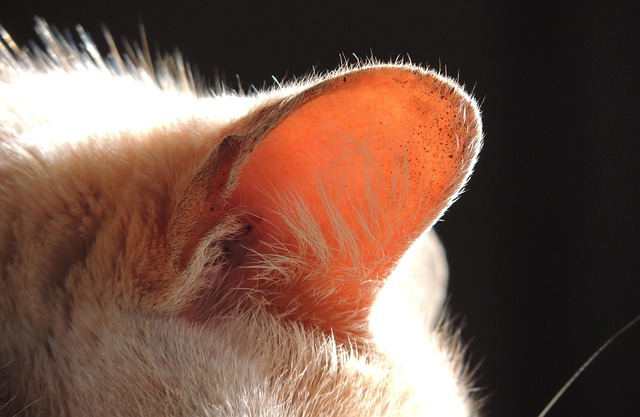
The ear itself needs to be gently held open without forcing it. I tilt my head slightly and make sure I can see the ear canal before applying anything. Drops should go in calmly, not rushed, because aiming too quickly often leads to missing the target and wasting medication.
After the drops go in, I lightly massage the base of the ear for about 20 to 30 seconds. That helps distribute the medication deeper into the canal. Cats usually react with a quick head shake afterward, which is normal and expected. I do not try to stop that part.
There is a short rhythm I follow:
– Secure towel wrap
– Calm head hold
– Apply drops slowly
– Massage the ear base
Cats hate restraint. Still, calm handling changes everything. I have seen cats that initially fought the process become tolerant after a few repeated sessions, especially when the same quiet routine is used each time.
Common Mistakes and How I Avoid Them
One of the most common mistakes I see is going too fast. Owners often try to finish the entire process in seconds, which usually results in more struggle than necessary. Slowing down by even ten seconds can change how the cat responds.
Another issue is applying drops while the cat is moving. I once assisted on a case where medication ended up entirely outside the ear because the cat turned its head at the wrong moment. That not only wastes medicine but also reinforces stress around the routine.
Overhandling is also a problem. Some people keep trying to “fix” the position mid-process, but too many adjustments make the cat more anxious. I prefer a steady hold and minimal correction once the drops are ready to go in.
Finally, tone matters more than most expect. I keep my voice low and steady, even when the cat is pushing back. Loud reactions or frustration can quickly escalate the situation, especially with sensitive or older cats.
I have handled hundreds of ear treatments over the years, and the pattern is always the same. The cats that resist the most are usually the ones where the process feels unpredictable. Once the routine becomes calm and consistent, even difficult cats start to settle into it. It never becomes effortless, but it becomes manageable, and that difference matters when treatment lasts several days.