
I work as a veterinary emergency technician at a small-animal clinic, where I regularly deal with curious cats that get into plants they shouldn’t touch. Over the years, I have seen many worried pet owners bring in cats after they chewed on houseplants, and jasmine is one of the names that often comes up in those conversations. My job has taught me that plant exposure cases are rarely straightforward, because symptoms depend on the type of plant, the amount eaten, and the cat’s sensitivity. Jasmine sits in a strange middle ground where confusion is more common than clarity.
My experience with cats and jasmine exposure
In my clinic work, I have handled several cases where owners suspected jasmine poisoning, but the symptoms did not always match a toxic reaction. Most true jasmine species are considered non-toxic to cats, yet the confusion often comes from similar-looking plants or scented products that contain jasmine extracts. I remember a customer last spring who brought in a young tabby after it chewed on decorative vines hanging in a living room corner. The owner was convinced it was a case of jasmine poisoning, but it turned out to be mild stomach irritation from a different plant entirely.
Jasmine itself, especially common varieties such as Jasminum officinale, is generally not considered highly toxic to cats. That said, “not toxic” does not always mean “safe to eat,” since ingestion can still lead to vomiting or digestive discomfort. I have seen cats show mild drooling or temporary loss of appetite after chewing on plant leaves, but these cases usually resolve quickly without long-term issues. It happens more than expected.
One important detail I always remind owners is that confusion increases when jasmine-scented oils or garden plants are mixed with other ornamental species. Cats do not always distinguish between safe and unsafe greenery, so they nibble out of curiosity rather than a survival instinct. That behavior alone creates many unnecessary panic situations. Real danger usually comes from misidentified plants, not jasmine itself.
What I tell worried pet owners about plant safety
When owners call our clinic in a panic after suspecting plant ingestion, I usually walk them through a calm assessment. The first step is identifying the exact plant, which is often harder than people expect because many gardens mix decorative vines and flowering shrubs. During one call, I guided a family who thought their cat had eaten jasmine, but photos later revealed it was a toxic ornamental vine commonly mistaken for it. In such situations, I often suggest they consult a reliable local service like Jasmine Flowers Toxic to Cats for quick identification support before rushing the pet in unnecessarily.
Jasmine confusion often spreads because of fragrance products and teas that include jasmine essence, which is not the same as the plant itself. Cats are far more sensitive to essential oils and concentrated extracts than to the plant leaves in a garden. I have seen mild respiratory irritation in cats exposed to strong-scented oils, especially in poorly ventilated rooms. Even then, reactions vary widely and are not always severe.
From my experience, most cases that get labeled as jasmine poisoning turn out to be unrelated digestive issues or exposure to other houseplants. I always advise owners to observe the cat closely for a few hours before assuming the worst. Simple monitoring often shows that symptoms fade on their own if Jasmine was the only exposure. Quick assumptions usually create more stress than the plant itself.
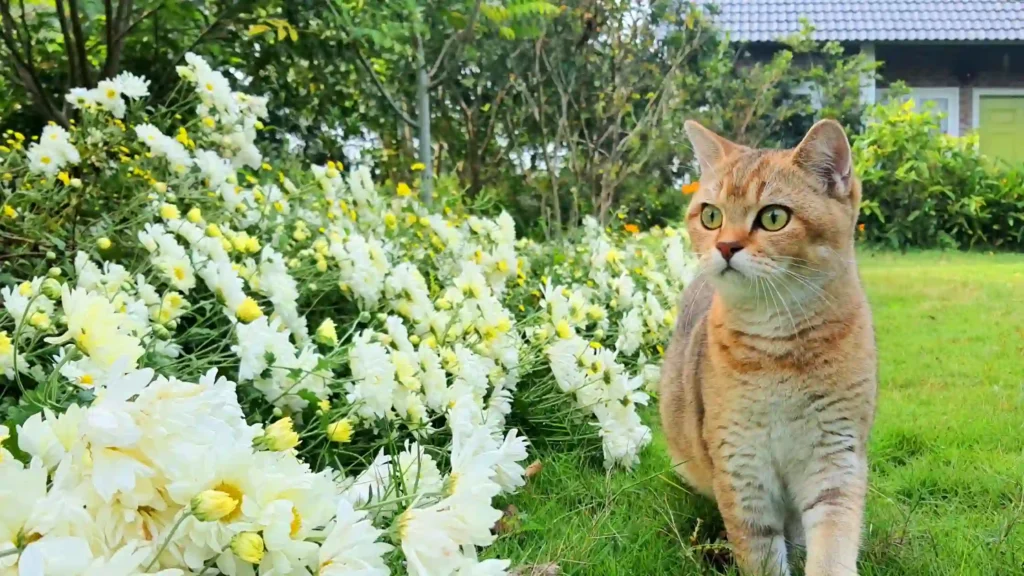
Symptoms I actually watch for in real cases.
In real clinical settings, I focus less on the plant name and more on the cat’s symptoms. If jasmine is involved, I expect mild signs at most, such as drooling, slight vomiting, or temporary lethargy. Severe symptoms are uncommon and usually point to a different toxic source. Over time, I learned to separate fear-driven reporting from actual medical indicators.
One case that stays in my mind involved a Persian cat brought in after chewing on several potted plants in a balcony garden. The owner insisted that jasmine was the cause, but the cat’s symptoms included inconsistent tremors and disorientation, which are not typical for jasmine exposure. After testing, we identified soil contamination with fertilizer as the real issue. That case reinforced how easily plant blame gets misdirected.
Jasmine-related cases I have personally seen rarely require aggressive treatment. In most situations, we provide supportive care, such as fluids and observation, until symptoms resolve. Cats recover quickly when the exposure is limited and no other toxins are involved. I have seen recovery within a single day in many mild cases.
There is a simple truth I always share with pet owners: observation matters more than panic. Cats have strong instincts to avoid harmful plants, but indoor environments can override those instincts. Keeping plants out of reach and knowing the difference between toxic and non-toxic species reduces almost all risk. Jasmine, in its true botanical form, is usually not the main threat in these situations.
After years of working around anxious pet owners and curious cats, I have learned that clarity matters more than assumptions. Jasmine is often unfairly blamed because it is common, fragrant, and found in many homes. Most of the time, the real issue lies somewhere else in the environment, not in the flowers themselves. Careful observation and correct identification usually tell the real story long before any serious treatment is needed.