
I run a small cat boarding and grooming setup out of my home, and over the years, I’ve seen more than a few cases where worms slipped under the radar until they became a real problem. It usually starts with something subtle that owners brush off, like a change in appetite or a dull coat. I’ve learned to trust those small signs because they often point to something bigger happening inside the cat’s body. Worms are one of those issues that can hide in plain sight if you are not paying attention.
The Early Signs I Notice Before Owners Do
The first thing I tend to notice is a shift in behavior. A cat that was playful suddenly seems withdrawn, or one that used to eat steadily starts hovering around the bowl but does not finish meals. These changes are easy to miss if you live with the cat every day, but from my side, where I see dozens of cats a month, the contrast stands out quickly.
Weight loss is another early clue. I remember a long-haired tabby that came in last winter looking fluffy as ever, but when I handled her during grooming, I could feel her ribs more than I should have. Her owner thought the coat just needed brushing, but the issue was deeper than that.
Then there is the litter box. I check it often. If I see loose stool, mucus, or even small white segments that look like grains of rice, my suspicion immediately goes up. Those little segments are often tapeworm pieces, and once you see them, it is hard to mistake them for anything else.
What Physical Clues Tell Me Worms Are Likely
Sometimes the signs are visible on the cat itself, not just in behavior or litter. A bloated belly is a classic one, especially in kittens. I have held kittens that looked round and healthy at first glance, but the firmness of their belly told a different story.
Coat condition also says a lot. A healthy cat usually has a smooth, slightly glossy coat, even without constant grooming. When worms are involved, I often see fur that feels dry, uneven, or clumpy, even after a proper brush session that should have restored its shine.
If I feel unsure, I often suggest owners consult resources like ” How to Know if Cats Have Worms to understand symptoms better before heading to a vet. That kind of reference helps them connect the dots faster. It also prevents delays, which can make treatment more complicated than it needs to be.
Another physical sign I look for is scooting. Not every cat does it, but when they drag their rear across the floor repeatedly, it often indicates irritation from worms. I saw this with a ginger cat a few months ago, and within a week, the vet confirmed a parasite issue.
The Differences Between Common Worm Types I’ve Seen
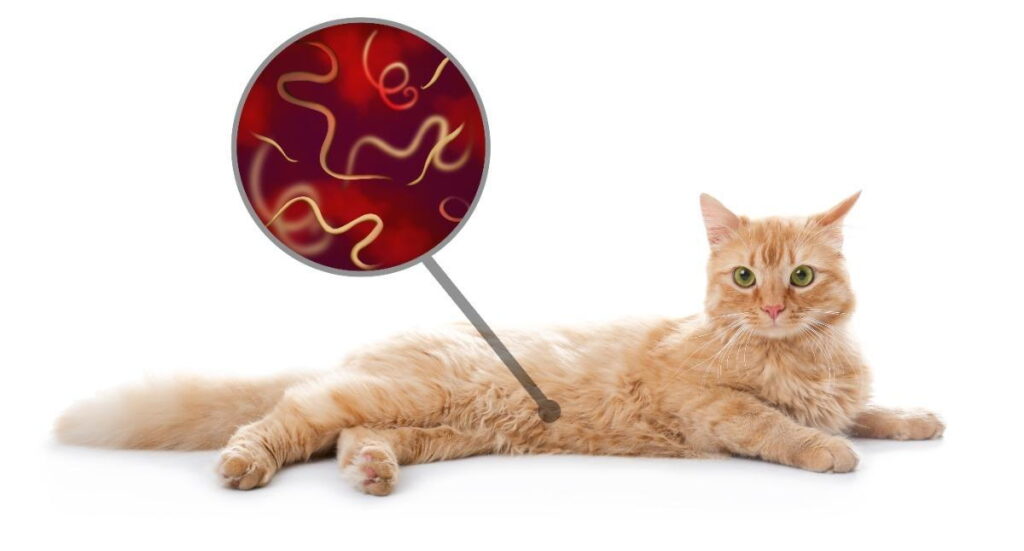
Not all worms behave the same way. Roundworms are the ones I encounter most often, especially in younger cats. They tend to cause that pot-bellied look, along with occasional vomiting, where you might actually see the worms themselves, which can be unsettling if you are not expecting it.
Tapeworms are different. They rarely cause dramatic weight loss at first, but those rice-like segments around the tail or in bedding are a giveaway. I once had a boarding cat where the owner thought it was just dried litter stuck to the fur, but it turned out to be tapeworm segments.
Hookworms are less visible but more concerning in some cases. They can lead to anemia, which I pick up on during a routine check when I notice pale gums. It is a small detail, but after years of doing this, I always take a second look if something feels off.
Each type behaves differently. That matters.
How I Confirm My Suspicion Before Suggesting a Vet Visit
I am not a veterinarian, so I do not diagnose. Still, experience has taught me how to gather enough clues to know when something is wrong. I usually start by asking the owner a few simple questions about appetite, activity, and any recent changes in the home environment.
I also pay attention to frequency. One odd stool might not mean much, but if I see the same issue over two or three days during boarding, I take it seriously. Patterns matter more than isolated events, especially with something like parasites.
If needed, I recommend bringing a stool sample to the vet. It sounds unpleasant, but it is the quickest way to confirm the presence of worms. A proper test can identify the exact type, which helps avoid guesswork in treatment.
Sometimes owners hesitate. I get that.
What I Tell Owners About Acting Quickly
I always tell people not to wait too long once they suspect worms. Treatment is usually straightforward, especially if caught early. Most deworming medications work within a few days, and I have seen cats bounce back faster than expected once the parasites are gone.
Delaying treatment can lead to complications. I remember one case where a cat lost a noticeable amount of weight over a couple of months because the signs were ignored. By the time it was addressed, recovery took longer and required more than just basic medication.
Prevention also comes up in these conversations. Regular deworming schedules, flea control, and keeping the litter box clean go a long way in reducing the chances of reinfection. It is not complicated, but it does require consistency.
Most cases are manageable. Timing makes the difference.
After years of working hands-on with cats, I have learned that worms rarely appear out of nowhere. There are always signs, even if they are easy to overlook at first. Paying attention to small changes in behavior, coat, and litter habits can save a lot of trouble later on. I trust those small signals now, and more often than not, they lead me to the right conclusion.